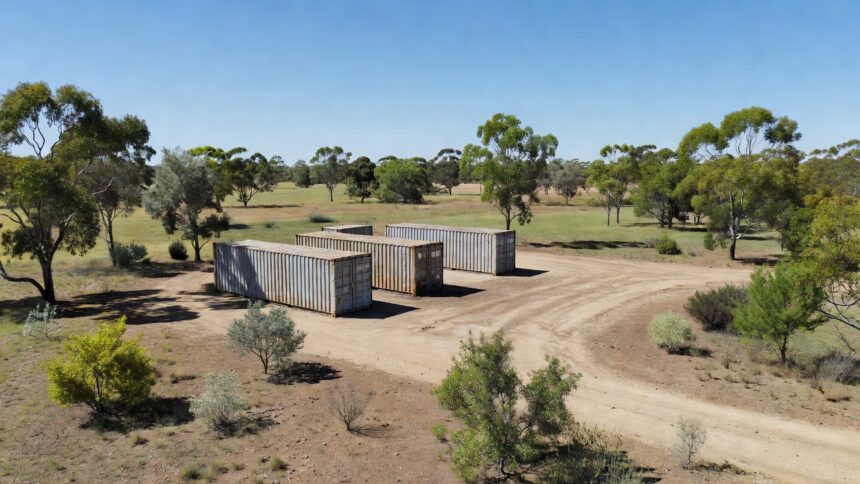
The Australian Federal Police said on June 22, 2026 that officers seized 2.7 tonnes of cocaine, the largest bust in Australian history, from an underground bunker in western Sydney on Friday. Valued at A$816 million, the drugs were found beneath false floors in shipping containers at a Londonderry property as part of an investigation that started with a 40kg find in North Queensland.
The AFP said the drugs were concealed in an underground bunker system beneath three shipping containers that featured false floors. Officers discovered the cocaine during a raid on the Londonderry property in western Sydney. The two arrested men allegedly attempted to flee from police at the scene. Both individuals have been charged with possessing a commercial quantity of an unlawfully imported border-controlled drug. If convicted, they face the possibility of life in prison, according to the AFP.
Operation Minjiang was launched by the AFP in May after 40 kilograms of cocaine was located floating in the water off a boat ramp at Midge Point in North Queensland. The agency reported that this initial find led investigators to the organised crime group responsible for ordering the larger shipment. In addition to the Sydney arrests, six other people were detained in Queensland and New South Wales on related charges. A suspected mother vessel involved in the smuggling operation has been detained in the Solomon Islands. The AFP media release noted that earlier seizures in the operation totalled 178 kilograms of cocaine and 142 kilograms of methamphetamine, bringing the operation’s overall haul to more than three tonnes.
This seizure exceeds the previous Australian record for cocaine of two tonnes that was set in November 2024. According to a drug trends bulletin citing the AFP, cocaine interceptions have reached record levels in recent years with the weight seized nationally hitting highs in 2020-21 and continuing to rise. The AFP and Australian Border Force seized 5.6 tonnes of cocaine in the 2023-24 period as part of total illicit drug seizures of 33.7 tonnes. Maritime cocaine shipments often exceed 500 kilograms each, the bulletin stated. Pacific trafficking routes have played a growing role in attempts to import the drug into Australia, AFP figures show.
AFP Commander Stephen Jay said, “the alleged plot showed how highly organised and determined these criminal networks are, and the extreme lengths they are willing to go to in pursuit of profit.” He noted that the investigation into the drugs’ origin was continuing. The AFP stated that it would collaborate with both international and domestic law enforcement partners moving forward. The commander highlighted the determination of the syndicates in the statement. The operation involved close coordination between the AFP and Queensland Police, according to official reports.
AFP Commissioner Krissy Barrett reported in May that 17 tonnes of illicit drugs, mostly cocaine, had been seized across the Pacific region since the beginning of 2026. This compares with approximately 4.6 tonnes seized in the Pacific for the whole of 2025, according to the commissioner’s statement. Barrett said that the majority of these drugs were destined for Australia. The AFP has formed partnerships with local police in the Pacific to combat the threat from organised crime. These joint efforts have contributed to the increased seizure rates observed this year.
The 2.7-tonne haul has an estimated street value of A$816 million and equates to about three million street deals, police data indicates. Authorities described the underground storage as evidence of the sophisticated tactics employed by the criminal network. Further details on the property and how the bunker was constructed were not released for operational reasons. The AFP has not disclosed the suspected country of origin for the cocaine. Investigations remain active with a focus on disrupting the entire supply chain, the agency said.