ع
ع


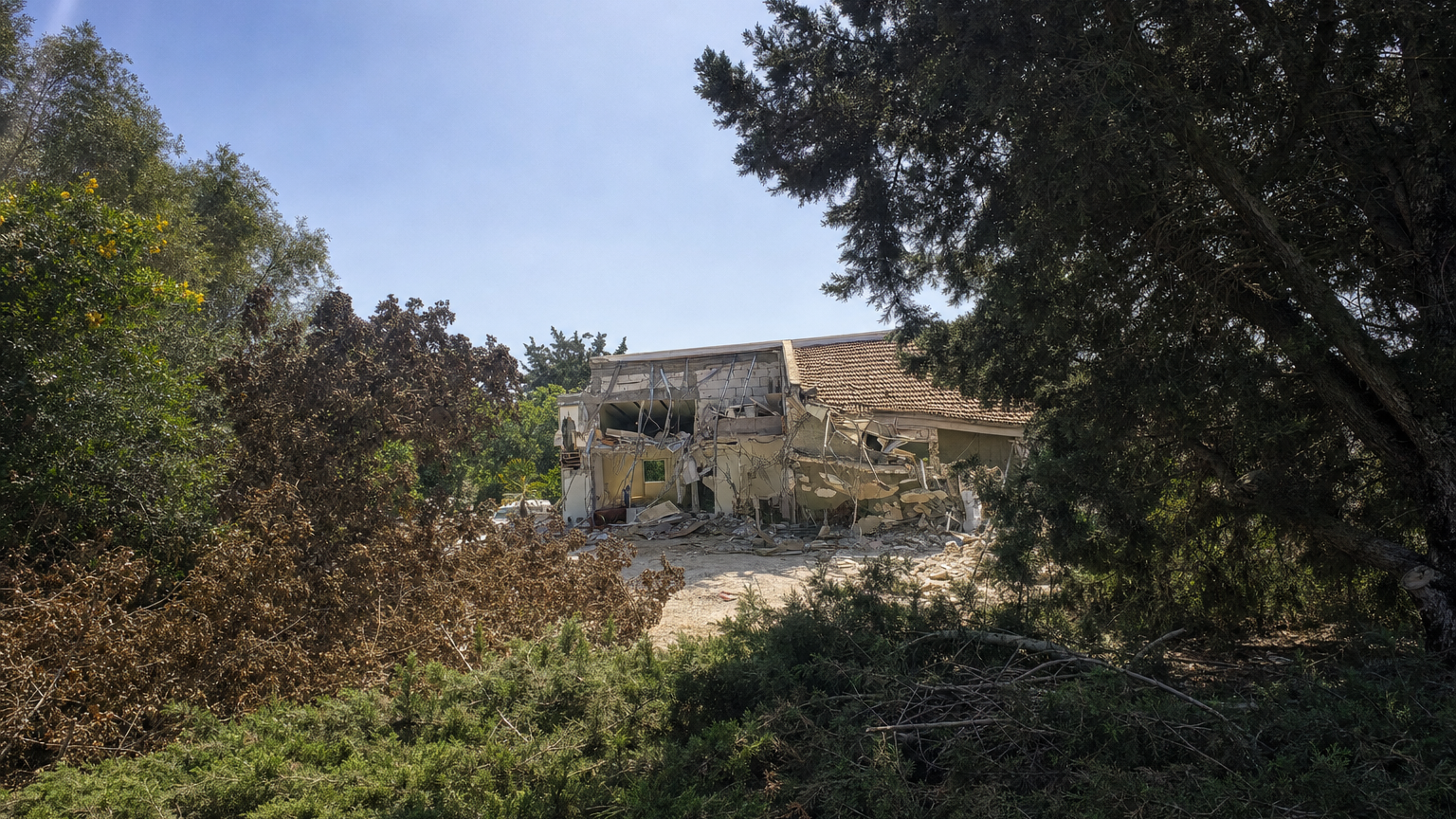
The Tkuma Directorate has committed NIS 473 million to rebuild Kibbutz Be’eri, where 102 residents were killed and 30 taken hostage in the October 7 2023 attacks that destroyed or burned 132 homes. According to the directorate, the funding covers renovation of 350 buildings and construction of an equal number of new houses to replace those lost, with most work due to conclude by March 2027. Gal Cohen, Be’eri’s secretary and a resident for more than six decades, has led tours of the sites where ruined structures have been cleared to make way for new construction while the community invests in upgraded safe rooms and smoke-removal systems to counter vulnerabilities exposed during the assault. Around 100 people have already returned to live in Be’eri even as the main wave of residents is scheduled to begin arriving at the end of December 2026 and complete the process by July 2027.
Rebuilding has also advanced at Kibbutz Nir Oz, home to roughly 400 people before the attacks. Emi Palmor, director of the Nir Oz rebuilding project, told the BBC that terrorists penetrated 97 percent of households and burned down almost 50 percent. Twenty houses have since been renovated or rebuilt, enabling a handful of former residents including released hostages Gadi Moses and Yair Horn to move back. Many bereaved families have chosen to relocate permanently, while others now living further north face up to a two-year wait before the community fully reopens.
The broader Gaza border region overseen by the Tkuma Directorate now has approximately 66,000 residents, roughly 5,000 more than before the October 7 2023 attacks and a 10 percent increase that outpaces the national average. Tkuma Directorate figures show more than 90 percent of evacuated residents have returned, joined by new families, supporting a long-term goal of doubling the regional population to 120,000 by 2033. The directorate’s multiyear plan totals NIS 17 billion, with NIS 11.6 billion committed by the end of 2025 and an additional NIS 2.8 billion allocated for 2026. Similar reconstruction budgets have been set for nearby communities, including NIS 232 million for Nir Oz.
Residents are balancing the pull of returning to rebuilt homes against the enduring trauma and security concerns that have shaped decisions since the attacks. One longtime Be’eri resident told CBN News on the third anniversary that each remembrance of those lost mixes sadness with joy as the kibbutz looks ahead. “We’ll have very beautiful agriculture everything will flourish like they say will bloom Like you see here the trees are green and it will be greener and the fruit tastier Eighty years of the State of Israel of Kibbutz Beeri it means we will stay here forever Whoever wants to remove us from here wont succeed Eighty years is only the beginning We will also celebrate 800 years and 8000 years” the resident said. Officials have worked to prevent divisions between early returnees and those still in temporary housing at locations such as Hatzerim near Beersheva.
Israeli authorities describe the reconstruction of Be’eri, Nir Oz and other hard-hit kibbutzim as both physical recovery and an assertion of resilience following the assaults that killed about 1,200 people across southern Israel. The Tkuma Directorate has noted that other communities such as Kissufim have already seen more than 96 percent of residents return as of late September 2026 while work on public buildings, clinics and infrastructure continues in tandem with housing projects. Progress at Be’eri includes plans for a new dental clinic to replace the one where five people were murdered during the initial attack.