ع



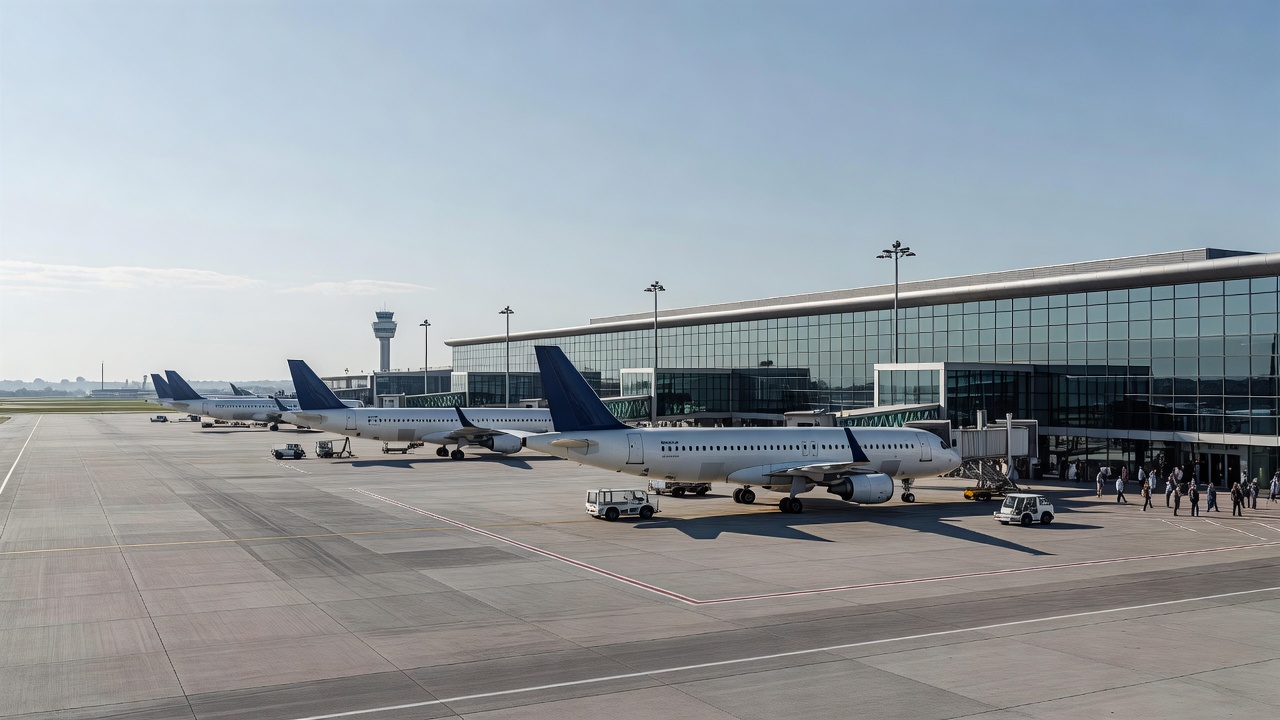
A Telegram account linked to the banned Russian group Male State has dismissed any connection to a wave of hoax bomb threats sent to airports and airlines across Europe, according to a report by the BBC Russian Service. The messages, which prompted an Aer Lingus flight bound for Rome to divert to a French military base, were among at least 18 similar alerts received on November 5 2026 with six directed at Italian carriers. Italian authorities determined all warnings were false yet the disruptions highlighted vulnerabilities in regional air traffic systems a Reuters assessment of parallel incidents found.
An email received by Italian airport operators and signed by “Fighters of the Male State” warned that an explosion would occur within 60 minutes and declared that the recipients’ sky would turn red, ANSA reported. The message added that the group’s actions would ensure the feminist regime remembered the day forever and claimed the senders would leave their mark on history, the Italian news agency detailed. ANSA identified the group as the ultranationalist and misogynistic movement known as Muzhskoye Gosudarstvo founded by Vladislav Pozdnyakov who is believed to reside abroad.
The Male State was outlawed by a Moscow court in 2021 on extremism charges yet it maintained tens of thousands of followers on Telegram channels that endorsed Russia’s full-scale invasion of Ukraine the following year, a BBC analysis indicated. A separate BBC report on hybrid threats noted that the organisation’s extreme anti-feminist ideology had previously manifested in online harassment campaigns targeting women across Russia and neighbouring states. Public statements from the group have often blended misogyny with nationalist rhetoric that aligns with certain Kremlin narratives although no direct operational ties have been proven.
Italy’s La Stampa newspaper expressed certainty that the Male State stood behind the threats and questioned whether the group functioned as an informal armed wing of the Russian regime, according to excerpts carried by the BBC. The paper argued that staging deniable attacks while issuing public disavowals formed part of a recognised Russian playbook for hybrid operations, La Stampa wrote. Such coverage reflects broader European concerns over coordinated online and physical disruptions that have intensified since the onset of heightened geopolitical tensions in 2022.
Similar hoax bomb alerts targeting polling stations in five US battleground states on election day were traced to Russian email domains although Moscow rejected any involvement, Reuters reported on November 6 2024. The FBI assessed those warnings as non-credible while a Russian official told Newsweek the accusations represented vague and unclear insinuations devoid of evidence. These parallel episodes have prompted security agencies to examine patterns of anonymous digital threats that aim to sow disruption without crossing thresholds for direct retaliation.
The Male State denial appeared in a sarcastic response to BBC Russian Service inquiries stating that the organisation had not existed for many years and comparing the query to absurdly contacting President Putin over a forged letter, the BBC reported. The channel mocked the notion of seeking comment from the group and suggested the threats could be falsely attributed to any prominent name, according to the outlet. Despite the rebuttal European investigators continue to analyse metadata from the emails for potential links to known networks associated with Russian-speaking extremist communities.
Disruptions from the November 5 alerts extended beyond Italy with airlines reporting delays and emergency protocols activated at multiple hubs, BBC correspondents observed. The incidents occurred against a backdrop of increased vigilance following a series of parcel explosions at European logistics centres earlier in the year that security officials linked to testing for larger plots, Reuters noted. Aviation industry sources have called for enhanced international information-sharing to counter the growing tactic of low-cost high-impact digital threats.