
 ع
ع


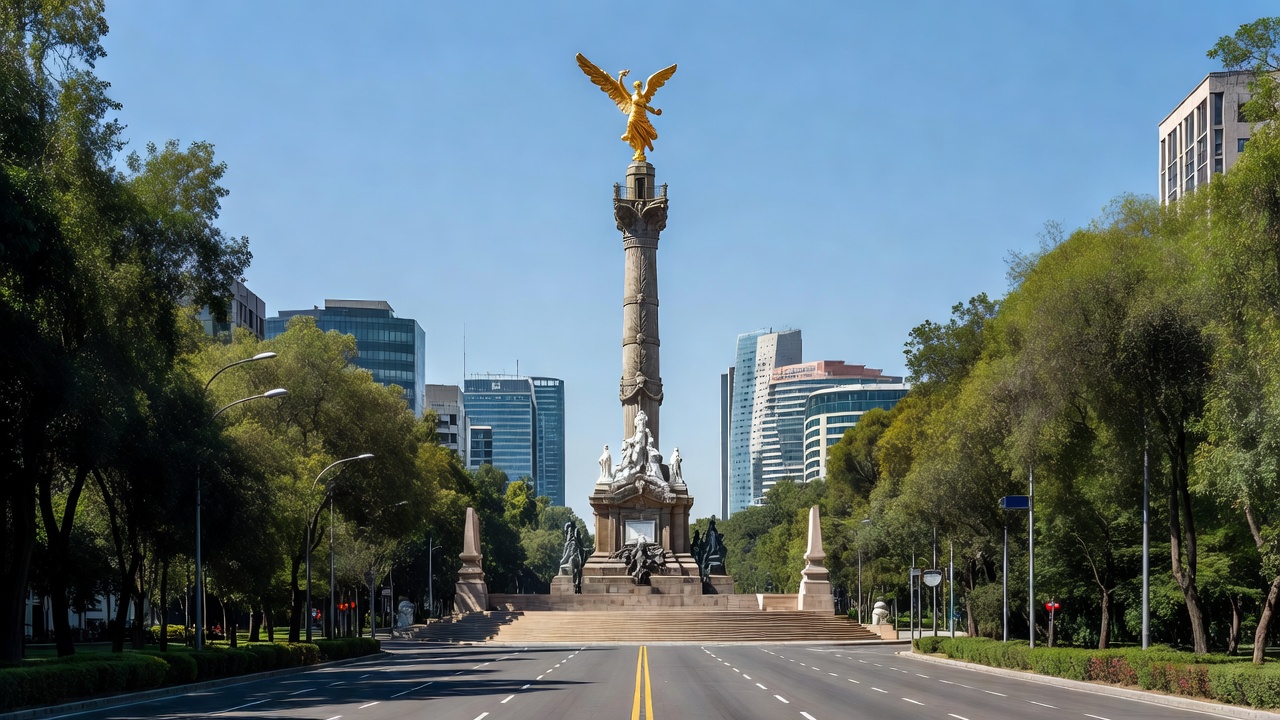
The capital’s health secretariat confirmed that a 19-year-old woman, a 48-year-old woman and a 44-year-old man all died from asphyxiation after being found unconscious at separate locations near the Angel of Independence monument and along Paseo de la Reforma. Emergency responders provided first aid and CPR techniques before transporting the individuals to hospital for further care, yet none survived, according to an official statement distributed on social media. The New York Times reported that the deaths occurred amid the surge that followed Mexico’s triumph at the Azteca Stadium, where the co-hosts advanced to the round of 16.
Mayor Clara Brugada expressed her most sincere condolences to the victims’ families and pledged municipal support in the aftermath. She stated that fans should always celebrate with responsibility, care and empathy, a message she reinforced after earlier advising residents to seek alternative sites due to anticipated overcrowding at the main landmark. Reuters coverage of the events noted that the mayor’s office had monitored preparations for the large gatherings that materialised once the match concluded.
More than one million people descended on downtown Mexico City with fireworks continuing well after the final whistle, according to estimates from the city government that multiple outlets including The Guardian cited. The celebrations marked a historic breakthrough for El Tri, which had not secured a knockout win at the World Cup since 1986, a drought ended by goals from Quiñones and Jimenez as ESPN detailed in its match report. International coverage from The Guardian highlighted how the result sends Mexico into a potential clash with England while underscoring the scale of public response in a metropolitan area of more than 20 million residents.
Mexico’s National Institute of Statistics and Geography data places the capital region’s population above 20 million, providing context for the logistical demands that such football events impose on local authorities during the 2026 tournament co-hosted with the United States and Canada. A Thomson Reuters dispatch placed the suffocation incidents specifically on Hamburgo and Lancaster Streets near the landmark, where thousands had converged. The health secretariat’s update emphasised that advanced resuscitation efforts were exhausted before the fatalities were declared.
City officials have reported no additional deaths connected to the festivities, though monitoring continues, according to statements carried by the Independent and other regional outlets. The victory over Ecuador represented Mexico’s first knockout-stage success in nine attempts at the World Cup, a milestone that FIFA-affiliated reporting described as ending four decades of early exits. Coverage from Channelstv noted that while the streets remained largely peaceful, the density illustrated ongoing challenges in crowd management at major sporting celebrations.
The health authority’s inventory listed the three cases as having been handled at distinct points in the celebration zone before hospital transfers. Mayor Brugada’s administration had pre-emptively highlighted safety concerns in pre-match communications, per accounts published by AFP. External reporting from outlets such as The Hindu on the match itself wove in the broader narrative of national pride that fuelled the turnout, without diminishing the subsequent tragedy confirmed by local officials.