
 ع
ع


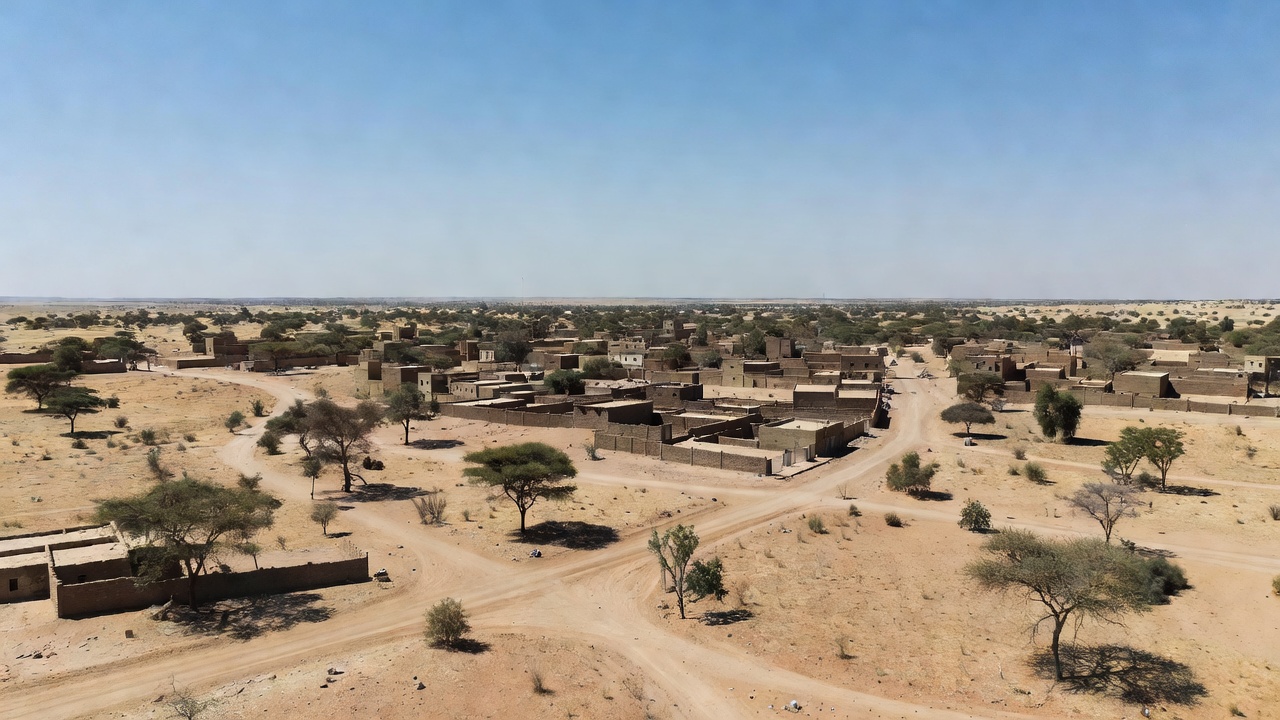
Amnesty International’s investigation drew on testimony from more than 200 survivors along with analysis of satellite imagery and 89 open-source videos to identify a pattern of violations that included murder, forcible transfer, imprisonment, torture, rape, sexual slavery, enslavement, extermination and persecution. The rights group concluded that Arab RSF fighters deliberately targeted non-Arab communities, including the Zaghawa in el-Fasher, often employing ethnic slurs such as slave or servant. Agnès Callamard, Amnesty International’s secretary general, stated that children were not collateral damage of this violence but were often deliberately targeted and have suffered immensely.
A 17-year-old survivor from the town of Abu Zerega south of el-Fasher told investigators that RSF fighters tied him up, beat him with sticks and the back of an AK-47 before shooting him in the leg, an assault that also claimed the lives of eight of his cousins including four boys aged 11 to 17. Witnesses described mass killings and widespread sexual violence with children among those abducted or forcibly recruited on a large scale. The Amnesty International assessment found that evidence from the attacks may prove relevant to determinations of genocide.
According to a February 2026 report from the UN Independent International Fact-Finding Mission for Sudan, the mass killings and related atrocities in el-Fasher bore hallmarks of genocide. Human Rights Watch has documented dozens of videos showing RSF forces carrying out extrajudicial executions and other abuses in the days immediately after the city’s fall in October 2025. The United Nations separately estimates that more than 6,000 people were killed during just three days of the final assault on el-Fasher.
The Rapid Support Forces have acknowledged that some violations occurred and stated that they are investigating those incidents while insisting the overall scale described has been exaggerated. The paramilitary group shifted its operations to Darfur after losing ground in Khartoum in March 2025, eventually seizing el-Fasher before expanding attacks into parts of Kordofan. Both the RSF and the Sudanese Armed Forces have faced repeated accusations of war crimes and crimes against humanity throughout the conflict, which each side denies.
United Nations agencies have described Sudan as the site of the world’s largest humanitarian and displacement crisis with more than 14 million people forced from their homes since fighting erupted between the army and the RSF in April 2023. World body data places nearly 28 million Sudanese at risk of acute hunger amid the violence that has killed hundreds of thousands according to various estimates. The three-year conflict has also seen sexual violence employed as a weapon of war against men, women and children on a widespread basis.
Amnesty International identified specific RSF commanders it believes bear responsibility for the violations and called for their prosecution under international law. The organization has urged an immediate ceasefire across Sudan together with the urgent deployment of an international force to protect civilians in Darfur. Human Rights Watch and UN experts have issued parallel recommendations for accountability mechanisms to address the atrocities recorded in el-Fasher and surrounding areas.