ع
ع


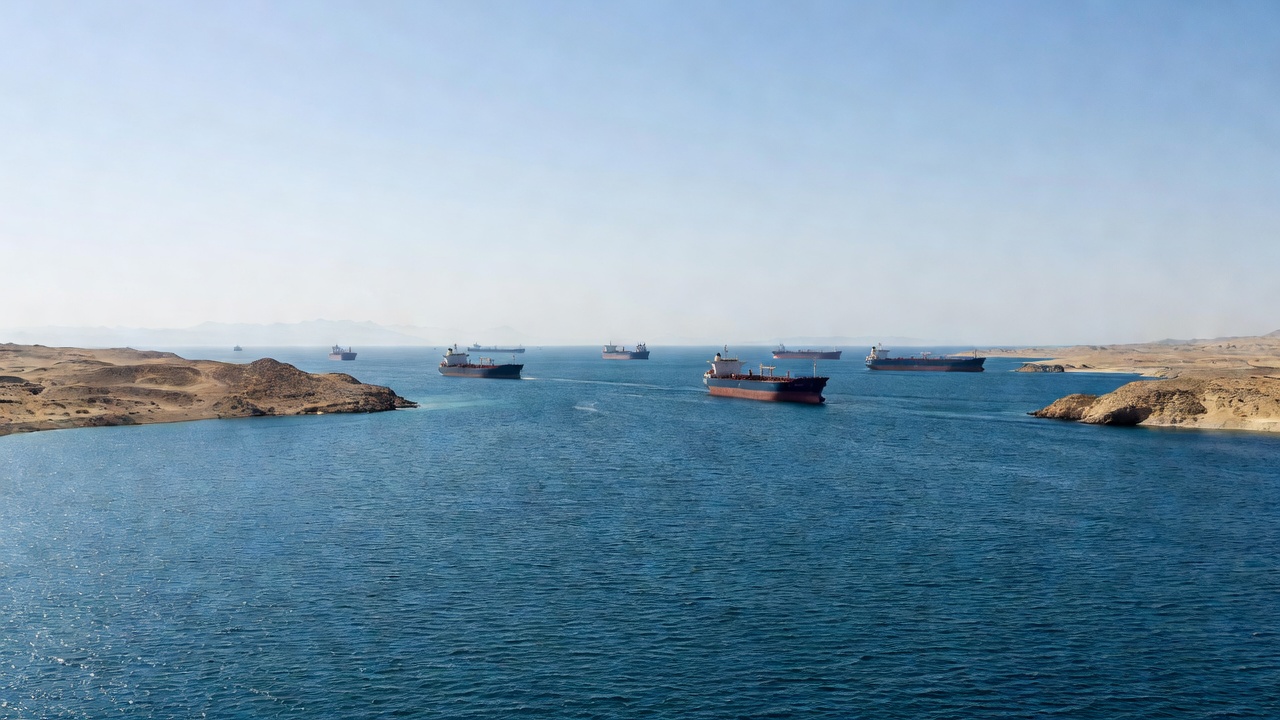
An ACAPS report issued on June 22, 2026 outlined four plausible scenarios for the US-Israel-Iran regional conflict based on input from two dozen specialists, establishing a tactical deal as the current baseline. The 14-point memorandum of understanding ensures freedom of navigation through the Strait of Hormuz linked to a comprehensive ceasefire aimed at relieving global economic pressures in the Gulf. According to the assessment, this narrow pact addresses immediate issues from the war but fails to tackle underlying causes, leaving the situation vulnerable to future disruption.
The ACAPS analysis assigned medium-high likelihood to a no war no peace scenario in which the US and Iran repeatedly extend the ceasefire without achieving a lasting settlement. Both parties would sustain the appearance of diplomatic movement while sidestepping concrete concessions, resulting in a stable yet brittle limbo according to the report. This outcome could endure for months but collapse quickly if incentives shift, the assessment found.
A re-escalation scenario received medium likelihood in the ACAPS report, with direct US or Israeli clashes against Iran likely resuming alongside heightened exchanges in Lebanon and possible Houthi disruptions in the Red Sea. The assessment noted that a second round of fighting would prove more difficult to contain because the Islamic Revolutionary Guard Corps holds stronger motives to strike directly while Gulf states have displayed vulnerability to Iranian attacks. Such developments could amplify regional fallout including threats to energy infrastructure, the report stated.
A Council on Foreign Relations article from July 2026 framed President Donald Trump’s choices as three unattractive options encompassing dramatic escalation through renewed high-intensity strikes, conciliatory de-escalation or continuation of the existing messy stalemate in the Strait of Hormuz. Michael Koplow of the Israel Policy Forum said in related coverage, “It almost seems inevitable to me that President Trump is going to dial back whatever his more maximalist vision is and settle for something less.” The analysis indicated that absent breakthroughs the stalemate stands a strong chance of persisting through the end of 2026.
Andreas Krieg, a Middle East security expert at King’s College London, told Newsweek that a protracted conflict remains the most probable path featuring stalemate punctuated by occasional violence. Krieg explained that Iran finds itself trapped between the need for an agreement and the belief it retains leverage to improve terms while Washington confronts the identical dilemma. This dynamic has narrowed the conflict into a more maritime and economic form without bringing it closer to resolution according to the expert.
A Stimson Center report published on June 16, 2026 by Kelly A. Grieco positioned the memorandum of understanding as the best choice among bad worse and catastrophic alternatives available to Washington. Grieco wrote that additional bombing would not have broken Tehran since Iran endured airstrikes on a scale twice that of the 2003 Shock and Awe campaign without capitulating. The assessment concluded that the deal despite falling short of stated war aims prevented worse outcomes including severe Iranian retaliation and a global economic crisis.
The New York Times reported on June 21, 2026 that neither the war nor the subsequent deal eliminated Iran’s primary threats with its nuclear program damaged yet not dismantled and its regime intact under new leadership. Paul Salem a Middle East analyst speaking at the Center for Strategic and International Studies in Washington said, “I’m skeptical that much progress will be made on the nuclear issue now that the U.S. has removed the main leverage that it has.” This perspective highlights how core disputes over missiles and proxies were deferred leaving the potential for renewed confrontation.