ع



A discussion about brain health does not have to begin with a laboratory or a diagnosis. It can begin with sleep, movement, learning and the environments in which people spend their day.
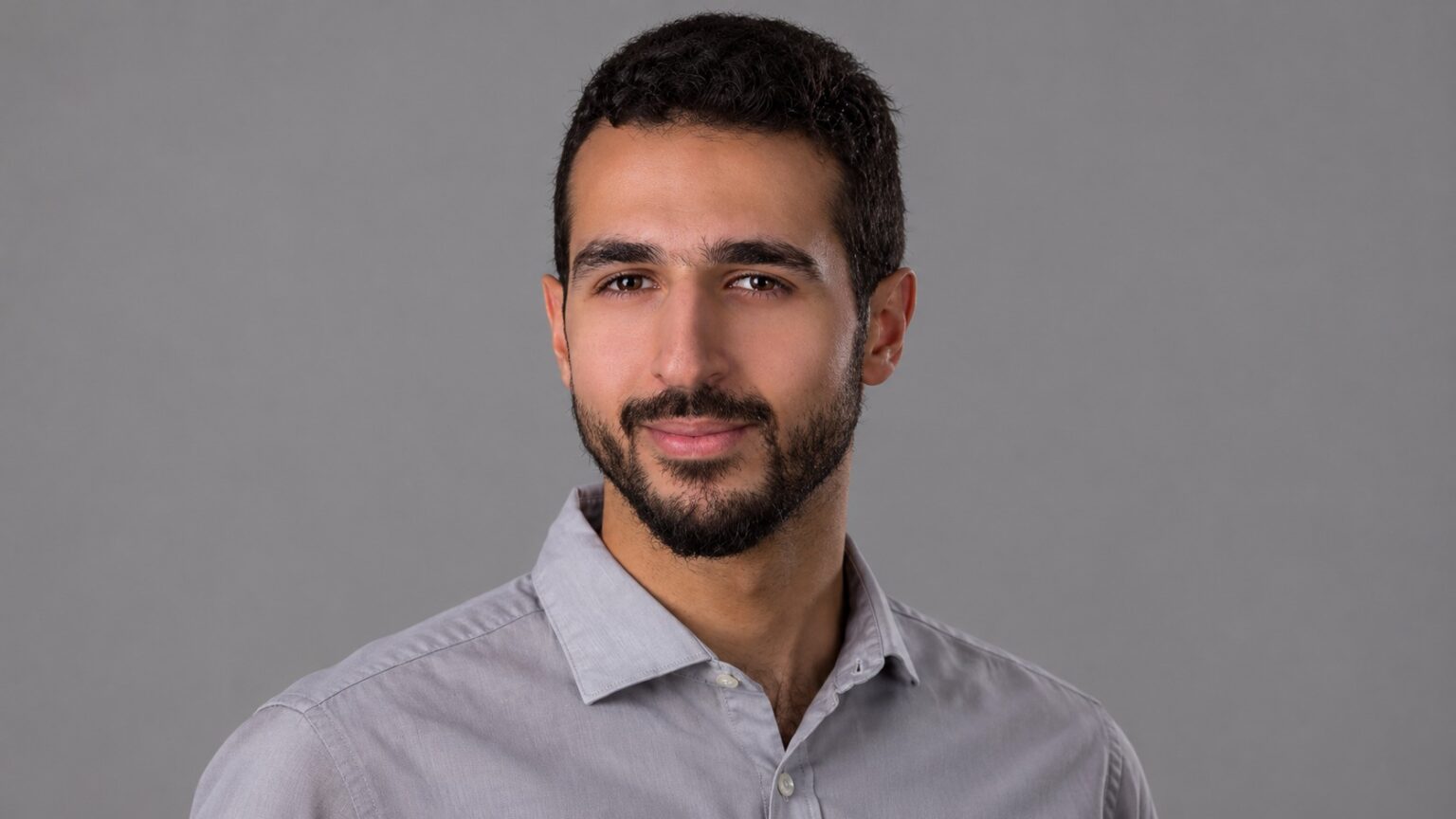
Those everyday subjects appear in Abdullah B AlKhlaifah’s public-facing educational content. His profile identifies him as a PhD candidate, while posts address topics such as biological rhythms, time outdoors and places to walk in Kuwait.
The accessible language provides a starting point for a wider subject: how to explain brain health without reducing it to a single habit or a dramatic promise.
An educational route into the subject
An earlier Middle East Psychological Association speaker biography records AlKhlaifah’s studies in psychology and mental health, including a master’s degree at the University of Edinburgh.
His current public profile lists additional postgraduate study and describes his doctoral work as ongoing. That distinction matters: being a PhD candidate is not the same as having completed the degree.
His public content can be understood as education and discussion. It should not be treated as evidence of a clinical licence or as a replacement for an individual assessment.
Brain health has more than one influence
The World Health Organization’s brain-health framework describes several connected influences, including physical health, a healthy environment, safety and security, learning and social connection, and access to services.
That broader view helps put everyday advice in proportion. A person’s circumstances cannot be explained by motivation or a single lifestyle choice alone.
WHO also identifies benefits of regular physical activity for brain health and sleep. Those findings support a public conversation about movement, but they do not justify promising that a walk will resolve a particular person’s symptoms.
The useful task for an educator is to make such distinctions understandable without making the subject unnecessarily complicated.
Making information relevant in Kuwait
A post about where to walk in Kuwait translates an abstract subject into a recognisable local setting. A discussion about the body clock gives an everyday experience a scientific vocabulary.
That local relevance can help an audience engage with information it might otherwise regard as distant or technical.
The challenge is to preserve the boundaries of what a post can establish. General information can explain a concept or prompt a useful question; it cannot account for every reader’s health, circumstances or needs.
AlKhlaifah’s public work offers an opening for that conversation. By placing familiar activities alongside questions about the brain, his content brings a technical subject into settings that readers can recognise in their own day.