ع



The Alaska Division of Elections has reported that a full picture of voter preferences in the Senate contest will not emerge until at least November 18 when the final batch of eligible mail ballots is expected to arrive. Incumbent Republican Dan Sullivan and challenger Mary Peltola remained locked in a close race a week after polls closed on November 5 with the outcome potentially turning on how later absentee votes break. Democrats had already regained control of both chambers of Congress in the 2026 midterms the BBC reported reducing the national stakes of the Alaska result while underscoring the state’s distinctive counting timeline.
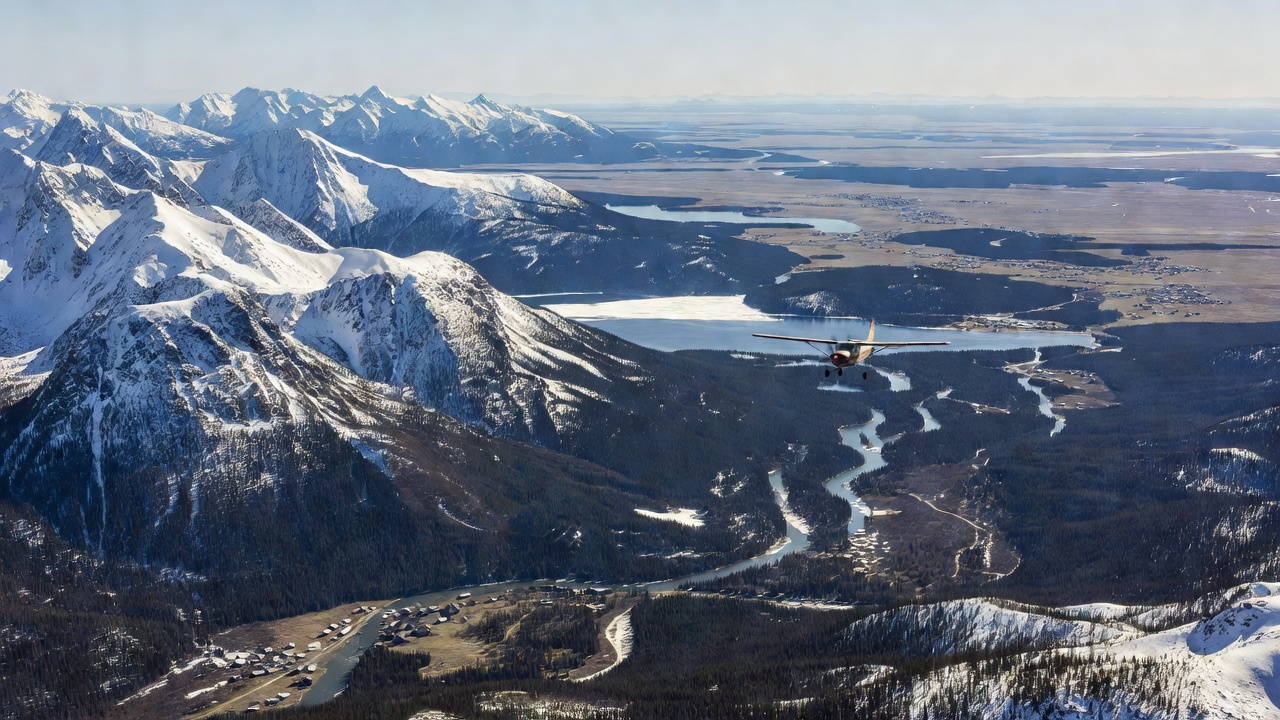
Alaska spans more than 586000 square miles with roughly 600000 registered voters scattered across terrain twice the size of Texas according to a CNN review of state demographics. Many rural communities lack road connections forcing ballots to travel by plane or boat to the capital in Juneau for centralised scanning a logistical reality the Votebeat election reporting service identified as the core driver of delays. Regional airlines have played a direct role in ferrying election materials alongside routine cargo with one carrier noting the complexity of covering thousands of miles in a state larger than most countries.
Mail ballots postmarked by Election Day may continue arriving for 10 days domestically and 15 days from overseas under rules the Massachusetts Institute of Technology election expert Charles Stewart said reflect a deliberate choice to favour completeness. These absentee and questioned ballots typically account for about 25 percent of total votes cast according to data compiled by former state elections officials in an Institute for Political Innovation brief. The Division of Elections has processed incoming materials in batches releasing updated first choice totals periodically while withholding full ranked choice tabulation until the acceptance window closes.
Ranked choice voting requires officials to eliminate candidates who finish last and redistribute preferences until one contender exceeds 50 percent a step the University of Alaska political scientist explained only begins after all ballots are in. This procedure has extended the schedule in close races but historical records from the Anchorage Daily News demonstrate that even under the prior system competitive Senate contests often required eight to 15 days for final calls. In 2008 and 2010 for example outcomes were not settled until mid November despite the absence of ranked choice tabulation.
The state maintains 131 precincts that rely on hand counting particularly in remote western and interior areas a factor a former Alaska elections director cited when describing the job as uniquely challenging given the geography. Past cycles have shown similar patterns with the 2024 general election reaching 95 percent counted only after 10 days according to MIT Election Lab analysis of national returns. Officials have emphasised that the timeline has remained consistent across election cycles and is not altered by ranked choice itself as confirmed in statements from retired division supervisors.
Third Way researchers noted that Alaska has long ranked among the slowest states for reporting results a pattern amplified in tight races where overseas and military ballots add further variables. The Division of Elections has conducted its tabulations with public livestreams to allow independent verification of the cast vote record. Any final certification is scheduled for November 25 though legal reviews of specific ballots could push that date later if disputes arise.