ع



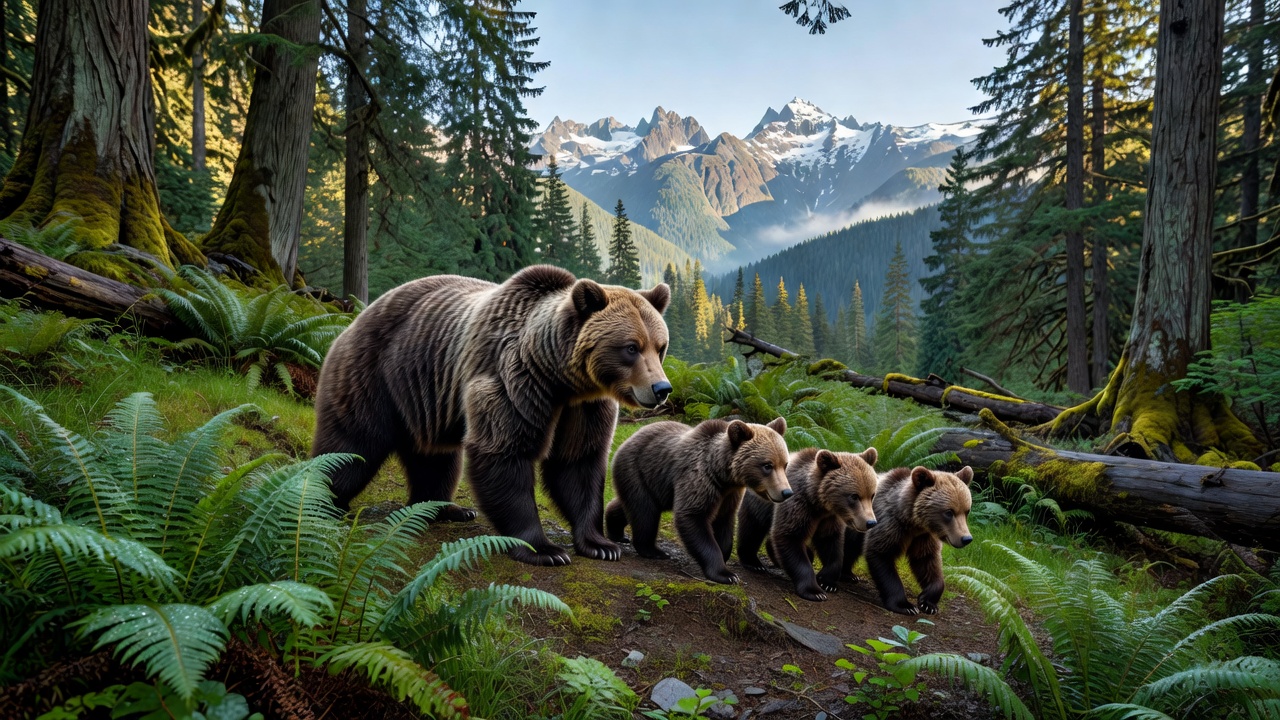
The British Columbia Conservation Officer Service announced on November 10, 2026, that DNA testing had conclusively identified a female grizzly bear and her three cubs as responsible for the deaths of 48-year-old Jenny Balcarras and 20-year-old Selah Reed. Inspector Jeff Tyre described the incident as likely involving predatory behaviour, which he said is very rare. All four bears were euthanized in line with provincial protocols to safeguard the public following the fatal encounter.
Searchers discovered the women’s remains about 150 metres apart close to a trail in the Bella Coola area, with one found in a location used by bears to cache food. The pair had gone for a hike on October 31 but did not return, prompting a missing persons report the next day when Reed failed to make a routine call to her sister. The Conservation Officer Service deployed more than a dozen officers to investigate amid difficult terrain and weather over the past week.
Tyre stated that bears involved in fatal attacks on people cannot be rehabilitated or relocated because they present an extreme risk. “Our investigation also found that this attack likely involved predatory behavior, which I can tell you is very rare,” he told an online briefing. The agency added that the efforts of responders may bring some closure to the affected families and community.
The four bears were confirmed through DNA not to have been involved in a grizzly bear attack on a school group in the same region in November 2025 that left 11 people injured. This separate incident had heightened local awareness of bear activity in the Bella Coola Valley. Officials emphasised the distinction to alleviate concerns that the same animal remained at large.
The victims were described by family as inseparable, with Balcarras’ brother Josh telling CBC that the mother and daughter were “two peas in a pod” who shared many hobbies including hiking and the outdoors. Balcarras worked as an art therapist in the Nuxalk Nation community, which has been deeply impacted by the tragedy and has implemented additional safety measures such as school escorts. Counselling services have been offered to residents in the remote area located approximately 1,000 kilometres north of Vancouver.
Provincial estimates place the grizzly bear population in British Columbia between 10,000 and 13,000 animals, creating ample opportunity for encounters in wilderness zones. A Lakehead University thesis examining fatal bear attacks across Canada from 1990 to 2023 concluded that such fatalities have stayed relatively stable over the decades despite varying levels of human activity in bear habitats. Predatory attacks remain uncommon compared to defensive encounters when bears feel threatened.
In response to the event, conservation officers have reviewed the circumstances in accordance with human-wildlife conflict guidelines. The Nuxalk Nation and local authorities continue to provide support to the victims’ relatives and the wider community. Further analysis of the response is expected to inform future practices in the region.