ع



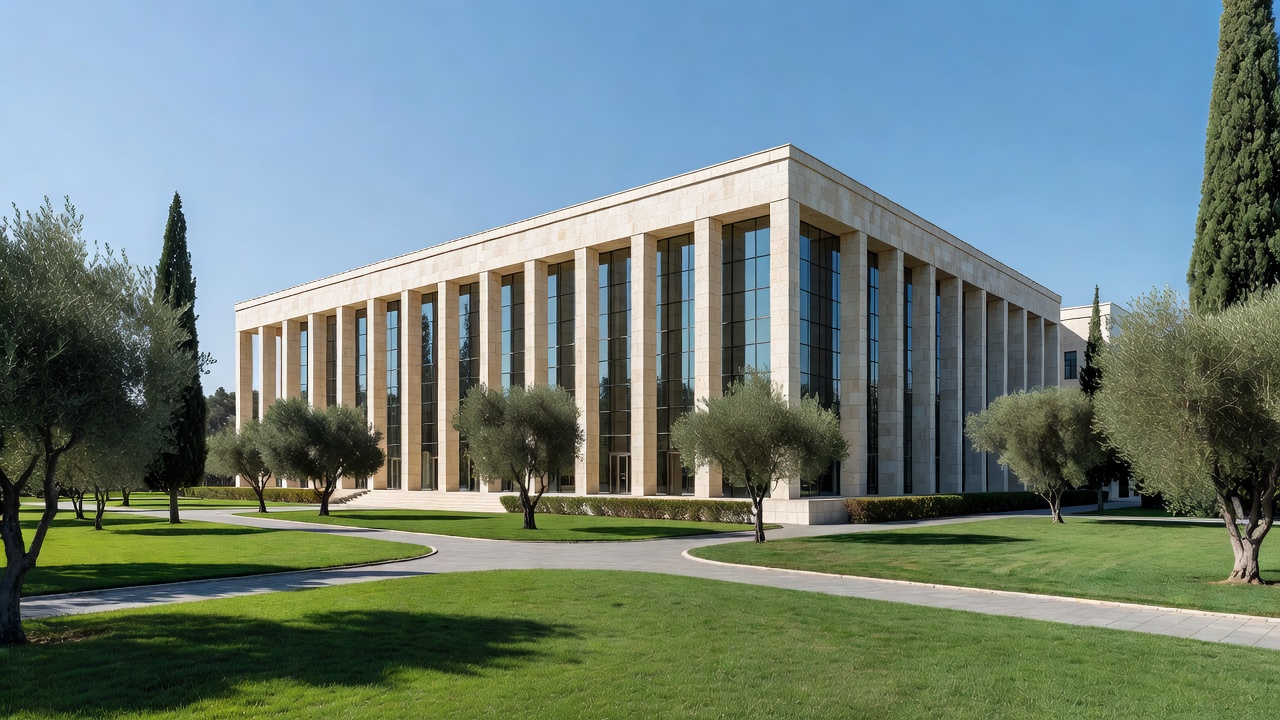
The 26th Knesset convened for its inaugural session on November 10 as President Isaac Herzog’s consultations with party leaders led to the assignment of government formation duties to opposition leader Gadi Eisenkot four days earlier. Eisenkot’s Yashar party secured 21 seats within a 48-seat anti-Netanyahu bloc while Prime Minister Benjamin Netanyahu’s Likud took 27 seats as part of a 53-seat right-wing alliance according to final tallies published by the Central Elections Committee. Arab-led parties achieved a record 19 seats with the Joint List winning 11 and Ra’am taking eight a development that could prove pivotal though both Jewish-led blocs have expressed reservations about partnering with them. The Central Elections Committee figures show overall voter turnout reached 77.98 percent the highest level in more than two decades with more than 5.7 million ballots cast.
Netanyahu’s bloc fell eight seats short of a majority while Eisenkot’s group required additional support to reach the 61-seat threshold Reuters reported in its analysis of the results. The election held on October 27 took place against the backdrop of prolonged regional conflicts including tensions with Iran and ongoing security challenges in Gaza and Lebanon a congressional research service assessment noted. Israeli media including The Times of Israel detailed how the outcome reflected losses for several parties from the previous parliament with Netanyahu’s allies shedding seats compared to their 2022 performance. Election officials dismissed allegations of widespread fraud raised by Netanyahu’s camp stating there was no evidence of systematic irregularities according to accounts from the Associated Press.
Market reactions reflected uncertainty over the political impasse with the shekel weakening more than 2 percent and the Tel Aviv benchmark index declining around 2.5 percent in trading after initial projections emerged Reuters data shows. Analysts cited in Reuters coverage attributed the asset moves to erased expectations of swift governmental change that had briefly buoyed markets prior to the vote. The deadlock prolongs a period of caretaker governance for Netanyahu even as the new parliament begins its work potentially extending into early 2027 if coalition talks fail to produce an agreement. President Herzog urged party representatives to approach negotiations with flexibility to prevent another round of elections The Times of Israel reported from his statements during consultations.
Eisenkot now holds an initial 28-day mandate with a possible 14-day extension to assemble a coalition that could involve power-sharing arrangements or external support from smaller factions according to procedures outlined by the Library of Congress in its review of the electoral process. Previous minority governments in Israel have relied on abstentions or outside backing rather than full partnerships a precedent that may apply here though several parties have ruled out cooperating with Arab lists. The congressional assessment highlighted potential implications for Israel’s relations with the United States and its regional posture given the overlapping conflicts that preceded the vote. Negotiations remain fluid with no immediate resolution in sight as the newly sworn-in members take their seats.
Arab parties’ strong showing marked a significant shift with their combined 19 seats representing the largest total for such lists in Knesset history AP News coverage indicated. This outcome stemmed from exceptionally high participation among Arab voters who cited concerns over discrimination and policy priorities in their communities. Yet longstanding reservations among Jewish parties about including Arab factions in governing coalitions complicate pathways to a stable majority The Times of Israel analysis found. Officials certified the results on November 4 before transmitting them to Herzog’s office setting the stage for the current talks.
The fragmented outcome underscores the challenges of Israel’s proportional representation system in which multiple parties must align to reach a governing threshold Reuters noted in its post-election reporting. Smaller parties such as Yisrael Beiteinu with seven seats and the Democrats with eight could hold leverage in any unity arrangement though ideological differences persist across the spectrum. With the Knesset now formally seated attention turns to whether Eisenkot can bridge divides or if the process reverts to Netanyahu as caretaker amid possible new elections early next year. Turnout and seat distribution data from the Central Elections Committee confirmed the absence of any single bloc dominance.