ع



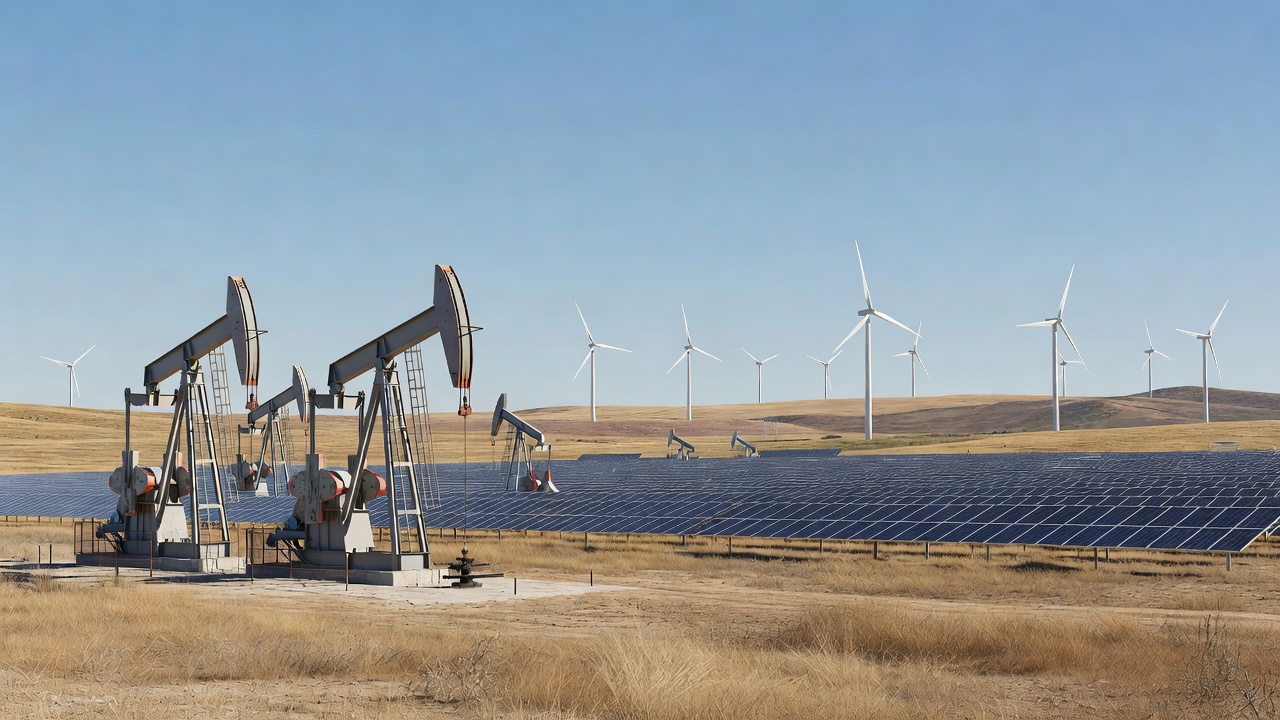
The United States has expanded its role as the top global supplier of crude oil, refined fuels and liquefied natural gas, delivering profits to domestic producers while shielding consumers somewhat from the worst of the 2026 energy shock compared with Asian economies, a Reuters commentary reported in late October. China has cemented its lead in renewable manufacturing, dominating production of solar panels, electric vehicles and the critical minerals essential for batteries, with International Energy Agency data showing the country accounting for the largest share of global energy demand growth even as its rate slowed to 1.7 percent last year. Russia has benefited from elevated oil prices following disruptions in the Strait of Hormuz, finding new markets for its exports in Asia despite sanctions and using energy supplies in diplomatic efforts, according to a November analysis from Columbia University’s Center on Global Energy Policy.
Disruptions from the Iran conflict that closed the Strait of Hormuz in February sent Brent crude above 120 dollars per barrel at peaks and kept it hovering near 100 dollars, Reuters figures show, with gasoline prices in the United States climbing above 4.60 dollars a gallon in May and diesel reaching a record 6.50 dollars a gallon in September. The resulting squeeze on global refining capacity has rippled through to higher costs for transportation and industry, an Energy Innovation study released in October found, projecting that federal policy changes and market shifts will add 920 billion dollars in cumulative energy expenses for US households through 2040. In Europe, industrial electricity prices averaged 226 dollars per megawatt-hour in Germany last year against 110 dollars in the United States and 89 dollars in China, bne IntelliNews data indicated, widening competitive gaps for energy-intensive manufacturing.
The International Energy Agency’s Global Energy Review 2026, published this week, reported that all major fuels grew in 2025 but renewables contributed the largest share of demand growth for the first time on record, with low-emissions sources making up nearly 60 percent of the increase as global energy demand rose 1.3 percent. Annual renewable capacity additions hit a record 800 gigawatts in 2025, of which solar accounted for 75 percent, and the IEA’s Renewables 2026 forecast sees almost 4,800 gigawatts added globally from 2026 to 2031, a 60 percent increase over the previous six years. Emerging and developing economies outside China are now set to match advanced economies in new renewable installations for the first time, driven by energy security concerns sharpened by the Hormuz crisis.
Global energy investment is projected to reach 3.4 trillion dollars in 2026, according to the International Energy Agency’s World Energy Investment report, with clean technologies including renewables, nuclear, grids and efficiency attracting 2.2 trillion dollars compared with 1.2 trillion dollars for oil, gas and coal. Solar investments alone are expected to total 365 billion dollars this year, while battery storage spending has surged above 65 billion dollars and nuclear outlays have exceeded 80 billion dollars annually with 80 gigawatts of new capacity under construction across 15 countries. The IEA noted that the Middle East conflict has reinforced a focus on resilience and diversification, prompting faster deployment of renewables across India, Southeast Asia, Africa and the Middle East.
China’s dominance in clean energy supply chains has allowed it to secure Russian gas at prices around 24.55 dollars per megawatt-hour this year, far below European levels that reached 327 dollars per megawatt-hour in the United Kingdom in 2025, bne IntelliNews reported. The United States, while commanding record production levels, has seen domestic political pressure mount over fuel costs, with the war in Iran contributing to gasoline increases of more than 40 percent and diesel rises nearing 70 percent since February, a New York Times analysis stated in early November. These dynamics have highlighted the limits of supply dominance in controlling end-user prices for internationally traded commodities.
The International Energy Agency expects oil demand growth to slow to 0.7 percent in 2025, well below the 1.4 million barrels per day average annual rise seen from 2010 to 2019, as electric vehicle adoption curbs road transport needs and petrochemical growth moderates in China. OPEC+ has held production targets steady for December at 31.01 million barrels per day for key members despite the market turbulence, with Brent crude settling near 110 dollars per barrel in early November according to market reports. Such decisions continue to influence refining margins and pump prices, though taxes, distribution costs and local policies determine much of the final bill faced by consumers in different regions.