ع



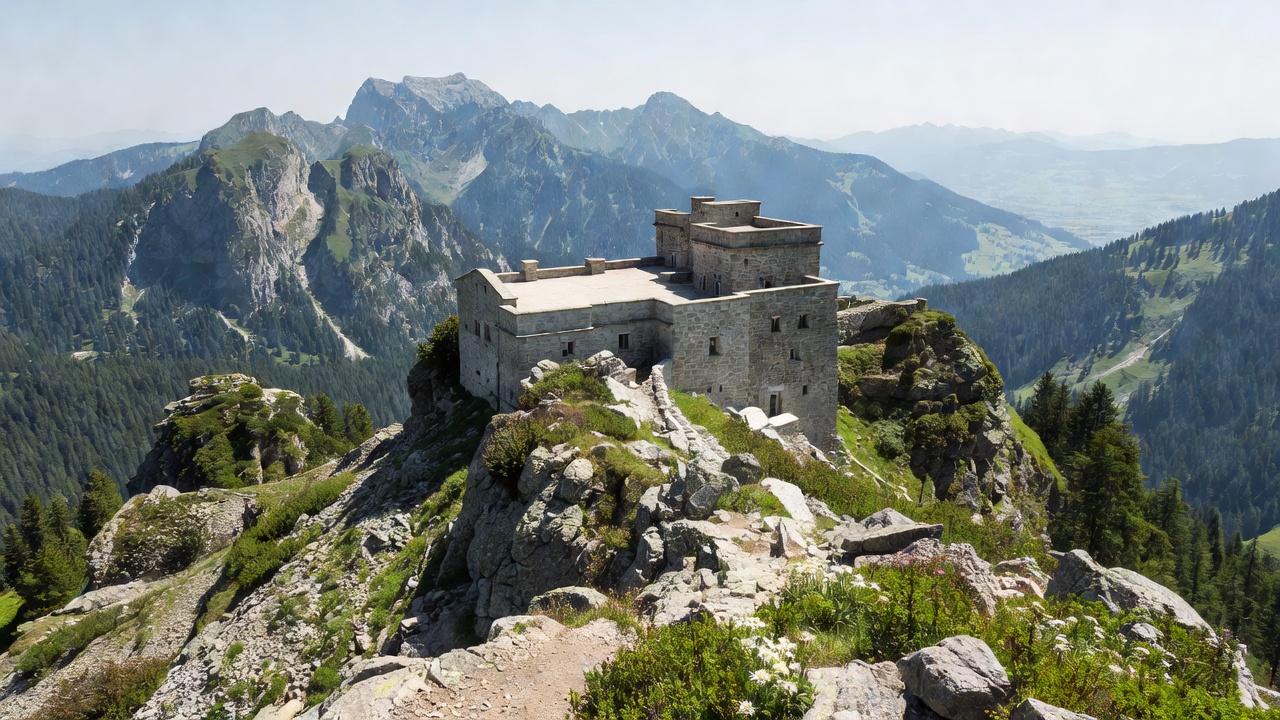
Bavarian interior minister Joachim Herrmann has argued authorities cannot simply leave a ruin at the mountaintop location, citing the need for a sensible resolution that advances remembrance work. Culture minister Markus Blume responded by establishing a commission of specialists in heritage conservation, building practices and Holocaust education to guide decisions on the site’s future. The fire on October 23, suspected to be arson and followed by a brief arrest, largely gutted the building that had operated as a restaurant and tourist draw for decades, according to reports from multiple news outlets.
As Germans wrestle with what to do with Hitler’s destroyed Eagle’s Nest retreat, experts have voiced contrasting assessments of the risks involved. Sven Keller, director of the nearby Obersalzberg Documentation Centre, told journalists that an untouched ruin might lure neo-Nazi pilgrims who could access the isolated spot without interference, especially amid the far-right’s recent electoral gains. Historian Sir Richard Evans countered that the destruction offers an opportunity to clear debris and restore the mountain to its natural condition rather than attempt any reconstruction.
The Kehlsteinhaus drew roughly 350,000 visitors annually prior to the blaze, with revenues channeled to charitable causes in the Berchtesgaden region, regional tourism records show. Commissioned by Martin Bormann in 1937 and finished the following year at considerable expense, the structure served primarily for diplomatic receptions although Adolf Hitler made only about 14 documented visits. It survived the 1952 demolition of most other Obersalzberg Nazi buildings, which authorities had ordered to prevent the area from becoming a site of extremist pilgrimage, according to historical analyses from the period.
The current debate fits a pattern of German deliberations over Nazi relics, seen previously in Nuremberg’s rally grounds where partial preservation supports education and in Braunau am Inn where Hitler’s birthplace faces ongoing discussion about appropriate use. Jens-Christian Wagner, director of the Buchenwald memorial, stated that replicas strip original structures of their evidential power and amount to fabricated history. Contemporary history professor Isabel Heinemann at Ludwig-Maximilians-Universität in Munich reiterated that Germany carries an everlasting responsibility to communicate and confront its Nazi legacy, a point reinforced across recent academic commentary.
Police have sealed the cordoned area and intend to airlift scaffolding and barriers by helicopter to safeguard the remains from vandalism or squatting until a decision emerges. The expert commission’s input is expected to weigh options from partial rebuilding to conversion into an expanded documentation facility that incorporates the fire’s own layer of history. Bavarian state representatives have indicated the final approach must honor the site’s ties to the Nazi regime while mitigating any potential for misuse by extremist groups.