ع



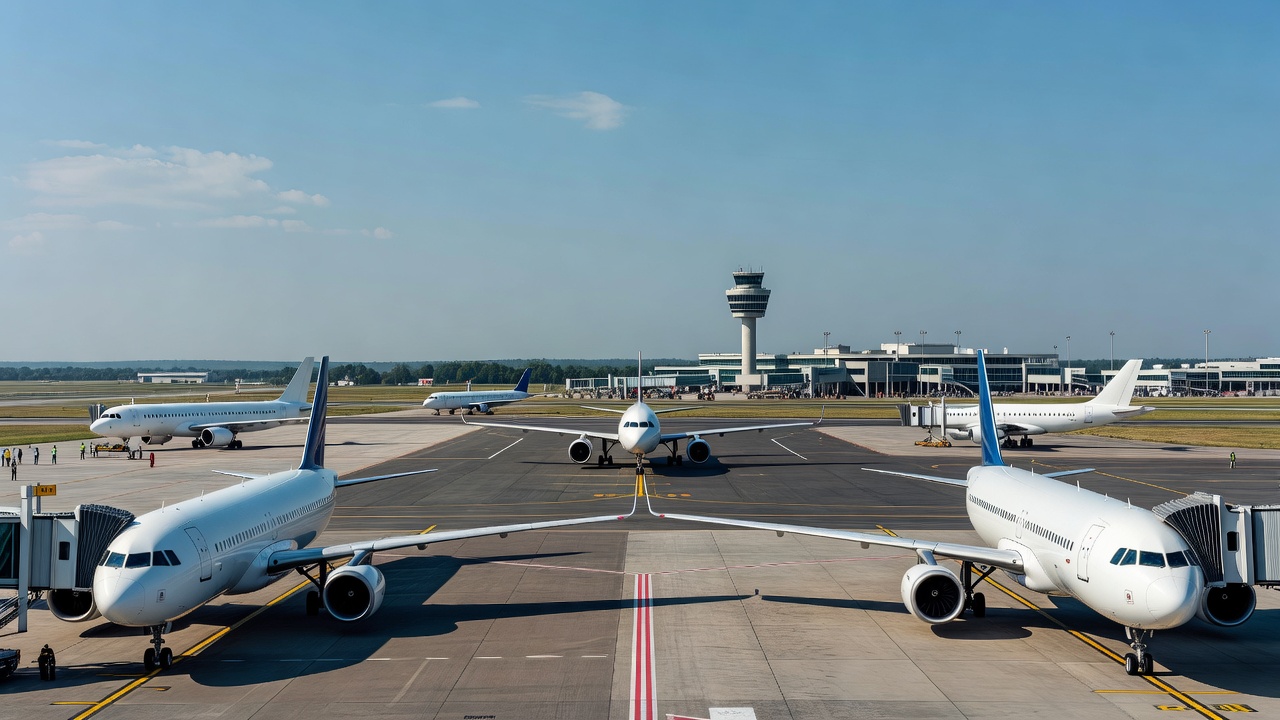
UK Transport Secretary Heidi Alexander described Thursday’s incidents as malicious hoax threats, with at least 21 flights disrupted across the continent in what authorities assessed as non-credible alerts. The events affected aircraft bound for Austria, Belgium, Bulgaria, the Czech Republic, France, Italy, Poland and Romania, according to a series of updates from airlines and governments. An Aer Lingus flight from Dublin to Rome was diverted to a French military air base at Evreux where it was met by emergency services, while Italian fighter jets escorted a Finnair plane from Helsinki to Rome. EasyJet reported two of its flights from the UK were met by Czech police upon landing in Prague as a precautionary step, with all searches proving negative.
Bulgaria’s air force escorted three Ryanair flights heading to Sofia, two of which landed in the capital after originating from Copenhagen and Madrid while the third from London Stansted was rerouted to Plovdiv, the interior ministry said. Spanish authorities received three emailed threats in quick succession involving flights at Madrid, leading to ground inspections of Air Europa and Iberia aircraft with nothing found, Guardia Civil officials reported. A group calling itself the Fighters of the Male State sent messages containing misogynistic language claiming responsibility for some of the Rome and Sofia alerts, an AFP review of the emails showed. London Heathrow and Birmingham airports also received threats overnight that were quickly dismissed as hoaxes by UK police.
The latest wave follows a similar series of alerts on November 3 that impacted seven flights, including two from the UK, with diversions to Warsaw’s secondary airport and fighter jet escorts into Rome but again no explosives located, The Guardian reported. A Wizz Air flight from London Luton to Sofia had been diverted to Budapest on November 2 after an in-flight threat, adding to three days of disruptions that have affected more than 30 flights in total this week. Ryanair appeared to be among the most targeted carriers with at least seven flights hit across the incidents, according to tallies compiled by aviation tracking services. No clear connection has been established between the events though European police forces are sharing information on the origins of the threats.
All affected planes landed safely and searches by bomb disposal teams found no dangerous items, multiple national authorities including those in Italy, France, Bulgaria and the Czech Republic confirmed in coordinated statements. The UK Department for Transport noted that such malicious hoaxes are handled through well-tested aviation security protocols, with specialist investigators from the Metropolitan Police involved in assessing the Heathrow and Birmingham cases. In Prague, police evaluated the credibility of threats against four incoming flights as low before allowing normal operations to resume after passenger disembarkation and inspections. The incidents caused delays and temporary closures at some airports but did not result in any injuries.
Eurocontrol data places the number of scheduled flights across Europe on a typical day at more than 25,000, meaning the hoax alerts represented a small fraction of overall traffic despite the high-profile response they triggered. Several countries affected this week, including Poland, Romania and Denmark, have previously accused Russia of orchestrating hybrid attacks aimed at destabilising infrastructure, a pattern noted in assessments by The Guardian and other outlets although no such link has been confirmed here. Germany has attributed an August incident at Leipzig airport to Russian actors, adding to broader concerns about low-cost, deniable disruptions. Aviation security analysts have pointed to the potential for such campaigns to test response times and impose financial costs on carriers and airports.
The repeated nature of the threats this week has renewed focus on vulnerabilities in European airspace coordination, with fighter jet scrambles in France, Italy and Bulgaria demonstrating the speed of military involvement when alerts are received mid-flight. Industry sources indicated that each diversion and search generates significant operational expenses, from fuel burn on extended routes to passenger rebooking and lost airport slot time. Authorities continue to investigate the source of the emails and calls, which in some cases referenced specific flight numbers and timelines, but have urged the public not to be alarmed given the consistent outcome of the probes. Further updates are expected as forensic analysis of the communications progresses across borders.