ع



Audio recordings published by El Pais and other Spanish outlets captured exchanges between drivers and the Atocha control centre that preceded a high-speed rear-end collision on October 28. The files show a controller instructing the driver of Renfe AVE train 2080 to reset its LZB system and then proceed under backup BSL signalling at normal speed. El Pais reported that the order violated protocol because the line ahead had not been confirmed clear of the Iryo train some 25 kilometres forward, which should have required the slower “on sight” mode at a maximum of 40 kilometres per hour. The AVE had accelerated to a significant speed by the time it struck the stationary Iryo at around 8:54 a.m. near Urda in Toledo province.
The Iryo driver operating train 6076 first contacted the centre at 8:41 a.m. to report a loss of transmission while running under BSL and confirmed the service was stopped at the Urda entry signal. In a follow-up call at 8:48 a.m. the same driver stated that the train would not permit resetting the LZB system and therefore remained stationary. The controller acknowledged the update but issued no alert to the AVE driver coming from behind, according to the recordings obtained by El Pais and Cadena SER.
El Pais detailed that the primary audio between the centre and the AVE driver lasted more than five minutes and began with hesitation from the operator before ending in a clear directive to resume normal running. Both parties then summarised the instructions to confirm mutual understanding, the newspaper reported. Government assessments cited across Spanish media identified this as the root error since the Iryo had not advanced the required 30 kilometres to eliminate collision risk.
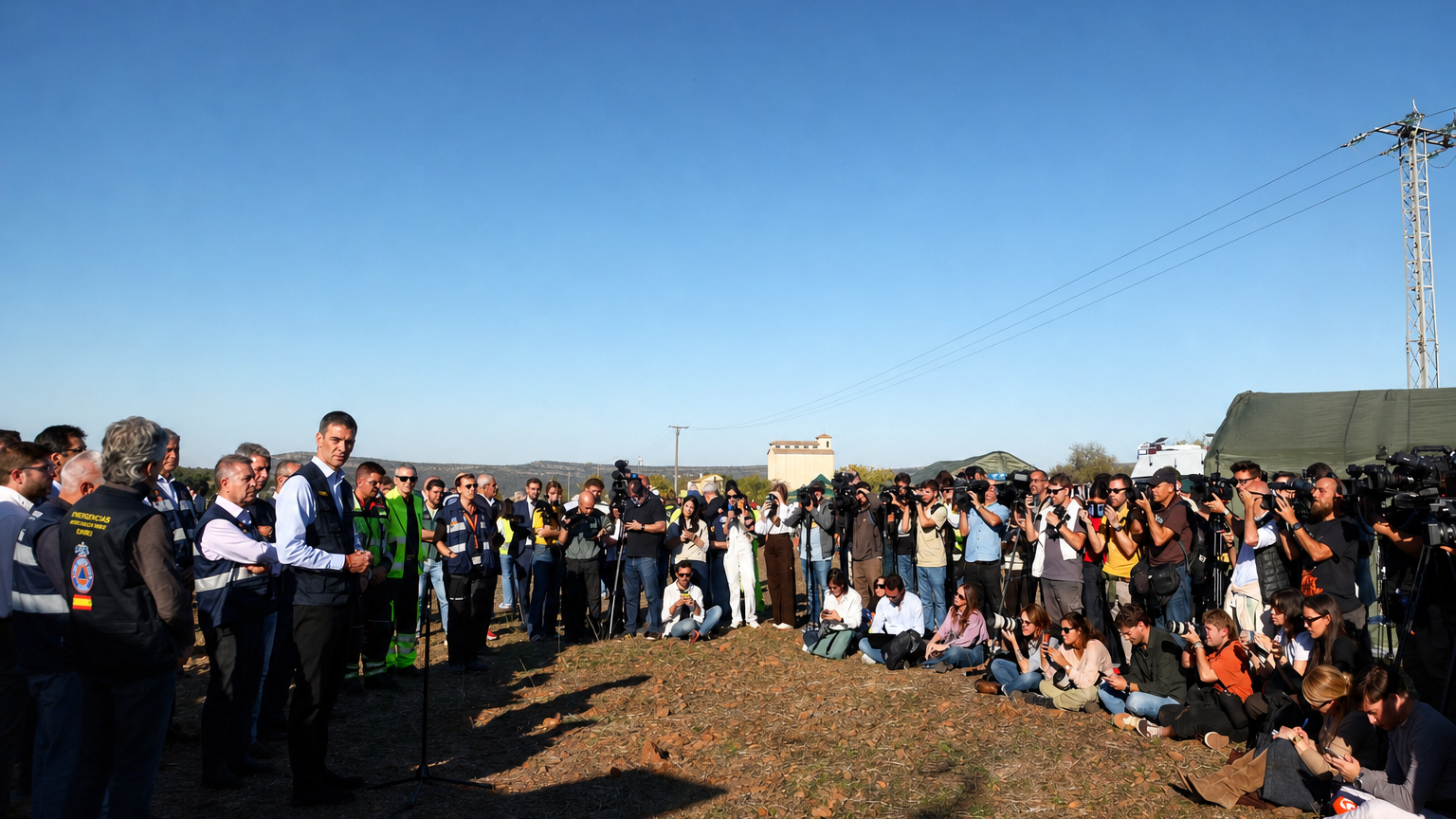
The crash occurred on the Madrid-Seville high-speed corridor about 140 kilometres south of the capital after an initial LZB signalling failure that halted multiple trains and shifted operations to manual control from Atocha. At least 68 people died and scores more were injured in the impact, figures that multiple outlets including RTVE and ARA have carried from official briefings. Rescue efforts involved coordinated teams working through chaotic scenes at the remote site well into the evening.
ADIF, the public company managing Spanish rail infrastructure, has opened an internal investigation while the transport minister has pledged a broader independent probe into the sequence of events. El Pais noted that the controller was supported by a supervisor and assistant during the exchanges yet the normal-speed authorisation was still issued without full verification. The incident has drawn renewed attention to backup procedures on one of Europe’s most extensive high-speed networks.
Spain’s rail safety framework had recorded few fatal accidents on high-speed lines in the years prior to this collision, according to data from the European Union Agency for Railways. The 2013 Santiago de Compostela derailment that killed 80 remains the benchmark for recent reforms in driver protocols and signalling oversight. Those changes now face fresh examination as investigators analyse the released audios and control-centre decision-making on October 28.