ع



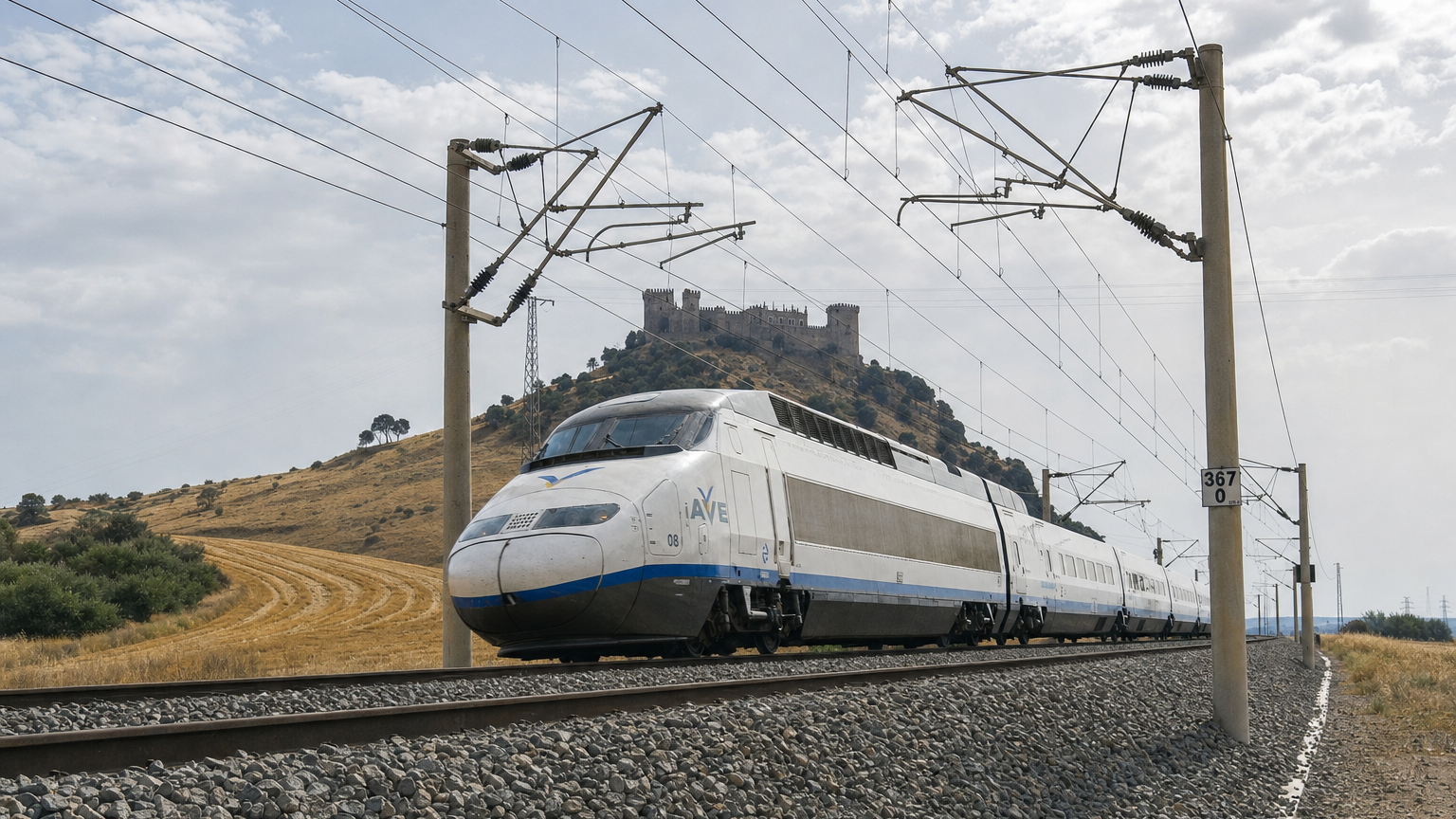
Castilla-La Mancha regional authorities raised the confirmed death toll from 10 to 30 on Wednesday following the collision of a Renfe AVE train and an Iryo service on the high-speed line linking Madrid with Seville. Emergency responders from multiple regions including Castilla-Leon, Madrid, Andalusia and Navarre converged on the site near Urda where at least two carriages derailed and fell down an embankment. The regional government spokeswoman Esther Padilla stated that the number of fatalities would almost certainly increase as search efforts continued through the afternoon.
Reuters reported that the rear-end collision took place shortly after 9 a.m. local time between Los Yébenes and Urda in Toledo province, prompting the immediate suspension of all high-speed services on the corridor. A Renfe spokesman described the incident as one train striking another that had been stopped on the tracks while crews began collecting data from onboard recording systems. The New York Times noted that the crash echoed a similar January incident on the same line involving the same operators that killed 46 people and triggered questions over rail maintenance investment.
The Guardian placed the total number of people aboard both trains at 544, with 397 passengers on the Renfe AVE service and 146 plus an infant on the Iryo train. Local media cited government sources suggesting human error may have played a role though a full investigation by rail authorities and technical experts remained underway. Emergency units including the Military Emergency Unit assisted in treating survivors and recovering victims from the wreckage strewn across the embankment.
What we know so far about the deadly Spain train crash includes its occurrence on Spain’s largest high-speed network in Europe which The Guardian reported carried 25 million passengers in 2024 and ranks second only to China’s system worldwide. Eurostat data cited in regional coverage shows that while Germany and Poland record higher absolute numbers of rail incidents Spain has experienced some of the continent’s most severe accidents in recent decades. The 2013 Angrois derailment near Santiago de Compostela that killed 80 remains the benchmark for national rail disasters according to the same figures.
Spanish Prime Minister Pedro Sanchez expressed shock at the scale of the Toledo accident and conveyed solidarity with victims and their families while canceling all official engagements for the day. The opposition People’s Party similarly suspended election events in response to the tragedy. Railway Gazette International reported that investigators had launched a formal probe into the second fatal high-speed collision on the Madrid-Andalusia corridor this year with early attention focused on possible track or signaling factors.
The January Adamuz crash which also involved a derailment and subsequent impact between Renfe and Iryo trains had already prompted a national debate on infrastructure upkeep according to Reuters correspondents. In that earlier event bodies were located significant distances from the point of collision underscoring the forces involved at high velocities. Authorities have yet to release any preliminary findings on Wednesday’s cause as operations to clear the line and support affected families continue.