ع



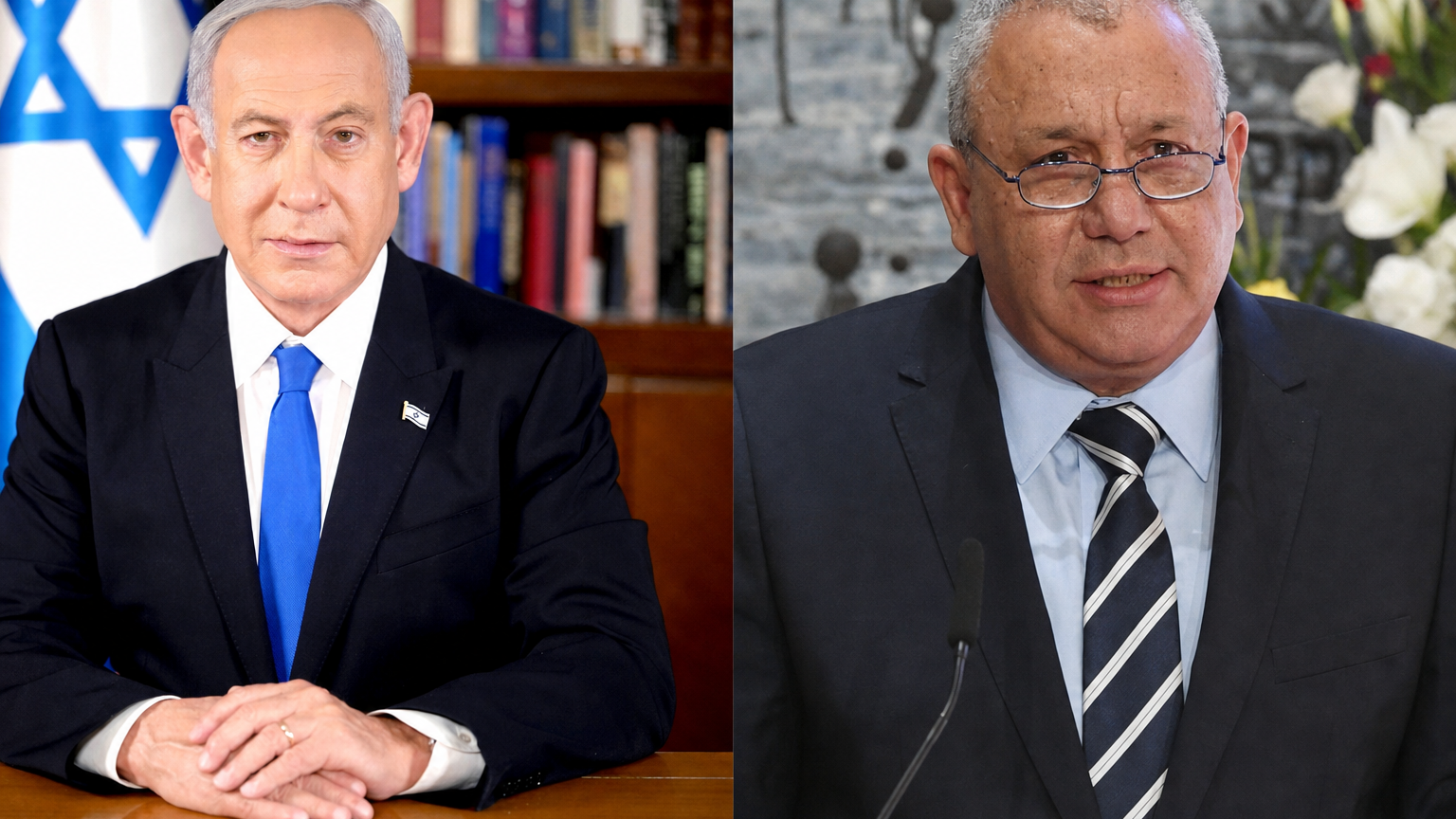
The parliamentary vote has been framed as a referendum on Netanyahu’s nearly two decades in power and his government’s response to the October 7 2023 assault that killed 1,139 people in Israel and led to a war in Gaza now entering its fourth year. Recent polling placed Eisenkot’s newly formed Yashar party and its center-right allies slightly ahead with a projected 52 seats against 50 for Netanyahu’s religious-nationalist coalition according to multiple surveys cited by CNN and EL PAÍS though both fell short of the 61 seats required for a majority in the 120-seat Knesset. Coalition bargaining is expected to drag on for weeks with smaller parties including Arab-led groups potentially determining the next government despite public rejections of such partnerships from the main blocs.
Gaza has been devastated by the conflict with the United Nations placing the Palestinian death toll at approximately 75,000 including both civilians and fighters a figure referenced across analyses from The Soufan Center and Al Jazeera. The territory’s reconstruction remains stalled as both leading political camps insist that Hamas must first be fully disarmed before any Israeli withdrawal from the enclave. A Washington Institute panel of analysts noted that this shared precondition points to policy continuity on Gaza regardless of whether Netanyahu retains power or an opposition coalition takes over.
International repercussions from the war have eroded Israel’s global standing with more than 150 countries now recognizing a Palestinian state including Britain France and Canada according to a DT Next assessment. A March 2026 Pew Research Center poll found 60 percent of US adults held an unfavorable view of Israel while a plurality of Americans now sympathize more with Palestinians than Israelis. The International Court of Justice has heard credible accusations of genocide against Israel and global public opinion has shifted markedly with nearly 40 percent of American Jews believing Israel committed genocide in Gaza the DT Next report added.
Israeli commentator Ari Shavit captured the paradox by stating “We won the Middle East but we lost the world” in remarks highlighted by DT Next as Netanyahu’s approach strengthened ties with some Arab states yet triggered widespread condemnation and sanctions on Israeli settlers and officials from Western nations. An opposition victory led by Eisenkot could ease tensions with the United States and Europe by curbing the most flagrant settler violence in the West Bank and showing greater responsiveness to regional initiatives a possibility discussed in CNN and Foreign Affairs analyses. Yet core positions on Palestinian statehood and settlement expansion show broad consensus across Jewish Israeli parties limiting prospects for major change.
Policy toward Iran is also unlikely to shift significantly with both blocs viewing Tehran as the primary threat and favoring military pressure over diplomacy according to an Al-Monitor review of regional expert commentary. The election occurs against the backdrop of recent Israeli strikes on Iranian targets and ongoing tensions involving Hezbollah in Lebanon and Houthi activities in the Red Sea. Eisenkot who rose to prominence as a critic of Netanyahu’s security lapses has pledged a tougher approach to enforcing law against violent settlers but maintains the demand for Hamas disarmament before Gaza reconstruction can advance.
Domestic issues including judicial reforms cost-of-living concerns and exemptions for ultra-Orthodox military service have also featured in the campaign alongside the security failures associated with October 7. A European Council on Foreign Relations assessment warned that even a government without Netanyahu’s far-right partners would face the same unresolved questions of who rebuilds Gaza and how to prevent renewed violence in the West Bank. With final results still pending and coalition talks ahead the election’s full impact on Gaza and Israel’s place in the wider world will only become clear in the coming months.