ع



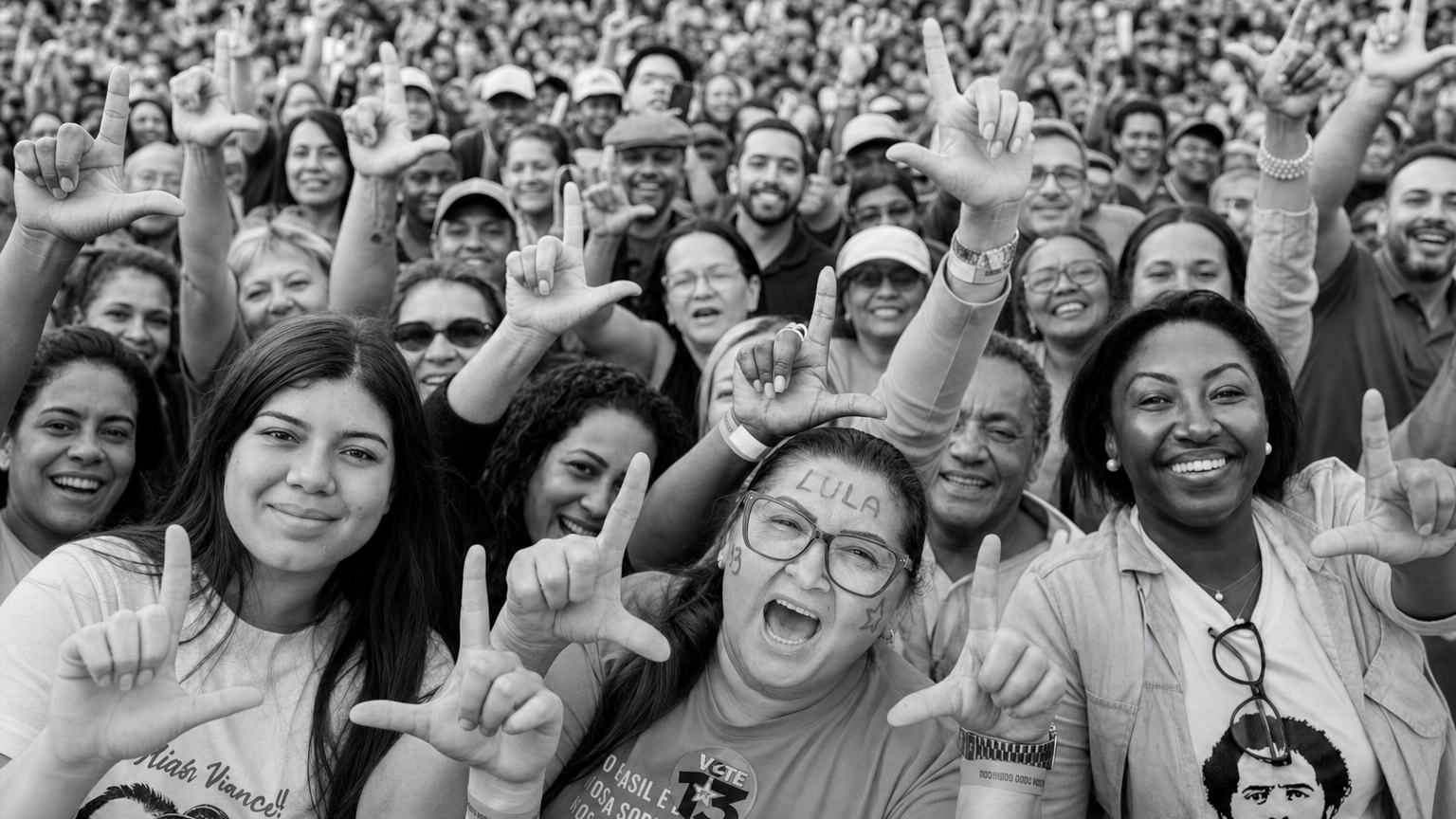
Daily missions dispatched through the channel directed supporters to share videos, amplify specific hashtags and engage in family groups as well as comment sections, tactics that built on methods first refined during the 2022 campaign, according to a report by Valor International. Federal Deputy André Janones, who administers the broadcast list, positioned himself as a digital general issuing urgent instructions that transformed passive followers into active participants. The effort gained additional visibility after a Superior Electoral Court order temporarily suspended the channel at the request of the Bolsonaro campaign before its reinstatement, an episode that itself accelerated subscriber growth.
A preliminary investigation by the Superior Electoral Court found no evidence of the specific false claims about social programs and pensions that Flávio Bolsonaro’s team had denounced in the channel’s content, BBC reporting detailed. The court assessment did note a coordinated approach employing militaristic and polarizing language that framed the contest in confrontational terms. Janones has rejected accusations of disinformation, stressing that the channel focused on legitimate mobilization in a country where citizens average more than four hours daily on social platforms.
The channel’s subscriber numbers surged from roughly 55,000 on October 5 to 3.3 million within six days and ultimately surpassed 10 million ahead of the runoff, multiple outlets including O Tempo and Emol reported. This expansion outstripped the rival Tropa do Flávio channel, which attracted approximately 2 million users under Deputy Nikolas Ferreira. The rapid scaling occurred after the first round in which Flávio Bolsonaro held a lead of about 2.2 million votes and abstention stood at 21 percent, conditions the Lula campaign sought to reverse through both digital and street-level organizing.
The strategy drew on experience from the 2022 election when the Lula Institute coordinated around 100,000 volunteers across WhatsApp groups using a layered model in which core messages cascaded from small circles to wider networks, an approach detailed in a 2024 Estadão investigation. That earlier operation, conceived by then-institute president Paulo Okamotto with input from advisers familiar with Bernie Sanders campaigns, aimed to counter organized conservative messaging. Continuity between the two cycles helped the 2026 channel evolve from a modest list into one of Brazil’s largest WhatsApp broadcast services.
Consultancy data from Bites indicated that Flávio Bolsonaro began the year with a 76 percent edge in online interactions, a disparity that narrowed markedly as Lula’s digital operation intensified during the three-week runoff period. Analysts cited by R7 observed that such channels excel at energizing existing bases and shaping daily news cycles rather than directly converting undecided voters. Lula himself appeared in a video circulated on the channel, describing the network as essential to building what he termed the largest democratic army in the world.
Official results released by the Superior Electoral Court showed Lula securing 51.76 percent of the valid votes to Flávio Bolsonaro’s 48.24 percent on October 25, marking the first time since the end of military rule that a candidate who placed second in the opening round went on to win the presidency. The outcome underscored the platform’s influence in an electorate where WhatsApp has shaped national campaigns since 2018. Electoral authorities have signaled continued scrutiny of large-scale political channels to refine rules governing coordinated messaging ahead of future ballots.