ع



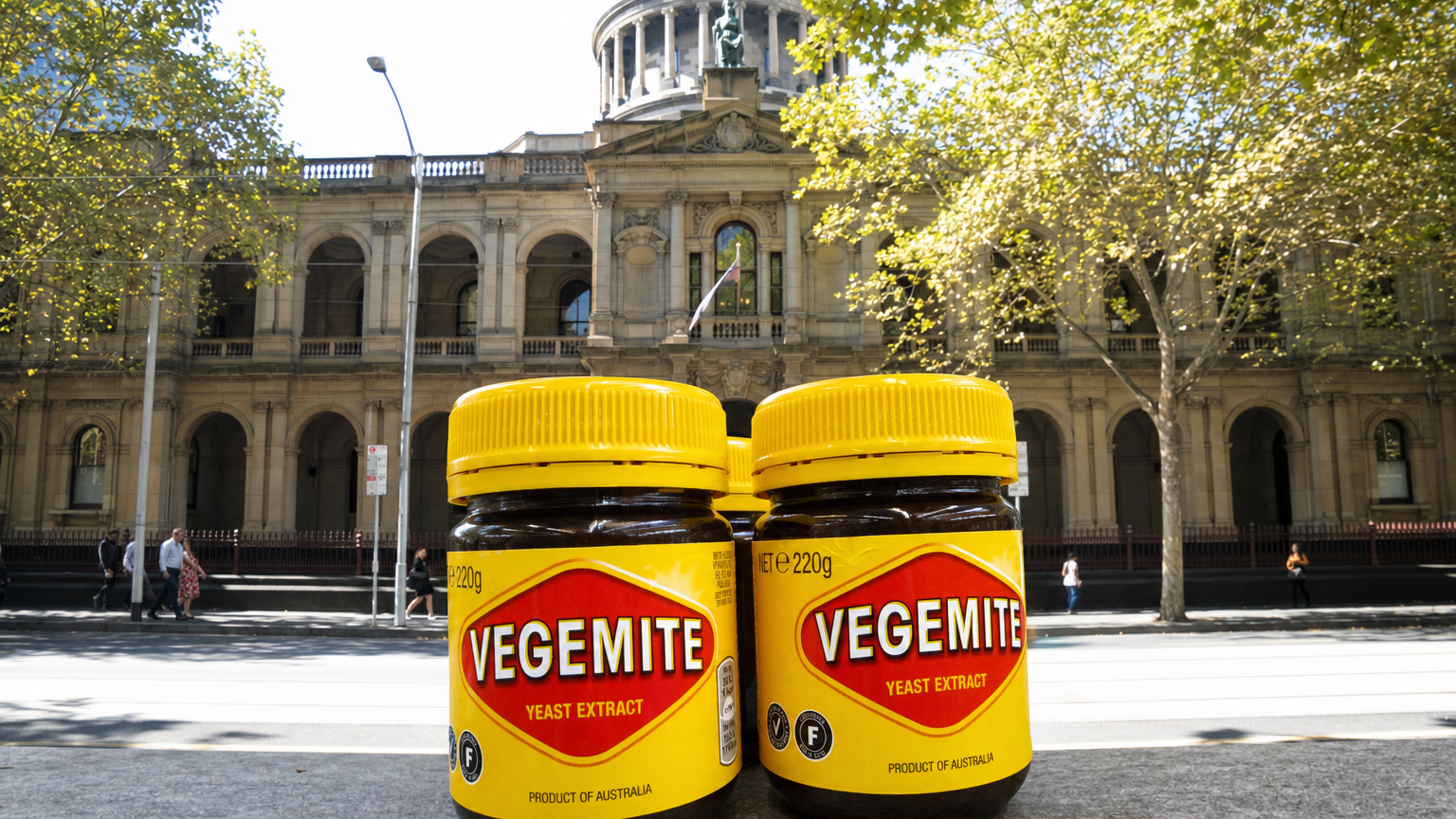
Justice Claire Harris ruled that Andre McKechnie’s cultural rights as an Australian were necessarily limited by his imprisonment for murder, according to the judgment handed down in the Supreme Court of Victoria. The decision rejected the inmate’s claim that the ban on the yeast-based spread breached laws requiring prisons to provide food adequate to maintain health and wellbeing. Corrections Victoria had defended the restriction, which has been in force across the state’s facilities since 2006.
McKechnie, who is 54 and serving a life sentence, was convicted of stabbing property developer Otto Kuhne to death in Queensland in 1994. He completed part of his term in that state before his transfer to Victoria, where he is held at maximum-security Port Phillip Prison. In the action filed against the Department of Justice and Community Safety, McKechnie stated that being unable to consume Vegemite made him feel “deprived of being able to practise my Australian culture, sad and disconnected from my family and community.”
The court heard that prison officials consider the strong-smelling paste a security risk because its odour can distract sniffer dogs from detecting drugs, Corrections Victoria told the hearing. Its yeast content has also raised fears it could be used by inmates to brew alcohol behind bars. Although manufacturer Mondelez has asserted that the production process kills the yeast and prevents fermentation, Justice Harris found the ban to be a proportionate measure justified by the authorities’ obligations to maintain order and safety.
Vegemite remains prohibited in prisons in Queensland, South Australia and Tasmania as well, according to multiple reports on the case. AP News data indicates that more than 80 percent of Australian households keep the iconic spread in their pantries, underlining its place in national culture. The legal action, first launched in 2025, drew international attention to the tensions between prisoner rights claims and institutional security protocols.
A relative of the murder victim criticised the lawsuit as an unwelcome reminder of the crime, describing any additional privileges for offenders as insensitive to families’ ongoing suffering. Opposition corrections spokesman David Southwick had previously labelled the case a frivolous waste of public money that treated prisons like hotels rather than places of punishment. The Supreme Court judgment brings an end to McKechnie’s bid without altering the contraband list that has excluded Vegemite for two decades.