ع
ع


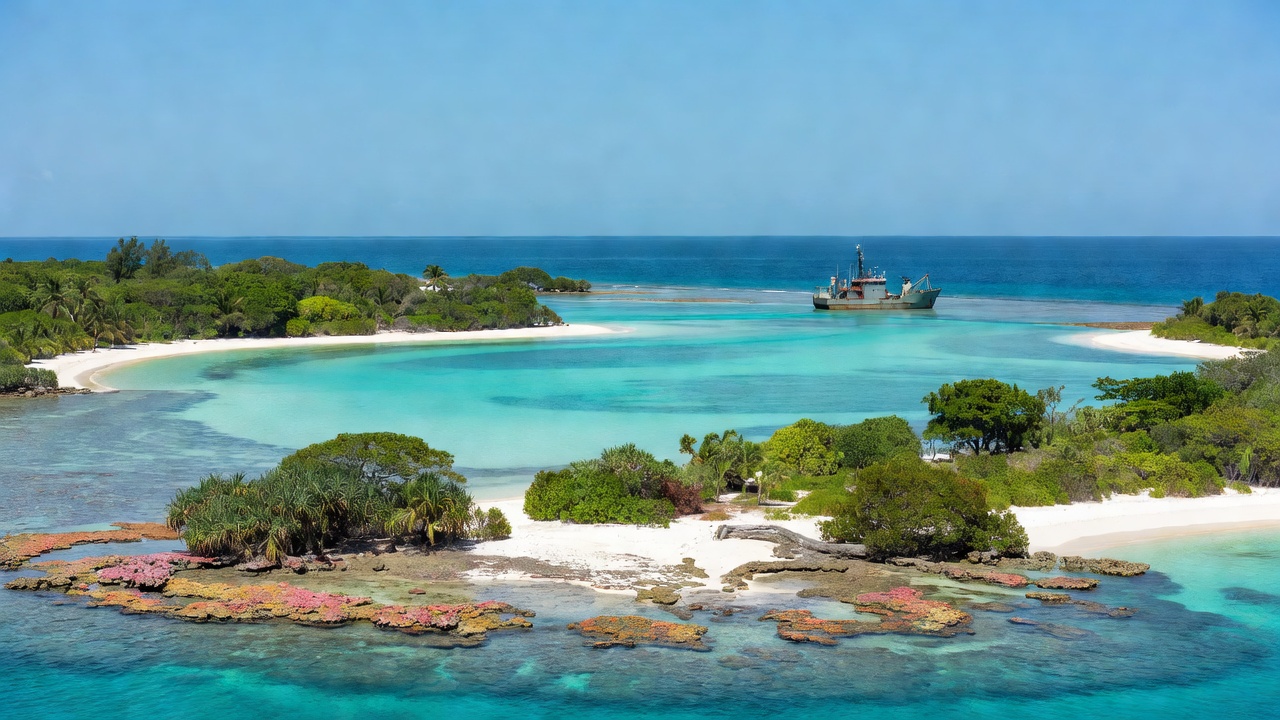
The search for clues to aviation pioneer Amelia Earhart’s 1937 disappearance advanced once more as a 17-member team returned to fieldwork at a remote Pacific atoll following a multi-day weather delay. Strong winds and rough seas, influenced by El Niño conditions, had kept the researchers aboard their vessel, preventing access to Nikumaroro Island in Kiribati until conditions improved on Sunday. According to BBC News, expedition participant Sirisha Bandla expressed that the crew was really excited to finally get off the ship and land on the island to continue probing the so-called Taraia Object. Purdue University, collaborating with the Archaeological Legacy Institute on what has been described as the Taraia Object Expedition, indicated that the team had already begun collecting data on the anomaly spotted in satellite imagery before the pause.
The object, potentially the wreckage of Earhart’s Lockheed Electra 10-E, became more visible after a 2015 tropical cyclone shifted lagoon sediments. Fox News reported that the expedition remains on schedule despite the interruption, with an update on the object’s identification anticipated before the group departs the atoll around October 22. A Newsweek timeline of the disappearance showed the expedition launched from Tarawa on October 7 and reached the island on October 12 or 13 after a six-day voyage.
Earhart and her navigator Fred Noonan vanished on July 2, 1937, while attempting to complete a round-the-world flight, an event that has fueled numerous theories and at least 20 organized searches according to USA Today. One recent effort by Deep Sea Vision in 2024 identified a sonar contact on the ocean floor that was later determined to be a natural rock formation. The current effort focuses on Nikumaroro, where artifacts and historical accounts have long suggested the pair may have made an emergency landing on the reef.
The researchers are employing magnetometers to detect metal components from the mostly aluminum aircraft and side-scan sonar for imaging, while also planning to dredge sediment for closer examination. CBS News noted the team is battling both environmental challenges and a tight timeline before having to return. Richard Pettigrew, executive director of the Archaeological Legacy Institute, has emphasized the potential to resolve one of the 20th century’s major mysteries if the anomaly proves to be aircraft wreckage.
Should initial findings confirm the presence of the Electra, a more extensive archaeological dig could follow in 2027 pending approvals from the Kiribati government, according to a Biography.com overview of the planning. The Biography.com account highlighted how radio bearings, bone fragments and 1930s artifacts support the Nikumaroro hypothesis over a deep-sea crash. Living quarters remain on the research vessel Marin Mainiku because of the presence of large coconut crabs that make camping onshore hazardous.
This latest phase builds on years of research that shifted the focus from open ocean to the atoll’s lagoon and surrounding areas. A Purdue University assessment found the team had cut trails and set up staging areas upon arrival despite initial stormy conditions slowing the first day’s work. Experts involved hope the data gathered will provide definitive answers where previous missions fell short.