ع
ع


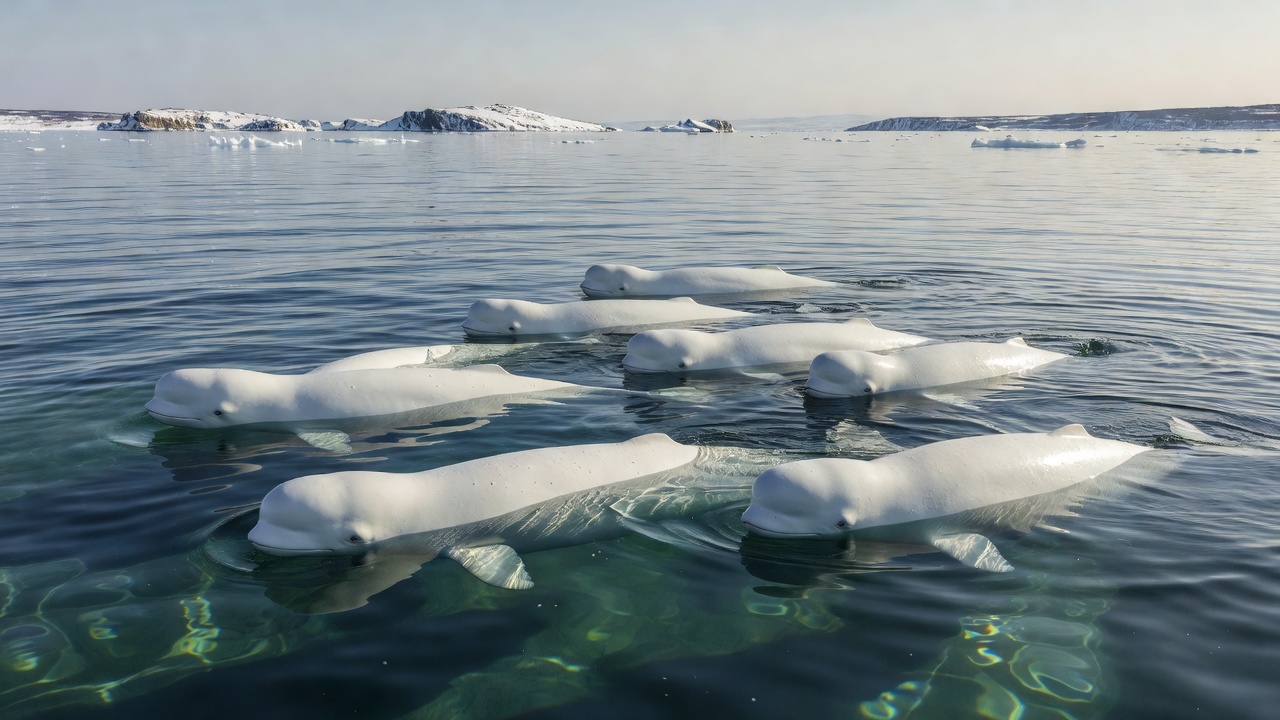
Five of the 30 belugas rescued from Marineland have died since their transfer to aquariums in Chicago, Spain and other locations this summer, according to multiple reports from CBC News and aquarium statements. The deaths include four belugas at the Shedd Aquarium in Chicago and one at Oceanografic Valencia in Spain, with a dolphin from the same group also perishing at the Spanish facility. Shedd Aquarium said in a statement that the latest death, a 27-year-old female named Caspian, followed weeks of declining health including poor appetite and abnormal blood readings, despite intensive veterinary intervention that included nearly four hours of life support. The facility noted that three earlier deaths at its site involved pre-existing conditions such as gastrointestinal disease and chronic liver issues that likely originated before the animals left Canada.
Marineland in Niagara Falls phased out its marine mammal programme and closed to the public after Ontario introduced a 2024 law banning the breeding of cetaceans and certain performance activities, a development first highlighted in coverage by BBC News. The relocation of all 30 belugas and four Black Sea dolphins took place over six weeks in coordinated transports designed to preserve social groups, according to an industry update from Blooloop. Destinations included the Shedd Aquarium, SeaWorld parks in San Antonio and San Diego, the Georgia Aquarium, Mystic Aquarium in Connecticut and Oceanografic Valencia. Critics, including Whale and Dolphin Conservation, argued that moving the animals to other captive environments rather than dedicated sanctuaries subjected them to transport stress that can linger for up to a year and potentially prove fatal.
A marine mammal specialist cited in CBC News coverage observed that the stress of transport can linger for up to a year and potentially cause an extreme reaction like death, adding that further losses could occur in coming months. Oceanografic Valencia stated in a news release that a beluga named Jelly Bean and a dolphin called Echo developed complex clinical conditions that may have been present prior to their arrival, with ongoing monitoring in place for the surviving animals at its site. The Shedd Aquarium reported that its six remaining belugas from Marineland are now eating full diets and showing positive signs, yet the overall mortality rate has drawn scrutiny from animal welfare organisations.
Fisheries and Oceans Canada data places the Western Hudson Bay beluga population at approximately 55,000 individuals, making it the country’s largest, while other groups such as those in the St. Lawrence Estuary number only about one-tenth of their historic size and carry an endangered designation. A federal action plan for the St. Lawrence belugas, drawn from government publications, allocated $167.4 million over five years starting in 2018 to support recovery of endangered cetacean species. The World Wildlife Fund has documented how pollution, habitat loss and climate impacts continue to threaten belugas across Canadian ranges, underscoring the contrast between wild population pressures and the challenges of managing former captive animals.
Whale and Dolphin Conservation noted in its analysis that authorities in Ontario had an opportunity to support a planned whale sanctuary in Nova Scotia instead of facilitating transfers to facilities in the United States and Europe. The organisation described relocation to other captive sites as far from ideal because it places the whales under great stress without addressing underlying welfare concerns. Industry reports indicate that the surviving belugas continue to receive close veterinary oversight at their respective locations, with preliminary necropsies suggesting many health complications predated the moves.
The sequence of deaths has amplified debate over whether the relocations constitute a genuine rescue or merely redistribute the animals among similar environments, according to coverage in Global News and related outlets. Aquarium operators have emphasised that the transfers complied with all regulatory standards and that care protocols remain rigorous. As the remaining animals stabilise, conservation groups continue to call for greater investment in true sanctuary models capable of accommodating large groups of formerly captive belugas.