ع
ع


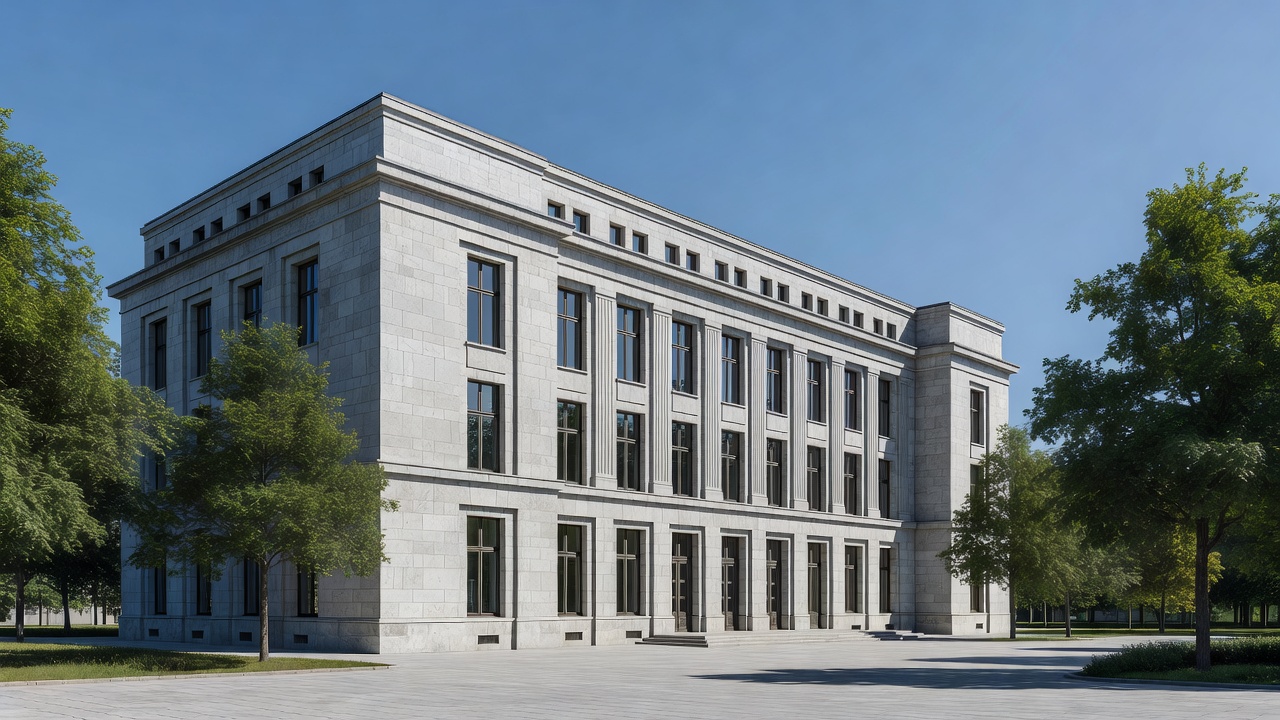
German prosecutors opened proceedings against the 50-year-old defendant at the Hanseatic Higher Regional Court in Hamburg where he stands accused of causing an explosion and acting as an accomplice to a war crime by attacking civilian infrastructure. The charges stem from a 136-page indictment that alleges he led a team in planting high-performance explosives on the pipelines four years earlier according to a summary released by the federal prosecutor’s office and reported by Reuters. Serhii K who was extradited from Italy in November 2025 after his arrest there has denied all involvement in the blasts while Ukraine has repeatedly rejected any state connection to the incident a position reiterated by officials in Kyiv.
The operation is said to have involved six accomplices including four deep-sea divers an explosives expert and a boat captain who chartered the yacht Andromeda from the port of Rostock using forged documents. Prosecutors allege the group loaded military-grade explosives weighing up to 27 kilograms apiece and fitted them with timers before placing the devices about 80 metres below the surface near the Danish island of Bornholm the Irish Times reported after reviewing court documents. Traces of explosives recovered from the vessel along with DNA evidence a smartphone containing pipeline maps and photographs of the team loading diving equipment form central elements of the case built by German investigators according to multiple accounts in the German media.
Explosions ripped through three of the four pipelines on September 26 2022 sending plumes of methane gas into the Baltic Sea and were detected by Swedish seismologists as two distinct events some 17 hours apart Reuters noted in its coverage of the inquiry. The blasts effectively ended the flow of Russian natural gas through the 1200-kilometre network at a time when Moscow had already curtailed supplies amid European sanctions imposed after the full-scale invasion of Ukraine in February that year. German authorities had initially faced widespread speculation pointing toward Russian responsibility but the investigation shifted focus toward a Ukrainian cell after forensic analysis of the Andromeda and related evidence the BBC detailed in a separate report on the police work.
Serhii Kuznetsov as he was named during extradition proceedings served as a special forces officer in the Ukrainian military with some reports from The Times of London linking him to intelligence work and air defence duties in the early phase of the war. His defence team has dismissed the allegations as lacking concrete proof and one alleged superior identified by German media as Roman Chervinskiy told Radio Free Europe he possessed no evidence connecting the defendant to any such mission. Kyiv has maintained its denial of involvement with President Volodymyr Zelenskyy among those publicly rejecting any Ukrainian role according to statements compiled by Al Jazeera.
A second suspect identified as Vladimir Z faces separate proceedings after his arrest in Croatia where he is contesting extradition to Germany following an earlier release by Polish authorities who deemed the act potentially justified the Guardian reported. Prosecutors have named a total of seven individuals in connection with the plot yet only Serhii K appears in the dock for the opening phase of what is scheduled to include at least 16 hearings through December with additional sessions likely in early 2027 according to court officials cited by Euronews. The trial unfolds under tight security in a case that tests Berlin’s alliance with Kyiv at a sensitive moment for European energy security.
The attacks accelerated Germany’s decoupling from Russian energy imports which had previously accounted for a substantial share of its gas supply before the conflict according to historical data from the International Energy Agency. Statista figures placed the annual transport capacity at 55 billion cubic metres sufficient to supply 26 million European households before flows were halted. The proceedings are expected to examine not only the technical execution but also the broader motive of disrupting Russian war financing through gas revenues a claim advanced by prosecutors and examined in reporting by the Eurasia Review.