ع
ع


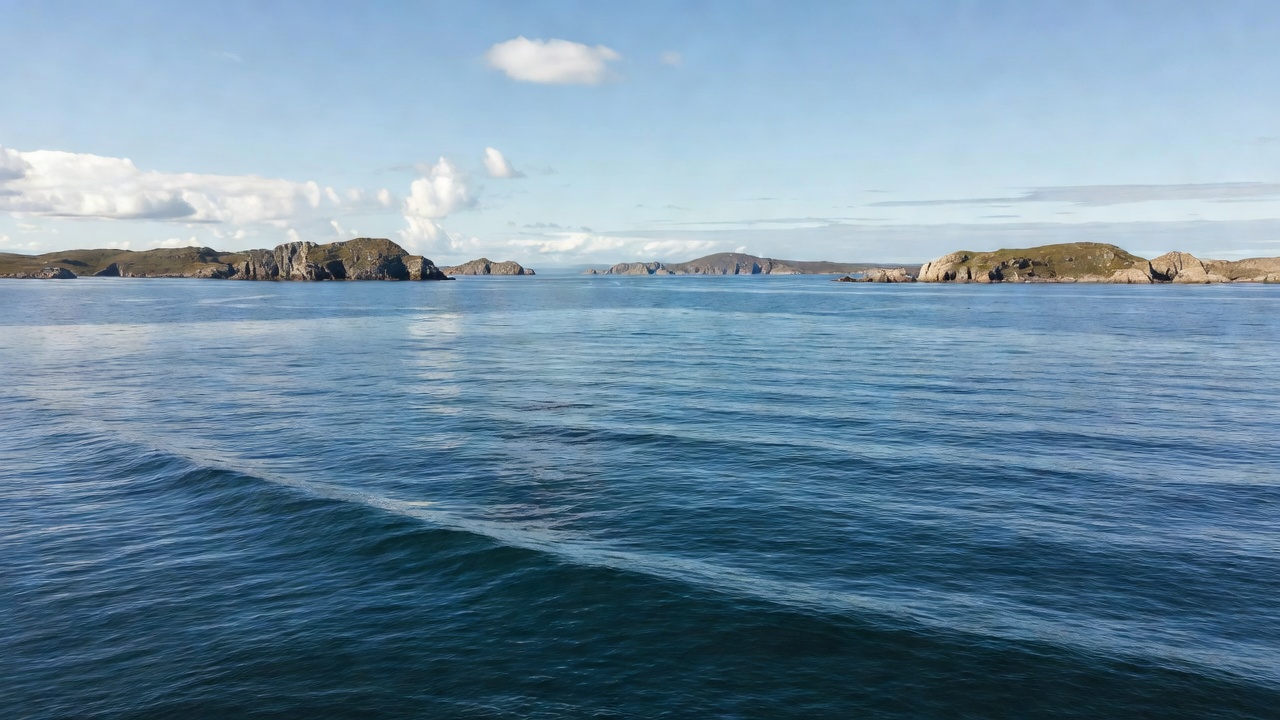
The Argentine government announced on Tuesday that it had submitted an application seeking provisional measures from the International Tribunal for the Law of the Sea to block oil and gas development in the Northern Falklands Basin, which Buenos Aires claims forms part of its continental shelf. The request specifically targets the Sea Lion project, a joint venture between Israel’s Navitas Petroleum and Britain’s Rockhopper Exploration that received final investment approval last year from the Falkland Islands government. UK Foreign Office minister Uma Kumaran told the House of Commons that the filing represented an escalation in Argentina’s campaign against legitimate businesses operating in the islands. Kumaran added that Britain would participate in the tribunal proceedings while maintaining that the project lies on the Falkland Islands’ continental shelf and holds valid regulatory approvals.
The move comes two weeks after President Javier Milei issued a public ultimatum demanding an immediate halt to Sea Lion operations or face international arbitration, according to reports from Reuters and the Buenos Aires Herald. The Argentine administration has separately filed criminal complaints against the companies and their executives, alleging violations of domestic laws that prohibit unauthorised resource extraction from what it considers national territory. Navitas Petroleum and Rockhopper Exploration have both stated that their licences were lawfully issued by the Falkland Islands authorities with full UK government backing and that they do not anticipate disruption to the planned 2028 start of production.
Sea Lion contains an estimated 1.7 billion barrels of oil in place, with recoverable volumes in the initial phases placed at approximately 300 million barrels, according to assessments published by Rockhopper Exploration. The development, budgeted at around $2.2 billion for early stages, is projected to reach peak output of 50,000 barrels per day once fully ramped up across multiple phases. Offshore exploration in the North Falkland Basin dates to the mid-1990s when the Falkland Islands government awarded seven production licences covering more than 12,000 square kilometres, a timeline detailed on the territory’s official mineral resources website.
Tensions over the archipelago, which Argentina calls the Malvinas, have persisted since the 1982 conflict and were reaffirmed by a 2013 referendum in which islanders voted overwhelmingly to retain their status as a British overseas territory, according to UK government records. The roughly 3,500 residents derive significant economic benefit from resource development, with the Sea Lion field expected to generate substantial revenues once pumping begins. Argentina’s latest filing with the Hamburg-based tribunal, established under the United Nations Convention on the Law of the Sea, reiterates its position that unilateral British authorisation violates its sovereign rights.
In parallel actions, the Argentine government has pressured service companies, leading Halliburton to withdraw from potential involvement in the project after receiving warnings of possible enforcement measures, an OilPrice.com review of industry responses found. The UK has responded by invoking the Protection of Trading Interests Act to shield firms from extraterritorial effects of Argentine legislation, Foreign Secretary Ed Miliband said in a statement. Miliband described attempts to intimidate businesses engaged in lawful activity as unacceptable and confirmed that additional proportionate measures would be taken if required.
The Falkland Islands government has approved the Sea Lion development plan following public consultation and maintains that hydrocarbon activities fall squarely within its regulatory remit, according to statements released through official channels. Exploration history in the basin includes multiple drilling campaigns since 1998 that confirmed working petroleum systems, although commercial production has yet to commence anywhere in the territory. Both the UK and the island authorities have reiterated that the islanders’ right to self-determination extends to decisions on natural resource exploitation.