ع
ع


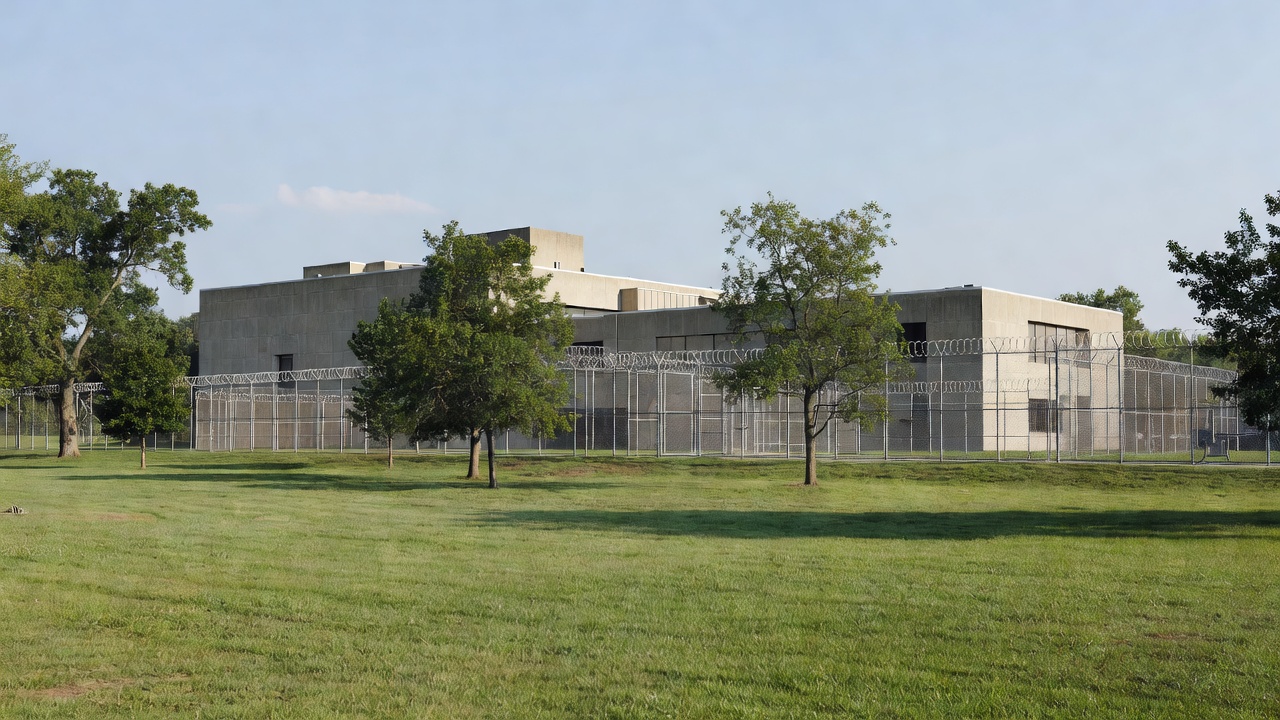
Newly released 911 recordings show that emergency medical assistance for Christa Pike was delayed more than 30 minutes due to confusion between prison officials and dispatchers following the failed execution attempt at Riverbend Maximum Security Institution on September 30. An unidentified caller from the prison placed the first call at 8:40 p.m. stating that officials had administered 10 grams of pentobarbital more than an hour earlier yet the inmate remained alive with very labored and slow breathing according to a transcript obtained by The Associated Press. The caller was unable to provide a required code to verify the call and allow ambulances through the prison gates which led dispatchers to initially treat it as a potential false report.
A dispatcher informed responders at 9:03 p.m. that supervisors had classified the call as false and that no medical assistance was needed at the facility according to USA Today which reviewed the recordings. About 20 minutes after the initial call a Tennessee Department of Correction employee told first responders that nobody from the facility had requested help. It was not until 9:11 p.m. that prison officials confirmed the emergency allowing responders to enter the gates after multiple verification calls as the Metro Nashville Emergency Communications Center records indicate.
Pike’s attorney Kelly Gleason placed a follow-up 911 call reporting that her client was still alive and breathing while needing immediate life-saving care. Gleason described Pike as not awake and snoring during the call which was among 10 total calls placed between 8:40 p.m. and 9:11 p.m. Pike who had been unconscious and unresponsive was eventually transported to a hospital where she received treatment before being released back into custody her legal team stated last week.
The 50-year-old inmate was convicted in 1996 for the 1995 slaying of Colleen Slemmer a fellow student at a Knoxville Job Corps center according to Tennessee court records. Pike and two accomplices beat the victim with a meat cleaver carved a pentagram on her chest and killed her in a widely publicized case that resulted in Pike becoming the only woman on the state’s death row. She is now the first person known to survive a double dose of pentobarbital during a lethal injection procedure according to multiple reports including from ABC News.
The Tennessee Department of Correction has declined to comment on the 911 recordings or the circumstances surrounding the failed execution. A Tennessee judge granted a motion to preserve all relevant evidence from the procedure following a request from Pike’s attorneys. The incident adds to a series of problematic lethal injections in the United States where the Death Penalty Information Center has documented more than 40 botched executions since 1982 often involving issues with drug administration or inmate reactions.
Lethal injection is authorized in 27 states and remains the most common execution method in the country according to Bureau of Justice Statistics figures. Pentobarbital has been used in numerous executions but drug shortages and varying state protocols have contributed to complications in several cases over the past decade. Pike’s survival has prompted renewed scrutiny of Tennessee’s execution practices as her legal team continues to challenge the procedure’s constitutionality.