ع
ع


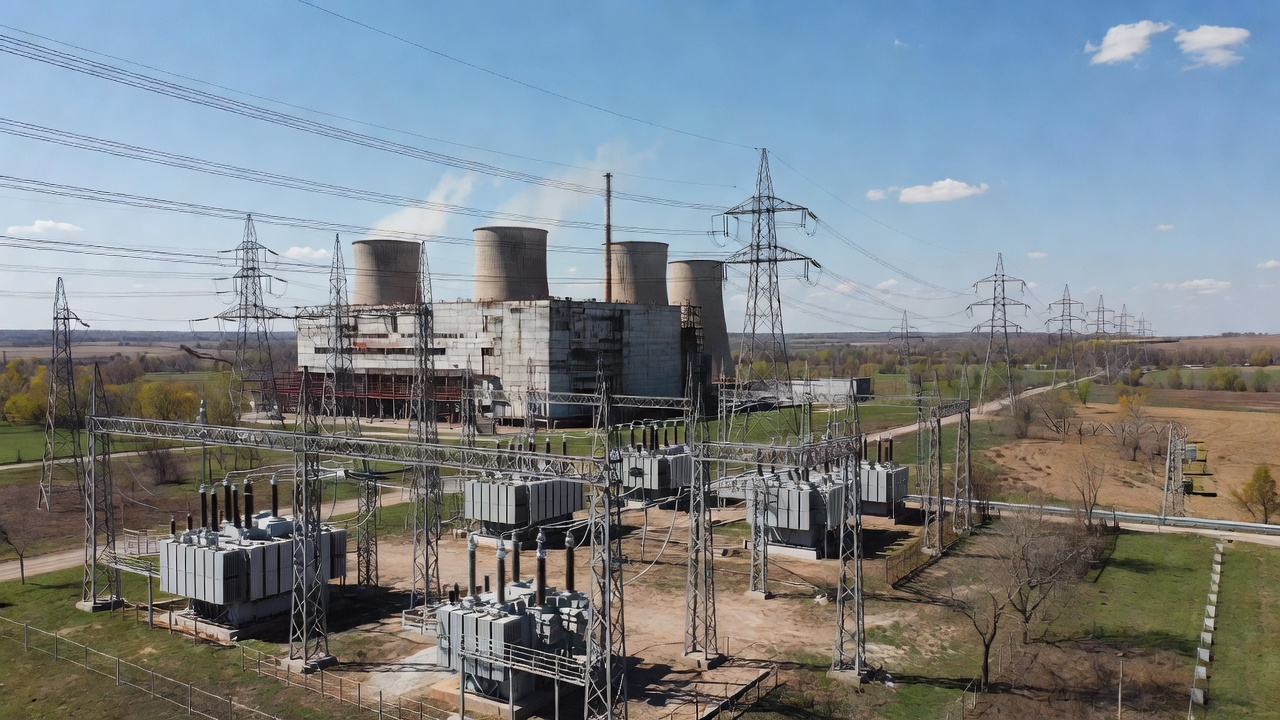
Ukrainian President Volodymyr Zelensky told delegates at the Warsaw Security Forum on October 12, 2026 that Russia had struck six energy facilities hours after US President Donald Trump announced an energy ceasefire the previous day. The Ukrainian leader specified that the targets included a power plant in Kharkiv, a gas production facility and a civilian gas station, while emphasizing that Ukraine had refrained from attacking Russian energy sites in response. Zelensky said the strikes injured 33 people across the facilities, according to his remarks relayed by multiple outlets including the BBC and AP News.
Trump declared on his Truth Social platform that both parties had agreed to an energy ceasefire effective immediately, although the Kremlin has yet to confirm participation and Ukrainian officials said they first learned of the proposal through media reports. Zelensky, speaking via video link from the Polish forum, described the development as a potential first step toward ending the conflict if properly enforced by Washington. A Reuters report from Kyiv noted that Zelensky urged the United States to take concrete actions to ensure Russian compliance with the terms.
Ukraine’s state-owned grid operator Ukrenergo reported fresh power cuts in Kharkiv, Donetsk and Zaporizhzhia on Monday stemming from damage to energy equipment during the overnight assaults. Blackouts affected the city of Izyum after Russian strikes destroyed power grids there, while energy and railway infrastructure in the western Zhytomyr region also came under attack, according to the head of the regional military administration cited by Ukrinform. Electricity rationing has been introduced in vulnerable areas to avoid overloading the remaining infrastructure, Ukrenergo stated in its update.
Figures compiled by the Armed Conflict Location and Event Data Project show that Russian strikes on Ukrainian energy infrastructure have quadrupled between September 2024 and September 2026, rising to 160 attacks in the most recent month from just 21 during the equivalent period in 2022. Zelensky reported that Russian forces conducted 196 strikes on electrical infrastructure and 20 on oil and gas facilities over the past week, claiming at least 153 civilian lives in the process. The Institute for the Study of War assessment found that such assaults form part of a sustained campaign to degrade Ukraine’s power generation ahead of the winter heating season.
In a subsequent interview with Fox News, Zelensky said, “We did not attack, while Russia attacked our gas stations, energy infrastructure, and other facilities.” He added that he believed the strikes represented Russian President Vladimir Putin’s direct response to Trump’s initiative. The Ukrainian president reiterated that an energy ceasefire could become a major step toward peace provided the Americans ensure Moscow respects it, according to the Reuters account of his comments.
European leaders expressed support for a genuine energy ceasefire while voicing skepticism about its immediate prospects without stronger enforcement mechanisms. French President Emmanuel Macron stated that Paris backed the proposal for a real pause in strikes on energy targets, The Guardian reported. UK Prime Minister Andy Burnham endorsed Trump’s call for a sustained halt, even as the European Union prepared its largest package of sanctions against Russia since the full-scale invasion began in 2022, a Reuters dispatch indicated.
The latest incidents underscore the strain on Ukraine’s energy sector after more than four years of conflict, during which Russian attacks have repeatedly targeted power plants, substations and gas facilities to disrupt civilian life. Ukrenergo data places the affected regions under continued pressure, with emergency repairs underway even as winter demand rises. Zelensky has called for enhanced international assistance to bolster air defenses protecting critical infrastructure, according to his address at the Warsaw forum.