ع
ع


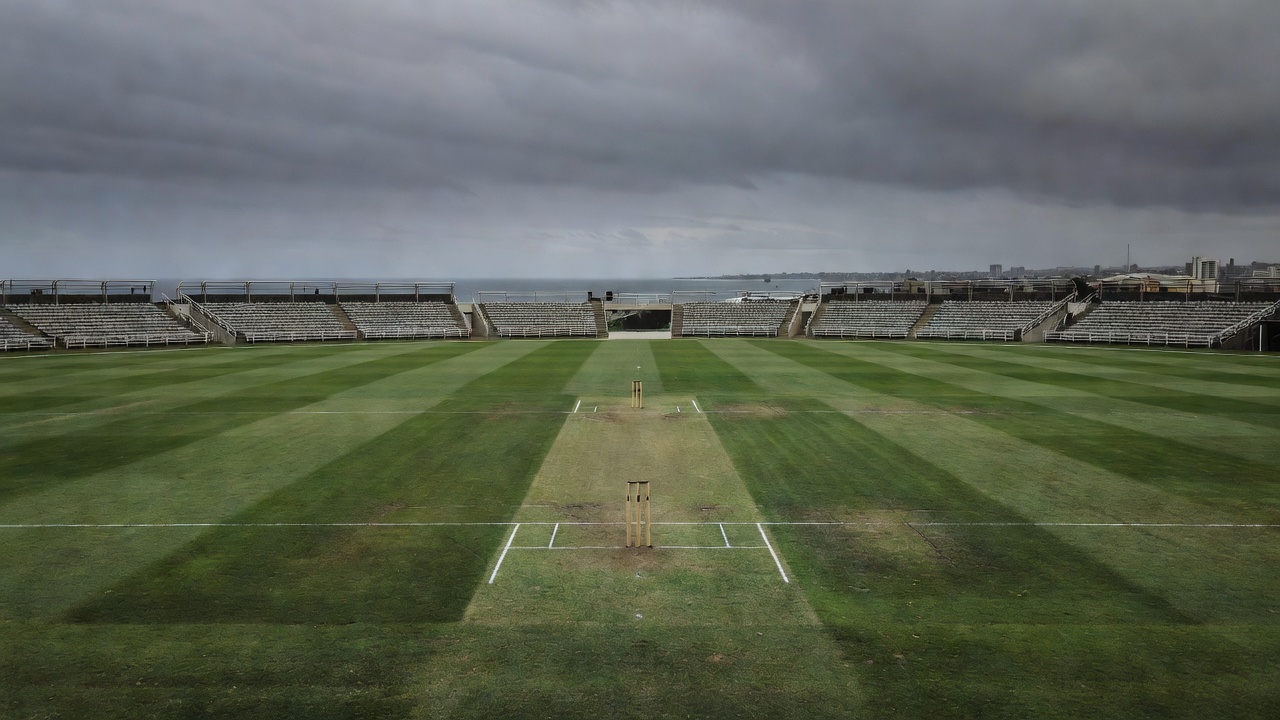
Bad light has curtailed play early for a fourth straight day in Durban where Australia hold a lead of 139 runs with all 10 wickets in hand after bowling out South Africa for 284 in the opening Test. Umpires halted proceedings as early as mid-afternoon on several days despite the match starting at 9:30 local time to account for the coastal city’s early sunset around 6pm. The persistent interruptions which have wiped out the equivalent of more than a full day’s play have revived long-standing debates over scheduling and regulations in Test cricket according to multiple reports from the series.
The International Cricket Council amended its playing conditions effective October 1 to allow pink balls in traditional daytime Tests if both teams agree in advance a move designed specifically to minimise disruptions from poor light. No discussions took place between the two boards before this series however leaving the red ball in use and umpires applying the existing standard that play must stop when conditions become dangerous or unreasonable. An ICC media release distributed at the time of the change emphasised the trial’s aim to reduce lost time while also announcing research into improved lighting technology funded alongside the Marylebone Cricket Club.
Former South Africa fast bowler Shaun Pollock who served on the ICC committee recommending the update pointed to what he described as a stigma around the pink ball in the game. “They say it moves too much” Pollock said adding that performances with the ball often draw unfair blame from both sides regardless of outcome. His comments echoed broader reluctance among teams with limited pink-ball experience outside day-night fixtures a factor that has prevented the option from being used anywhere since its introduction.
The regulation stops short of permitting a mid-match switch from red to pink when light deteriorates a step that former England captain Michael Vaughan had advocated but which the ICC did not adopt. Instead any agreement must cover the entire Test from the outset creating a barrier in series like this one where conditions were foreseeable yet not addressed beforehand. ESPNcricinfo noted that coaches including Ashwell Prince have expressed clear preferences for the red ball in standard Tests making consensus difficult to achieve.
This Durban match has thrown a spotlight on bad light as a recurring obstacle that has affected numerous high-profile contests over the past decade including Ashes encounters and other bilateral series where significant overs have been lost. While the early start time was intended to mitigate the problem the combination of sea breezes cloud cover and falling humidity in the afternoon has still forced premature ends according to meteorological explanations cited in coverage. The situation leaves the series opener at risk of failing to produce a result with forecasts suggesting similar conditions could linger.
Cricket Australia and Cricket South Africa now face questions over whether future matches in the series will see the pink ball deployed especially as the second Test approaches. Pollock among others has urged greater openness to the change arguing it could preserve playing time without compromising the contest’s integrity. With more than two days remaining in the current match the focus remains on whether the teams and administrators can adapt before further time slips away.