

 ع
ع


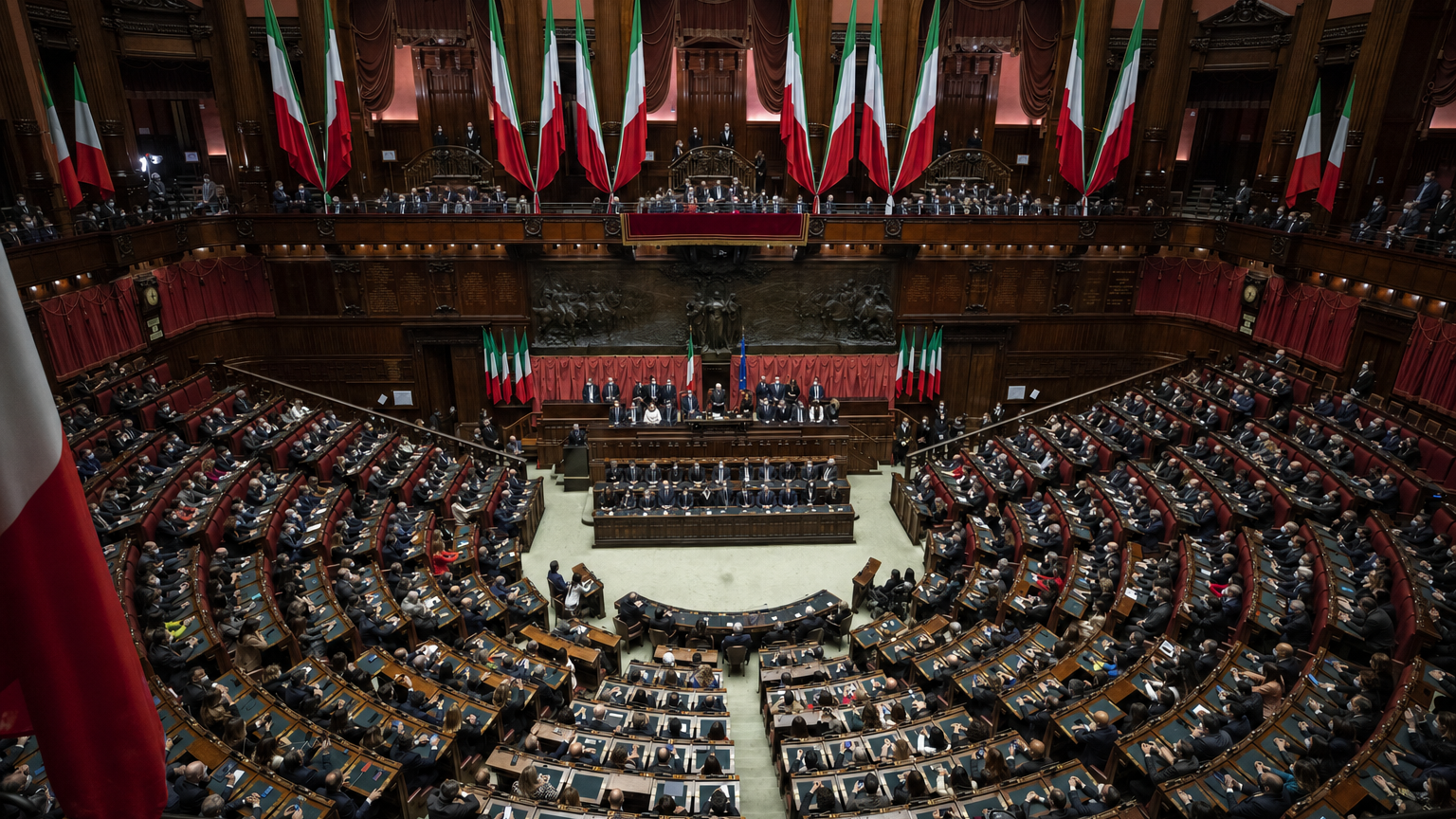
Italy’s Chamber of Deputies granted final approval on Thursday to a contested electoral reform bill advanced by Prime Minister Giorgia Meloni’s right-wing coalition. The measure passed in a secret ballot by 227 votes to 164 after months of debate that tested the unity of her alliance. Bloomberg reported that the changes were initially designed to bolster Meloni’s prospects in next year’s general election.
The new law establishes a purely proportional system while awarding a fixed seat bonus to any coalition that surpasses 42 percent of the national vote. According to a Reuters factbox this delivers 70 additional seats in the 400-member lower house and 35 in the 200-member Senate though both are capped at 220 and 113 respectively to prevent outsized majorities. If the threshold is not met seats are distributed on a strictly proportional basis The Local noted in its reporting on the outcome.
This overhaul replaces the Rosatellum hybrid model under which roughly two-thirds of lawmakers were chosen through proportional lists and the remainder through first-past-the-post districts. Analysts cited across multiple outlets including Reuters had argued that the old constituencies tended to favour opposition forces particularly in southern Italy. The removal of single-member seats forms the centrepiece of a package that government officials say will foster greater parliamentary stability in a nation long plagued by short-lived administrations.
Additional provisions require coalitions to designate their prime ministerial candidate in advance and allow voters to select up to three preferences from six candidates listed after a party-chosen top name that remains blocked. The reform also increases the signature threshold for extraparliamentary parties to 6,000 per constituency from the previous 1,500 a detail highlighted in coverage by Pagella Politica. These elements emerged from compromises reached after coalition infighting over the extent of voter choice in candidate selection.
Meloni portrayed the outcome as proof of her bloc’s cohesion telling supporters that those expecting divisions had been answered with concrete unity. “We are introducing rules designed to promote the stability and the parliamentary cohesion of any government” she posted on X immediately after the vote according to Reuters. The legislative path involved four separate parliamentary votes including confidence motions that shielded most of the text from open defections.
Opposition leaders denounced the package as a partisan manoeuvre intended to entrench Meloni’s power while warning that its emphasis on broad alliances could ultimately strengthen a unified centre-left front if internal rivalries are set aside. The Local reported that the legislation is expected to trigger legal challenges and may result in fewer women elected to parliament. Reuters analysis suggested the changes will place fresh pressure on opposition figures such as Democratic Party leader Elly Schlein and 5-Star Movement head Giuseppe Conte to resolve their differences before the 2027 campaign.