

 ع
ع


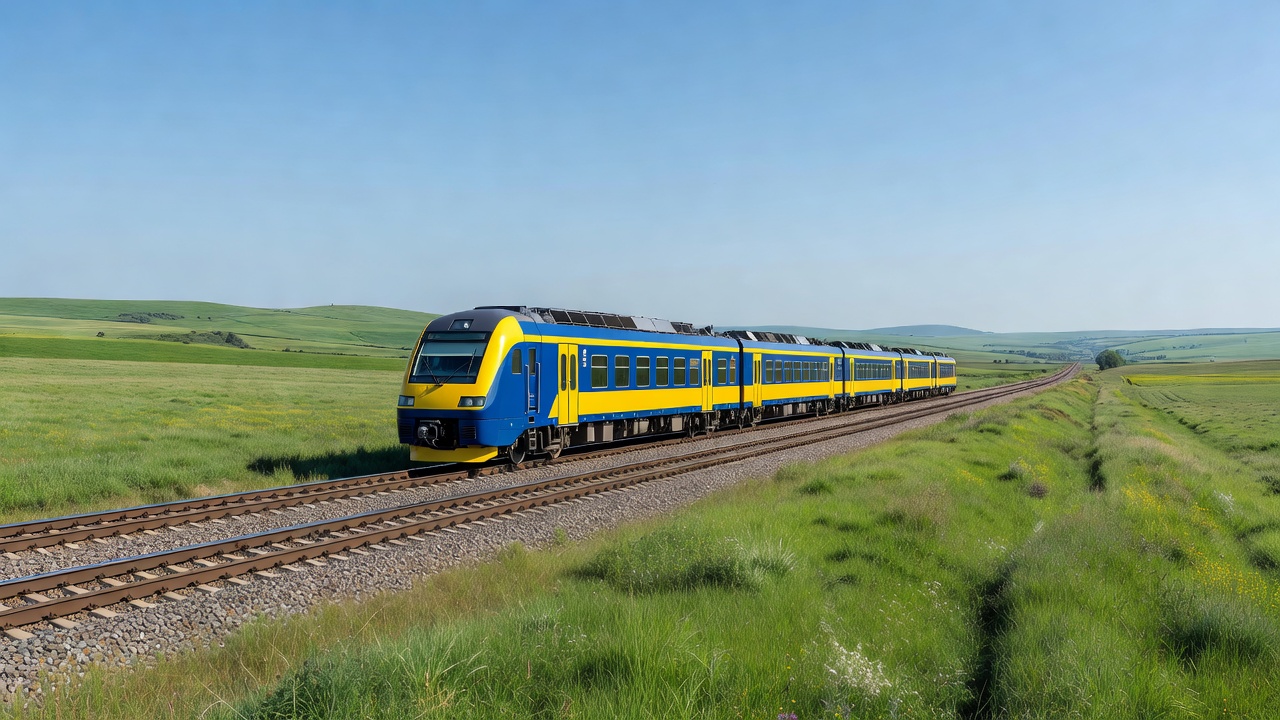
Ukrzaliznytsia reported that Russian drone attacks prompted the evacuation of 5,831 trains across Ukraine in September, an average of 205 services each day, according to data the operator provided to AFP news agency. The state-owned company said attacks on railway facilities have climbed from 1,206 in 2025 to 1,700 so far this year, with more than half of all strikes on locomotives since the full-scale invasion occurring in 2026. Officials noted that monitoring teams now routinely halt trains when drones approach within 100 kilometres, forcing passengers to disembark and seek shelter in fields or alongside tracks until the threat passes. This has led to fear and disruption for Ukraine’s rail passengers as Russia escalates drone attacks.
A 27-year-old marketing specialist from Kharkiv named Yuliia Ponomarenko described her journey toward the Polish border being interrupted last month when border guards ordered passengers to run from the carriages after a drone struck a nearby locomotive, the BBC reported. The incident occurred minutes after a special train carrying former British Prime Minister Boris Johnson and other European figures had crossed into Poland, raising questions about whether diplomats were the intended target. Ponomarenko said the sudden chaos left travelers shaken, with similar evacuations now commonplace on routes near front lines and even extending toward western borders.
The railway assaults form part of a broader offensive on Ukrainian infrastructure that recently included drone strikes on two major bridges across the Dnipro River in Kyiv, the Telegraph reported on October 6, 2026. Those attacks disrupted both road traffic and the city’s green metro line, with one metro train caught in the blasts though passengers escaped injury. Ukrzaliznytsia chairman Oleksandr Pertsovskyi told Politico that the campaign seeks to isolate frontline communities, sow panic among civilians and paralyse economic activity by targeting the network that moves 60 percent of freight and 37 percent of passengers.
Pertsovskyi stated in the same interview that Russia began deliberately hunting passenger trains after acquiring mesh-network antennas in late 2025, enabling real-time control of jet-powered drones from occupied territory or Belarus. The technology has allowed strikes on moving trains in regions including Sumy, Kharkiv and Zaporizhzhia, where repeated attacks prompted the replacement of some services with buses. ACLED data analysis published on October 1, 2026, found that such incidents in the first half of September had already matched the full monthly average for the year, signaling a sustained escalation beyond traditional logistics hubs.
Railway workers have borne a heavy toll, with two dozen killed and more than 80 injured in 2026 alone, according to figures cited by CBC News in September. In one Kharkiv-region strike last month, a drone killed at least one person and injured seven others, some of them passengers who had not moved far enough from the train during evacuation. Overall since the invasion began, more than 500 locomotives have been damaged or destroyed, with Ukrzaliznytsia recording a first-quarter net loss of $178 million driven partly by these attacks and rising energy costs, the Kyiv Post reported.
Despite the dangers, Ukrzaliznytsia carried 8.1 million passengers during summer 2026, a slight increase from the previous year, company data published in early September showed. Officials have maintained subsidies to keep fares affordable while rerouting services and investing in early-warning systems that have prevented most casualties during evacuations. Pertsovskyi warned European rail leaders at InnoTrans in Berlin at the end of September that the experience underscored the need for resilience planning, as the network continues to function under constant pressure from an adversary adapting its tactics.