ع
ع


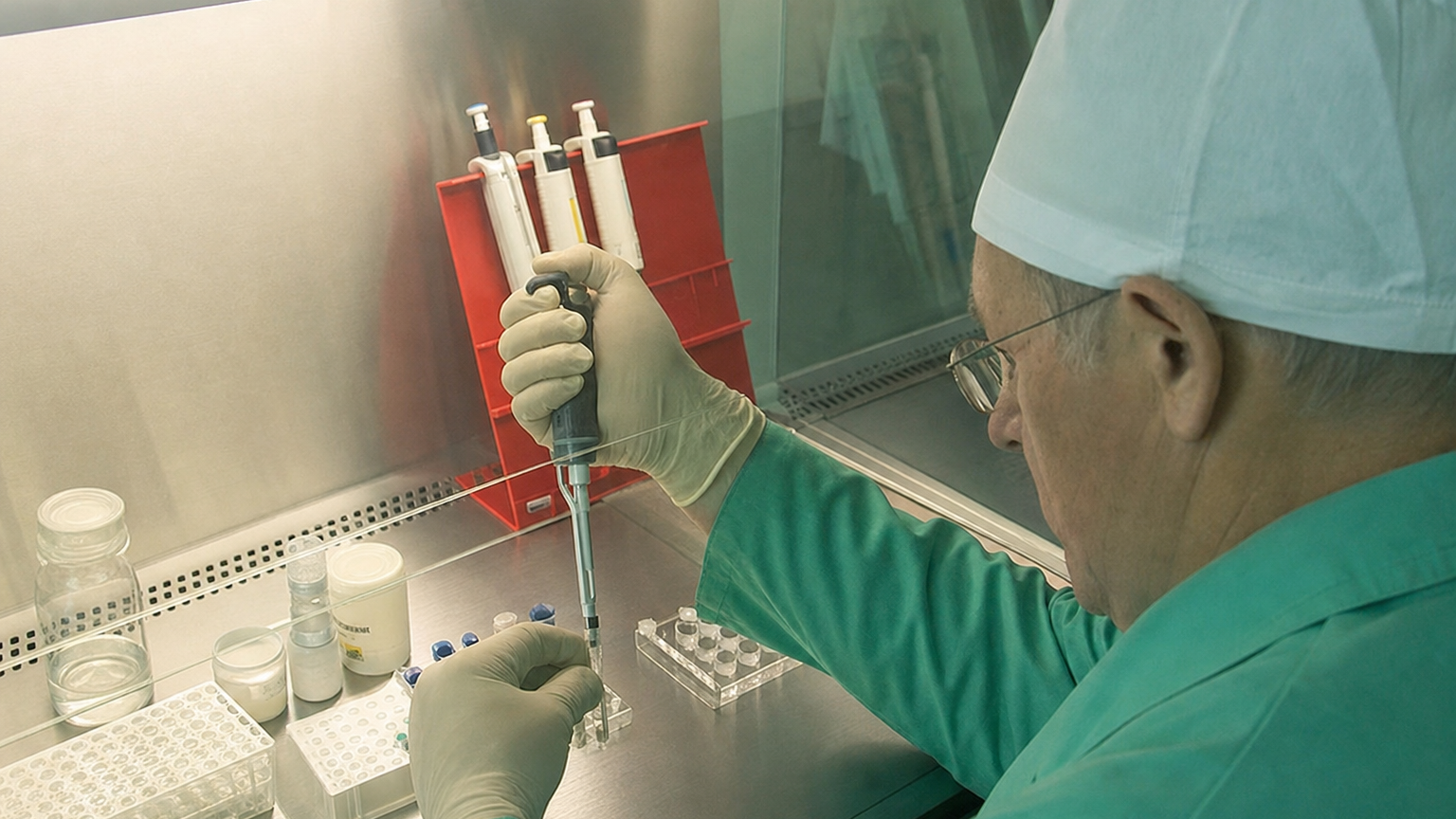
Russian authorities have denied any connection between the death of a 28-year-old laboratory technician and the plague bacteria she worked with at a research institute in Siberia, according to statements released this week. Rospotrebnadzor, the country’s public health agency, reported that the woman died from pneumonia of unknown etiology and that no microorganisms associated with her professional activities were found in post-mortem samples. The agency added that a commission inspected the Irkutsk Anti-Plague Research Institute and identified no emergency situations involving pathogenic microorganisms.
Irkutsk Regional Governor Igor Kobzev stated that the sanitary and epidemiological situation in the region remains stable with no new cases among institute staff seeking medical attention since the woman’s death on October 2. He noted that all known contacts have been identified, examined and placed under medical supervision, with tests revealing only isolated cases of COVID-19 and rhinovirus among them. Kobzev’s comments followed initial local reports that had suggested a possible plague diagnosis before officials walked back those assertions.
Kremlin spokesman Dmitry Peskov told reporters that the public should rely on Rospotrebnadzor’s official statements rather than rumours and speculations surrounding the incident. The watchdog’s head, Anna Popova, traveled to Irkutsk over the weekend to coordinate with regional officials on the response to what was described as a suspected particularly dangerous infection. Nearly 200 people who had contact with the deceased were placed under observation as a precaution, Russian media reported.
The institute carries out scientific research on plague control, vaccine development and epidemic prevention as well as work on other dangerous infectious diseases like cholera, brucellosis and anthrax. Unconfirmed local accounts had suggested the technician, identified as Darya Shipilova, may have been exposed after breaking a test tube containing the pathogen in late September before developing severe symptoms. Officials have rejected those accounts, insisting the death was unrelated to her laboratory work.
The United States has been monitoring the developments closely, with President Donald Trump indicating that his administration was examining the case and stood ready to help if needed. Secretary of State Marco Rubio described the situation as warranting attention but not alarm, according to statements from the State Department. The World Health Organization confirmed it had sought further details from Russian authorities and assessed the risk to the broader public as low.
Pneumonic plague represents one of the most severe forms of the bacterial disease caused by Yersinia pestis and can spread person to person through airborne droplets, according to international health assessments. Data from global health bodies indicates that while outbreaks remain rare, early detection and treatment with antibiotics significantly improve survival rates. No additional infections linked to the case have been publicly confirmed by Russian authorities as of October 6.