ع
ع


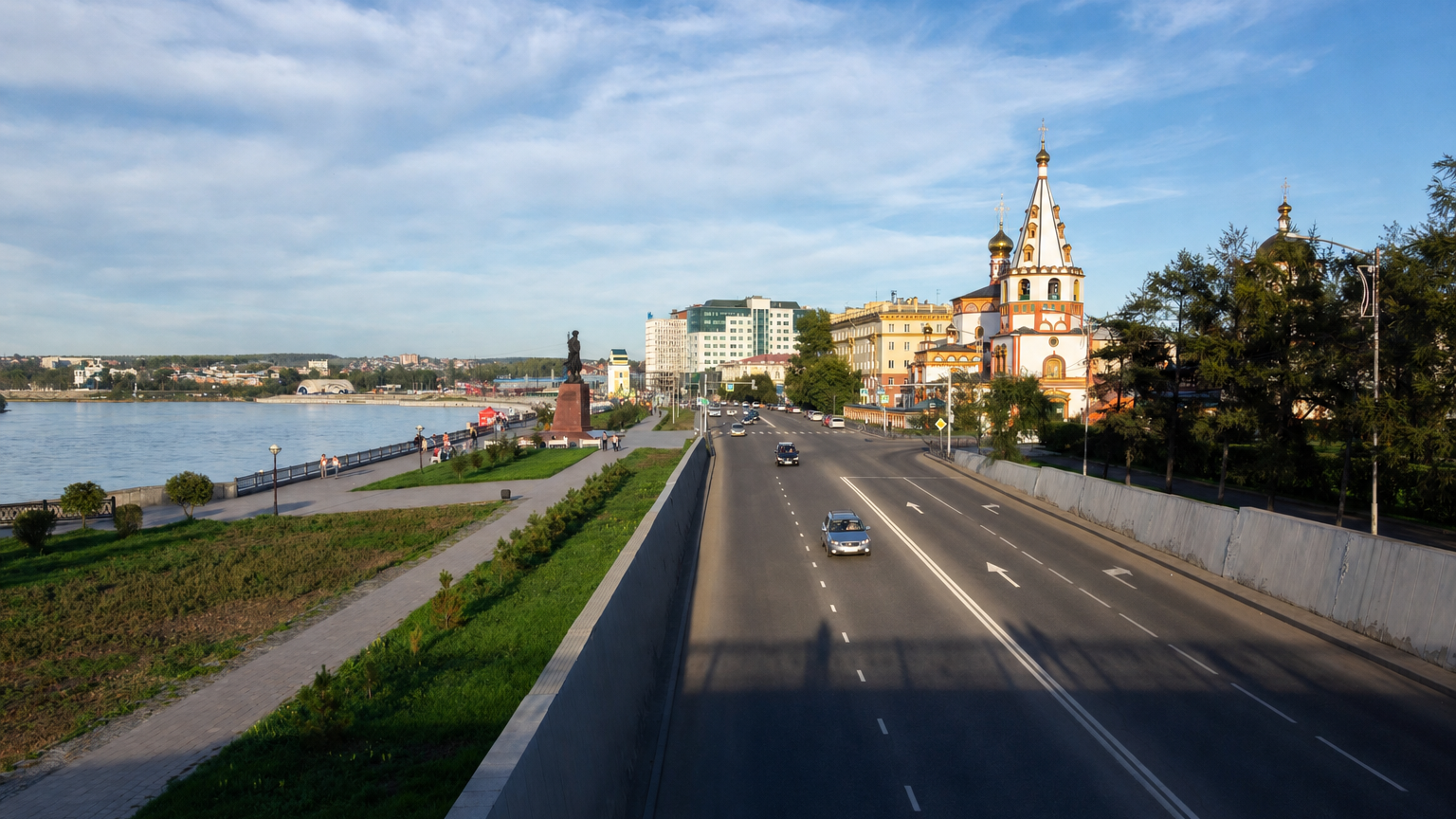
The technician identified as Darya Shipilova by outlets including CNN and The Guardian worked at the Irkutsk Research Anti-Plague Institute of Siberia and the Far East in Shelekhov. She fell ill after an apparent incident on September 25 was hospitalised four days later with severe pneumonia and died overnight on October 1 to 2 according to regional health officials. Local media carried unconfirmed reports that she had broken a test tube containing Yersinia pestis the bacterium that causes plague while other accounts pointed to possible exposure during a field trip to an area where the disease occurs naturally among rodents.
Russia’s consumer safety agency Rospotrebnadzor stated that extensive testing detected no microorganisms linked to her professional duties in biological samples taken from the patient and that the epidemiological situation in Irkutsk and Shelekhov remained stable. Irkutsk Governor Igor Kobzev citing the agency reported that no other staff from the institute had sought medical attention since the death and that a biological safety inspection found no emergency at the facility. Nevertheless nearly 200 people were placed under medical observation several hospitals faced quarantine restrictions and multiple public events were cancelled in the region as a precaution CNN reported.
US Secretary of State Marco Rubio told reporters that Washington was watching the situation closely with the Centers for Disease Control and Prevention and other interagency partners. Rubio stated according to accounts in The Washington Post and The Guardian that Russian officials had shared some information about an infected lab worker and concerns that the disease might have spread internally within Russia. President Donald Trump added that the United States was looking very strongly at the case had not yet spoken to the Kremlin about it and stood ready to help if needed.
The institute specialises in the study of dangerous pathogens including Yersinia pestis which is endemic among wild rodents such as marmots in parts of Siberia and neighbouring Mongolia according to public health records cited by BBC News. Pneumonic plague the form suspected in this case spreads through respiratory droplets and carries a high fatality rate without rapid antibiotic treatment a review published by Contagion Live noted. The same bacterium was responsible for the Black Death that killed tens of millions across Europe and Asia in the 14th century.
Former senior Russian health official Gennady Onishchenko told the TASS news agency that cold weather now settling across the region would likely limit any potential transmission of the disease. Dr Ashish Jha a former White House COVID-19 response coordinator questioned why a young otherwise healthy person would succumb to what should be a treatable infection as reported by The National Desk. US officials speaking to The Washington Post on condition of anonymity emphasised that while the risk to the United States remained low given limited travel between the two countries agencies continued to seek further details from Russian counterparts.
The episode has revived international attention on laboratory safety at facilities handling select agents with past incidents in Russia having drawn scrutiny from biosecurity experts. No additional cases have been confirmed and Russian authorities have stressed that the death was not linked to the researcher’s professional activities. The US State Department reiterated in statements carried by multiple outlets that it was monitoring developments with its public health partners.