ع
ع


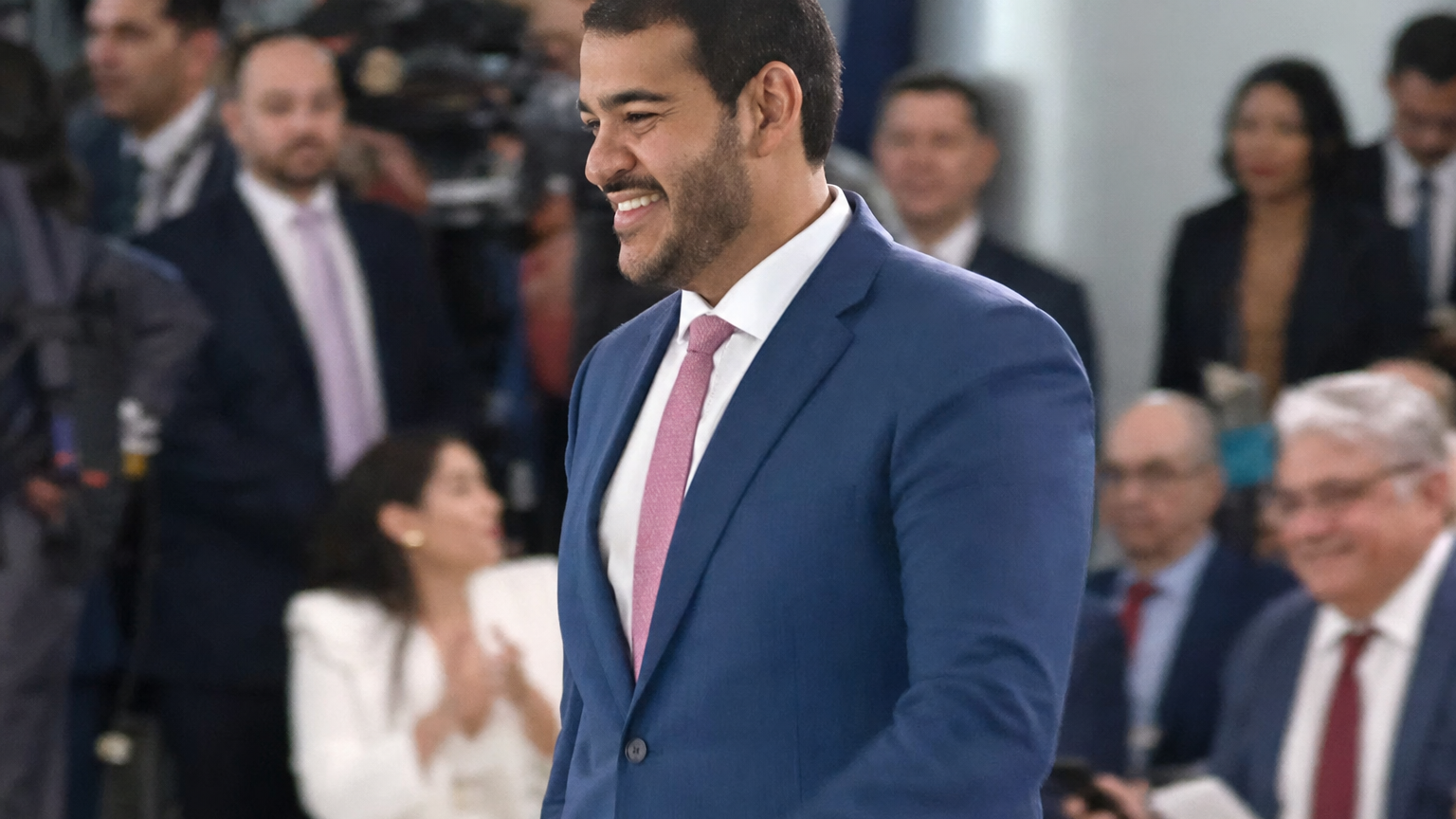
Brazil’s Attorney General Jorge Messias directed federal police and prosecutors to examine the origin and purpose of funds linked to a reported US plan supporting civil society groups critical of the supreme court. The directive followed a Guardian report detailing a one-million-dollar grant for a project titled Countering Lawfare and Censorship in Brazil as part of a larger State Department human rights package exceeding 175 million dollars. Messias described the initiative as an important alert for Brazilian sovereignty that carries added weight during the electoral period and stressed that foreign interests seeking to sway voters or institutions cannot be tolerated. The attorney general’s office framed the review as essential to protecting the integrity of the political process.
The central question of why Brazil has accused the US of election interference centers on a series of economic measures, diplomatic moves and alleged financial backing that officials say favor Flávio Bolsonaro over incumbent Luiz Inácio Lula da Silva. The New York Times reported on September 28 that the Trump administration has provided subtle support to the right-wing candidate while Brazil has moved to monitor foreign lobbying and combat disinformation about electoral fraud. Lula’s campaign released a video asserting that a Bolsonaro victory would enable the United States to colonise the country and seize its natural resources, according to a subsequent Guardian article. The president told the United Nations last week that Brazil is nobody’s backyard, a statement widely interpreted as a rebuke of external meddling.
Brazilian intelligence officials briefed delegations from France and Germany this month on alleged interference from both the United States and Russia, Reuters reported on September 30. Abin representatives described the US actions as ranging from lawfare to openly acknowledged steps though they offered no specifics on the Russian element. A separate letter from 31 Democratic US lawmakers to Secretary of State Marco Rubio condemned what they termed a sustained multifaceted campaign of destabilization aimed at weakening Brazilian democratic institutions. The correspondence highlighted tariffs imposed on Brazilian imports and an aborted attempt to dispatch American officials to scrutinize the voting system.
The government denied visas in July to two Trump administration envoys identified as Riley Bernes and Samuel Samson after concluding their planned visit would spread doubts about the reliability of Brazil’s electronic voting machines. The Washington Post reported at the time that Brazilian diplomats viewed the mission as incompatible with democratic norms and coordinated with allies of the Bolsonaro family. The US State Department has rejected all accusations of interference and described insinuations of a ploy to undermine the October 4 vote as baseless. Lula’s coalition has asked the supreme court and electoral authorities to open parallel inquiries into possible links between the Bolsonaro campaign and American conservative donor networks.
These tensions revive memories of American involvement in the 1964 events that ushered in two decades of military rule although contemporary claims focus on trade policy, public criticism of anti-crime efforts and support for right-wing figures rather than covert operations. A BrasilWire analysis published October 3 characterized the current pressure as the most significant foreign offensive since that era. Officials have enlisted partners across Europe and Asia to help counter false narratives that could erode public confidence in the electoral process as polls show the leading candidates essentially tied.
Federal investigators will now determine whether any transferred funds violate local laws governing foreign participation in domestic politics. The attorney general’s request specifically targets the reported allocation intended to challenge judicial actions perceived as overreach. Lula has maintained that such external involvement threatens not only the current ballot but also Brazil’s strategic autonomy in a region where Washington seeks greater alignment with like-minded governments.