

 ع
ع


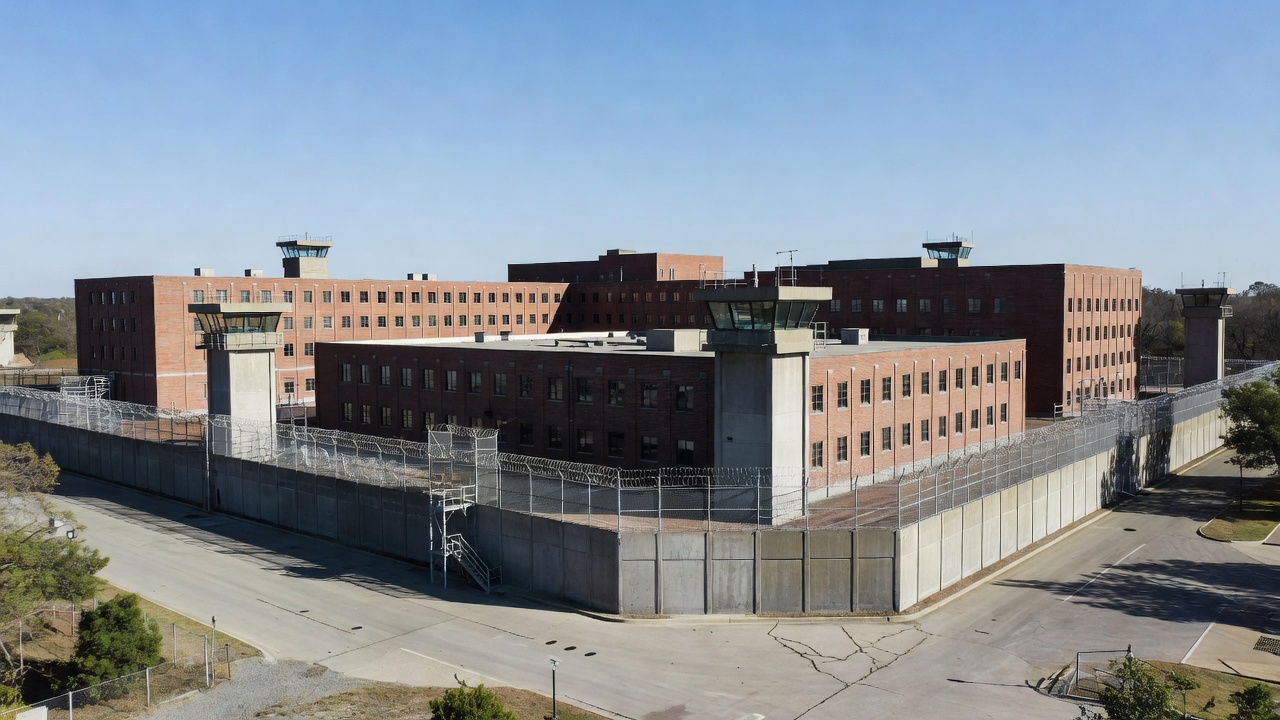
Michael Graczyk, a retired Associated Press reporter from Texas, said Tennessee’s attempt to execute Christa Pike stood apart from all the procedures he had covered after the inmate remained alive and responsive despite receiving two full doses of the lethal drug. “It seems to me it was just a matter of time,” Graczyk told BBC News, reflecting on complications he had seen before but never an outright survival following injection. According to witnesses who spoke to multiple outlets, Pike could be heard snoring loudly and even spoke during the process, at one point saying the vein in her arm felt like it was about to burst while curtains to the viewing area were repeatedly closed, blocking observation for long stretches.
Media accounts from The New York Times and local Tennessee reporters detailed how Pike, 50, had declared herself at peace in her final statement before the procedure began at Riverbend Maximum Security Institution. “I just want to say that I’m going to leave this world the way I spent most of my life, and that is with love,” Pike said, adding that she loved her haters as much as her supporters. The attempt followed a last-minute legal battle in which the U.S. Supreme Court cleared the way for it to proceed hours after a lower court issued a temporary stay, yet the process was abandoned after Pike maintained a heartbeat and breathing for more than 40 minutes following the second dose.
Pike was convicted in 1996 for her role in the 1995 torture and murder of 19-year-old Colleen Slemmer, a fellow student at a Knoxville Job Corps center, according to a New York Times account of the case. She and accomplices lured Slemmer into the woods, where the victim was slashed with a box cutter, had a pentagram carved into her chest and was struck in the head with a chunk of asphalt in an attack driven by jealousy over a boyfriend. Pike, who was 18 at the time, received a death sentence while her then-17-year-old boyfriend was spared capital punishment due to his age and sentenced to life in prison.
Attorneys for Pike have highlighted her background of childhood sexual abuse, neglect and resulting mental health conditions including bipolar disorder and post-traumatic stress disorder, elements they argue were not fully presented at her original trial. A Nashville Banner review of clemency materials noted that Pike was abused as a toddler and again as an adolescent, details that contributed to arguments she would likely not face execution if tried under current standards. The Death Penalty Information Center has observed that much has changed in how courts consider such mitigating factors in capital cases since the 1990s.
Women have made up just over 1 percent of all executions in the United States since 1976, when the Supreme Court reinstated capital punishment, with the Death Penalty Information Center recording 29 executions carried out nationally in 2026 up to this point. Tennessee has performed 17 executions since 1977, all of men, and had not executed a woman in more than two centuries prior to this attempt, according to historical compilations by the center and state records. The state switched to a single-drug pentobarbital protocol in 2025 following a review that uncovered repeated oversights in prior procedures, a New York Times analysis found.
Tennessee Governor Bill Lee directed a comprehensive independent review of the lethal injection process after the failure and suspended another scheduled execution for the remainder of the year, according to statements reported by The New York Times. Pike was transported to a hospital where she was listed in critical condition and receiving life-saving care as of October 1, her legal team said during a press conference. The episode adds to a series of troubled executions in the state, including one abandoned earlier in 2026 due to inability to locate a suitable vein.