ع
ع


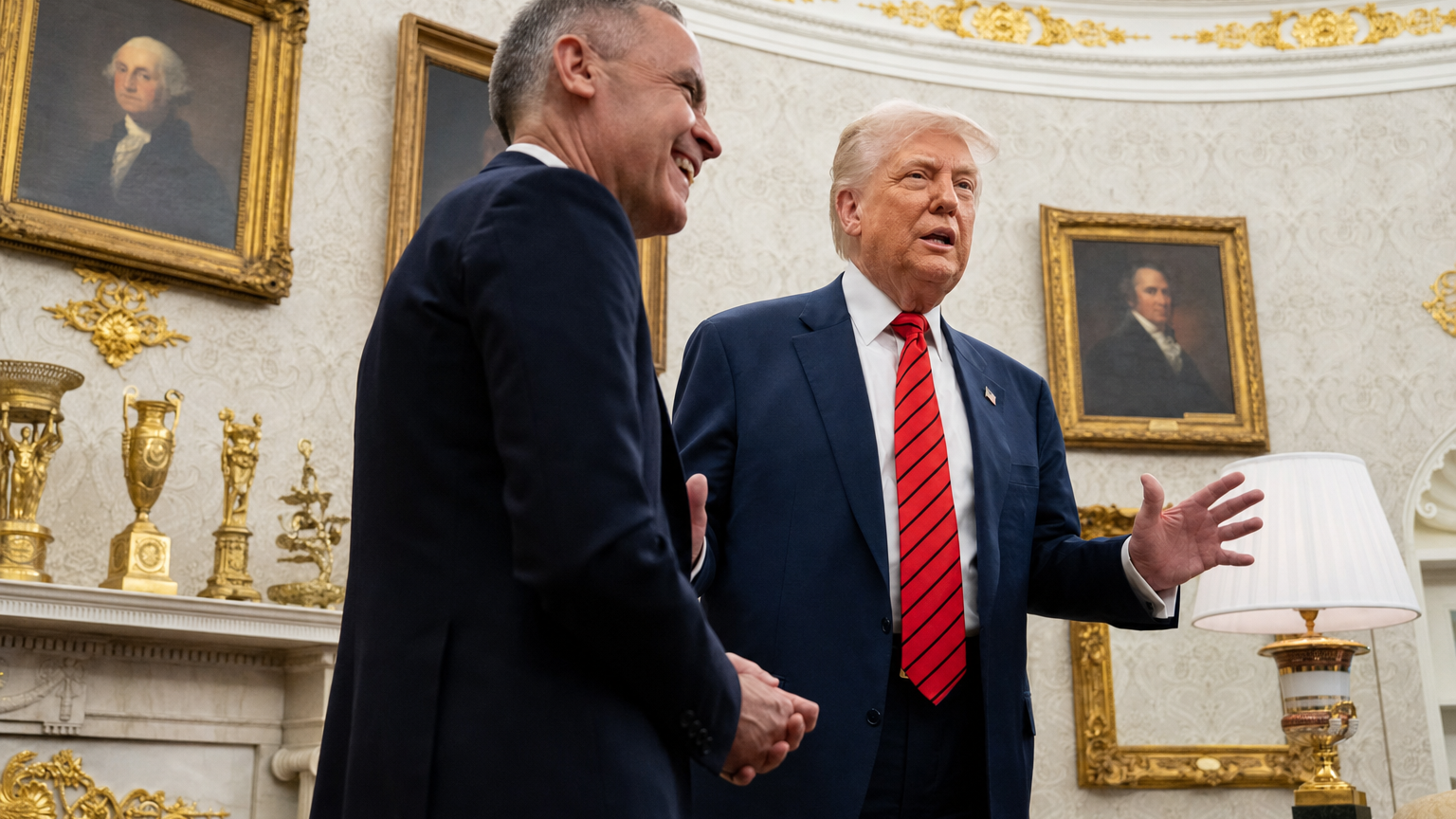
The US ban on Canadian alcohol and dairy comes into effect as trade war drags on with additional restrictions on motorcycles according to the White House. President Donald Trump signed proclamations on September 8 imposing the import prohibitions under Section 338 of the Tariff Act of 1930 in response to Canadian retaliatory tariffs that took effect earlier this month on approximately $20 billion of American goods. The bans effective from September 29 cover a range of spirits whey protein non-alcoholic beer malt beer and motorbikes among other items while some cheese products face heightened 50 percent tariffs instead of outright prohibition.
Canadian shipments of alcoholic spirits to the United States were valued at $687 million in 2025 with dairy at $269 million and motorbikes at $90 million UN data compiled by Trading Economics indicate. An assessment by Capital Economics places the overall impact at just 0.25 percent of Canada’s exports to its southern neighbor while Jacob Jensen at the American Action Forum calculated the banned imports at $967 million based on the prior year’s figures with alcohol accounting for 87 percent of that total. The measures apply regardless of USMCA origin status and in addition to existing Section 232 tariffs the White House fact sheet stated.
Canada had responded to earlier US 50 percent tariffs on $20 billion of its exports by implementing dollar-for-dollar countermeasures on products including steel clothing and furniture Prime Minister Mark Carney’s office stated. Speaking in a video posted on YouTube Carney said We have everything we need to pivot and prosper. That pivot will come at a cost. There’s always a cost to action. But it doesn’t come close to the cost of standing still. The Canadian leader has vowed to accelerate diversification of trade links including potential closer ties with the European Union short of full membership Reuters reported.
The latest escalation follows the collapse of trade talks last month and builds on US claims that Canadian policies discriminate against American alcoholic beverages dairy and motor vehicles. White House documents show US alcoholic beverage exports to Canada dropped 81 percent in the year through February 2026 after several provinces banned US products from store shelves while allowing imports from other nations. Imports from countries like those in the European Union rose to fill the gap increasing by more than $170 million over the comparable period according to administration figures.
Trade analyst Deborah Elms from the Hinrich Foundation told the BBC that while the ban could have a strong impact on individual Canadian businesses with US buyers broader economic consequences appear limited. The two-way annual trade between the United States and Canada totals around $880 billion rendering the affected volume a minor fraction US News reporting found. Canadian officials are now accelerating efforts to diversify trade partnerships as the dispute upends one of the world’s most integrated economic relationships.
The dairy sector has been a longstanding point of contention under the USMCA agreement with both sides accusing the other of unfair barriers a report from Farm Credit Canada noted. Canadian distillery exports to the US represented 46 percent of industry revenue in 2025 making the sector particularly vulnerable to the new prohibitions while whey exports to the US accounted for about 55 percent of Canada’s total in that category last year. A Wisconsin-focused analysis from university extension services projected potential milk price effects from lost dairy trade ranging from $0.10 to $0.50 per hundredweight depending on the duration and scope of the restrictions.