ع
ع


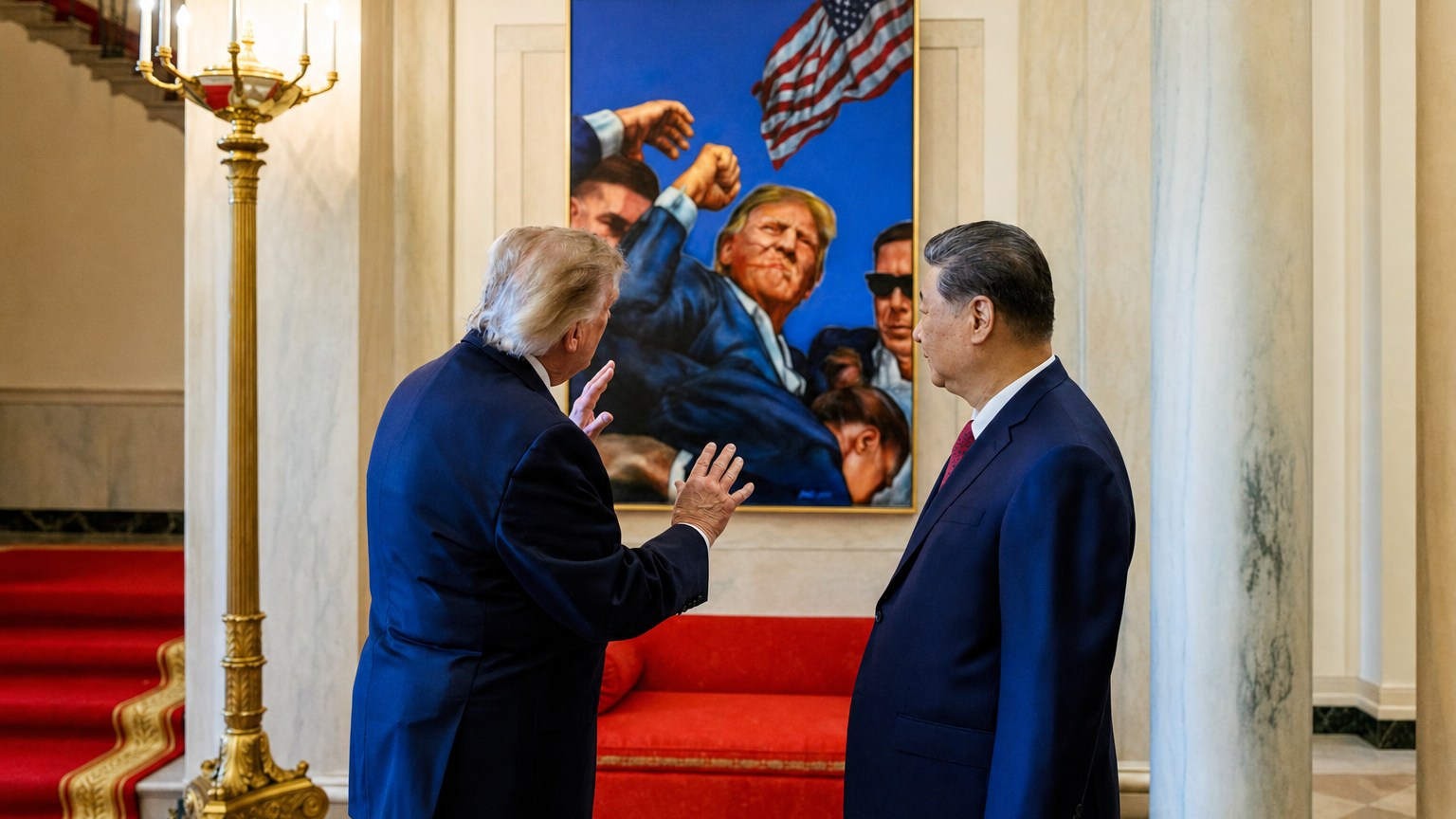
The White House factsheet on the September 2026 summit between President Donald Trump and Chinese President Xi Jinping listed an extension of the existing trade truce by two months to January 10 along with Chinese commitments to purchase at least 10 million metric tons of American coal each year in 2027 and 2028. According to the readout, both sides also established a bilateral board on investment and identified categories of non-sensitive goods that could see tariff relief. Chinese state media confirmed the truce extension for the first time on September 28 while emphasizing Xi’s calls for the United States to oppose Taiwanese independence and handle the issue with caution.
Beijing’s account of the talks highlighted Taiwan as a priority even though the White House factsheet made no reference to the island. A Council on Foreign Relations analysis released after the meetings noted that Xi had raised the matter directly with Trump as he did during their encounter in May. Trump told reporters afterward that the two leaders had not discussed Taiwan extensively and that the situation was moving along satisfactorily.
Discussions on artificial intelligence produced an agreement to launch a formal dialogue and establish a communications channel for safety incidents but exposed differences in terminology. The White House described the effort as focused on what Trump has termed “super intelligence” while Chinese statements continued to use the standard term for the technology. Bloomberg reported that the two readouts overlapped on only a handful of points despite the leaders spending less than 48 hours together in Washington.
No commitments emerged on easing American restrictions on advanced semiconductors or increasing Chinese exports of rare earth minerals to the United States, according to both governments’ summaries. Reuters Breakingviews described the outcome as disappointing for markets hoping for a more durable detente between the world’s two largest economies. The New York Times account of the summit noted that the events featured extensive pageantry including a state dinner but yielded few policy announcements on artificial intelligence, trade imbalances or regional conflicts.
The Trump administration separately stated that the two presidents had reached understandings on preventing Iran from acquiring nuclear weapons and keeping international waterways free of tolls. A CNBC analysis of the final statements quoted Shanghai-based consultant Peter Alexander saying the decision to issue separate readouts rather than a joint communique signaled ongoing competition for influence in the relationship. The leaders also agreed to meet again at the Asia-Pacific Economic Cooperation forum in China in November and at the Group of 20 gathering in Florida the following month.
Earlier talks between the two leaders in May had produced a one-year trade pause that took effect in November 2025, according to multiple diplomatic readouts compiled by The Guardian. The Council on Foreign Relations assessment found that the latest summit bought additional time without resolving core strategic differences or placing bilateral economic ties on a firmer long-term footing. Trump characterized the Washington meetings as productive while Chinese officials described them as constructive yet stopped short of declaring major breakthroughs.