ع
ع



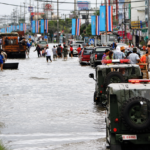
Bangkok Governor Chadchart Sittipunt signed an order declaring the entire city a disaster area on September 26 as heavy rainfall for a third straight day caused severe flooding in multiple districts. The designation which initially covered only Nong Chok Suan Luang and Khan Na Yao allows the Bangkok Metropolitan Administration and other agencies to respond more swiftly with coordinated relief measures. Sittipunt stated on social media that eastern Bangkok had been most affected with canals filled to capacity limiting drainage efforts even as pumping continued around the clock.
Nearly 300 millimetres of rain had accumulated since September 24 with some eastern areas recording more than 270 millimetres according to figures cited across Thai media outlets. The Thai Meteorological Department warned that heavy to very heavy rain would persist through September 27 raising risks of flash floods and mudslides in vulnerable zones. This deluge overwhelmed the capital’s drainage infrastructure sending water levels in major canals such as Saen Saep and Lat Phrao to critical points and backing up onto adjacent streets.
Reuters reported that social media videos captured cars inundated on flooded roads with emergency teams assisting stranded residents in several neighbourhoods. Major arteries including stretches of Lat Phrao Ram Intra Nawamin and Sukhumvit saw water depths ranging from 20 to 30 centimetres during evening rush hours the Bangkok Post detailed from local observations. Businesses near overflowing canals reported water entering premises while many households elevated belongings to avoid damage as the flooding spread.[[1]](https://www.reuters.com/business/environment/thai-capital-bangkok-declared-disaster-zone-amid-flooding-2026-09-26/)
A 67-year-old vendor living near a canal north of central Bangkok told The Straits Times that waters had reached waist level making it difficult to leave home or conduct daily activities. Some residents compared the scenes to the 2011 floods that devastated Thailand with hundreds of deaths and widespread economic disruption according to a Thai Meteorological Department summary of that year’s record rainfall which exceeded normal levels by 28 percent nationwide. The current event stems from a low-pressure system and monsoon trough that has brought persistent precipitation since Thursday afternoon.[[2]](https://www.straitstimes.com/asia/se-asia/bangkok-prepares-flood-disaster-declaration-for-all-50-districts)
The Bangkok Metropolitan Administration opened shelters prepared one million sandbags and directed district offices to survey and assist bedridden or vulnerable residents while offering free parking at MRT stations to ease road congestion. An emergency advisory urged people living near canals to move possessions to higher ground as a precaution against further rises in water levels. Sittipunt emphasised that authorities were doing their best under the circumstances even as inflows from neighbouring provinces added pressure to the system.
Water expert Chawalit Chantararat told Nation Thailand that flooding could continue until September 27 because daily rainfall of 100 to 150 millimetres was straining drainage networks and keeping major canals near overflow. The Royal Irrigation Department has gradually increased discharges from the Chao Phraya Dam to 1950 cubic metres per second to manage upstream volumes without exacerbating downstream conditions. Officials continue monitoring the situation as the declaration enables faster deployment of resources across all affected areas.