

 ع
ع


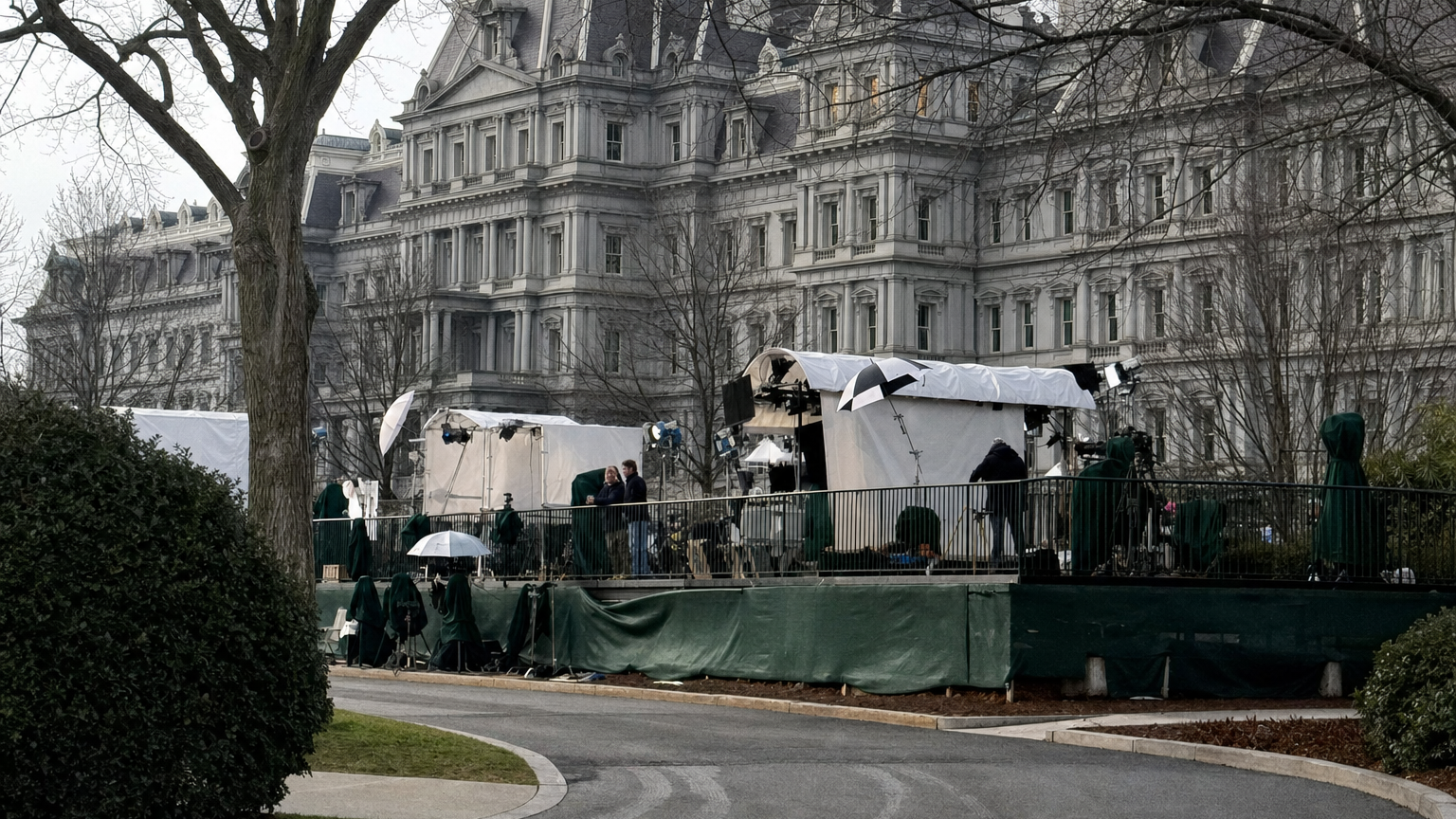
Reporters from CNN, MS NOW and Politico found themselves barred from the White House on Thursday morning despite an overnight federal court order demanding their immediate readmission, according to separate accounts published by the three organizations. CNN said correspondent Betsy Klein was refused entry even after repeated attempts to use her credential, while a producer from the network managed to gain access under unclear circumstances. MS NOW White House correspondent Laura Barrón-López had her pass confiscated by Secret Service officers, and a Politico journalist reported a similar denial with the credential seized, prompting the outlets to file an emergency motion accusing the administration of defying U.S. District Judge Timothy Kelly’s directive.
Judge Kelly issued the temporary restraining order in the early hours of September 24 after the organizations filed a joint lawsuit, ruling that the ban likely violated the journalists’ due process rights because they received neither advance notice nor a chance to contest the revocation beforehand, according to the eight-page opinion reviewed by Reuters. The judge expressed skepticism about the administration’s national security claims, writing that nothing in the predating record suggested such motivation and that President Donald Trump had instead focused on the outlets’ alleged lack of truthfulness and negative coverage when announcing the action on September 18. Kelly, a Trump appointee from 2017, determined the three organizations met the high bar for emergency relief and blocked enforcement of the ban for 14 days while litigation continues.
The dispute began when Trump declared via social media that CNN, MS NOW and Politico would be barred from the White House effective immediately, a move that led Secret Service officers to confiscate hard passes from journalists attempting entry the following Saturday, as detailed in a New York Times account of the sequence. The ban affected roughly 78 journalists across the three outlets, according to figures cited in Politico’s coverage of the ruling. The news organizations filed suit two days later, contending that the selective revocation based on content amounted to unconstitutional viewpoint discrimination under the First Amendment.
During a Wednesday hearing, the Justice Department maintained that White House access constitutes a privilege rather than an entitlement and that the president retained authority to suspend it for reasons including protection of national security, court records filed ahead of the session show. Kelly questioned whether the process followed precedents from the U.S. Court of Appeals for the District of Columbia Circuit requiring meaningful opportunity to respond before credential revocation, Reuters reported from the proceedings. The judge gave the government until midday Thursday to reply to the outlets’ emergency filing after the continued denials came to light.
The episode has drawn parallels to a 2018 case in which Kelly ordered the restoration of CNN correspondent Jim Acosta’s pass after a similar abrupt revocation, according to multiple legal analyses including one published by Bloomberg Law. In response to the latest ban, other news organizations scaled back coverage in solidarity, with The New York Times, The Washington Post and NPR among those limiting use of photos, audio or pooled television feeds from White House events, The New York Times reported. Attorney Theodore Boutrous Jr., representing the plaintiffs, called the initial ruling a strong vindication of press freedom, due process and the rule of law in a statement relayed by CNN.
The White House had not issued any comment on either the court order or the morning’s access denials as of early Thursday afternoon, according to inquiries logged by Reuters and PBS News. Kelly has scheduled expedited briefing on a preliminary injunction, meaning the 14-day window will allow time for fuller arguments on whether the ban should be permanently enjoined. The developments mark one of the most direct confrontations between the Trump administration and major news outlets since the president took office earlier in 2025.