ع
ع

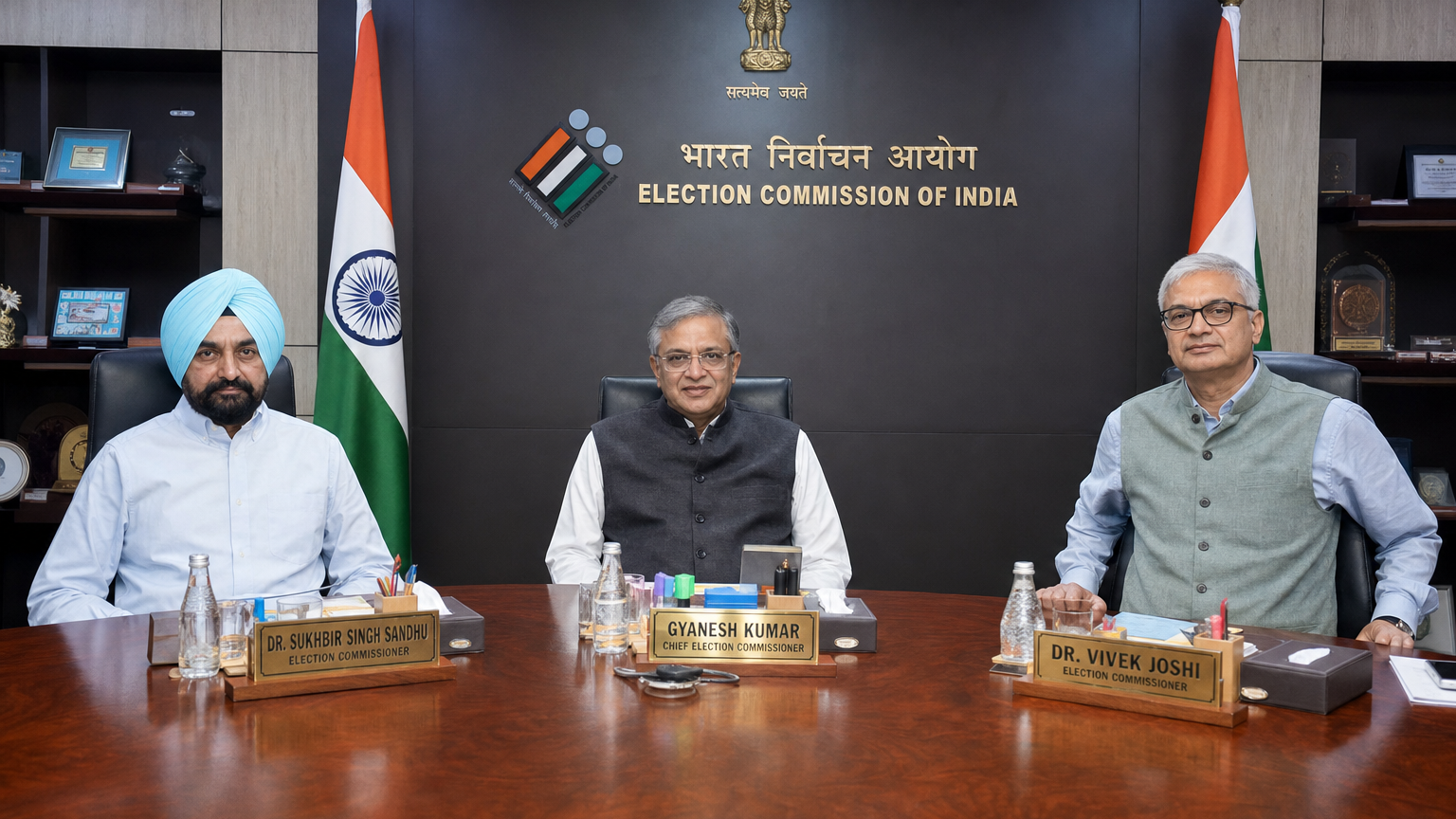
An investigation by The Indian Express revealed that Election Commissioners Sukhbir Singh Sandhu and Vivek Joshi formally objected on record at least 14 times over a 10-month period to decisions on the Special Intensive Revision of electoral rolls.
The report detailed concerns over alterations to Form 6 for new voter enrolment, the deletion and restoration of names, and the centralisation of the voter database, some of which the commissioners said occurred without their knowledge.
In one case the pair wrote to the government’s chief secretary to register their unease, according to internal documents reviewed by the newspaper.
The Special Intensive Revision began in Bihar in June 2025 before expanding to other states, resulting in the removal of millions of names from the rolls across the country.
West Bengal saw some 27 lakh deletions, many triggered by software-flagged logical discrepancies that later appeals showed to be flawed, The Hindu reported.
More than nine in 10 decided appeals against deletion led to restorations, suggesting widespread errors in the initial purge.
Opposition leaders moved quickly to demand Kumar’s resignation, with Congress MP Rahul Gandhi accusing the Election Commission along with the BJP and RSS of vote theft and an attack on the Constitution.
West Bengal Chief Minister Mamata Banerjee called for Kumar’s arrest and fresh state polls using the pre-revision list while Aam Aadmi Party figures sought his prosecution, citing the internal rift as evidence of illegality.
Former Election Commissioner O P Rawat described the claims to The New York Times as very serious and unprecedented if verified, urging an official inquiry into the process.
Rawat highlighted that tribunals had reinstated the overwhelming majority of challenged deletions in states such as West Bengal, pointing to systemic problems in how the revision was conducted.
The Election Commission stated that internal observations and technical concerns are routine during deliberations and do not undermine the unanimous nature of its final decisions.
In its response to the report the authority insisted the Special Intensive Revision targeted duplicates and ineligible entries while maintaining full compliance with legal requirements across all reforms implemented in the past year.
Opposition Demands Resignation of India’s Chief Election Commissioner Amid Voter Roll Rift


Continental Bulletin NewsDesk is the desk responsible for Continental Bulletin's daily news coverage, monitoring and reporting developments across the Gulf from official sources, including national news agencies and government communications. Its focus is accurate, timely and factual coverage of the region.