ع
ع


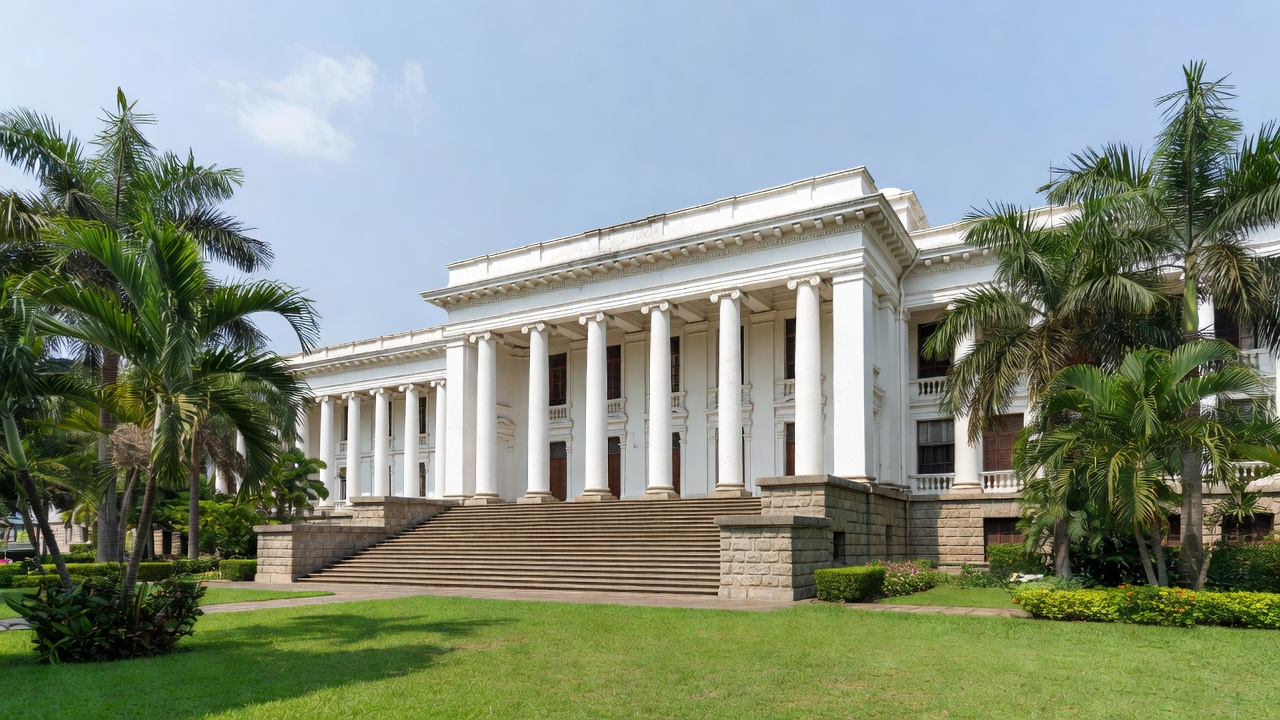
The Colombo Permanent High Court Trial-at-Bar found 15 defendants guilty on charges that included conspiracy, aiding and abetting terrorism, collecting arms and ammunition, and attempted murder under the Prevention of Terrorism Act, according to reporters covering proceedings for Ada Derana and the Daily Mirror. Nine others were acquitted and ordered released immediately following the verdict delivered by the three-judge bench of Justices Navaratne Marasinghe, Ramanathan Kannan and Sujeewa Nishshanka. The case against Naufer Mawlawi, identified by prosecutors as a central figure, and 23 co-defendants stemmed from an original indictment of 25 suspects, one of whom died in custody, with more than 23,270 separate charges examined during the trial.
Sentencing for the 15 convicted men is scheduled for later on September 22, the Sri Lanka Guardian reported after monitoring the courtroom announcement. Evidence recording for both prosecution and defence wrapped up on August 24 following almost daily hearings that began in late 2022 after earlier delays linked to translation issues and legal representation. A total of 2,309 prosecution witnesses provided testimony in what local outlets described as one of the largest criminal cases in the country’s history.
The attacks on April 21 2019 involved suicide bombers striking three churches during Easter services and three luxury hotels, mainly in Colombo, according to an Associated Press account of the events. Investigators attributed the coordinated assault to the National Thowheed Jamaath, a homegrown Islamist extremist group inspired by the Islamic State, which claimed responsibility for the deadliest violence in Sri Lanka since the end of its civil war in 2009. Official counts placed the death toll at 269 people, including more than 40 foreign nationals, with over 500 others wounded, a toll that a Wikipedia compilation cross-referenced from multiple government and media sources listed as high as 278 when including the nine bombers themselves.
In a separate proceeding concluded last month, the same court sentenced former police chief Pujith Jayasundara and former defence ministry secretary Hemasiri Fernando to death for criminal negligence after determining they had failed to act on repeated intelligence warnings about the impending attacks, Al Jazeera reported in its coverage of the ruling. Those death sentences are expected to be commuted to life imprisonment in line with Sri Lanka’s longstanding moratorium on executions that has been in place since 1976, according to statements from government officials cited by the news outlet. Both men have the right to appeal the outcome to the Supreme Court.
A continuing investigation has focused on possible broader involvement in the attacks, with former state intelligence chief Suresh Sallay arrested in February 2026 on suspicion of conspiracy and aiding the bombings, The Morning newspaper noted in its review of related cases. Public Security Minister Ananda Wijepala told parliament earlier this year that the assaults formed part of a wider plot with roots dating back to 2017, though that inquiry remains separate from the trial concluded on Tuesday. Victims’ families have maintained sustained pressure through protests and court attendance to secure accountability across all strands of the investigations.
The trial proceedings included acceptance of multiple confessions and marking of more than 2,000 pieces of evidence ranging from bomb-making materials and firearms to explosives and swords, Newswire detailed in its preview of the verdict. Prosecutors built the case around links between the defendants, many of them relatives or associates of the suicide bombers, and the planning and logistical support for the assaults. All defendants had denied the allegations throughout the process that tested the judicial system’s capacity to handle complex terrorism-related litigation.