

 ع
ع


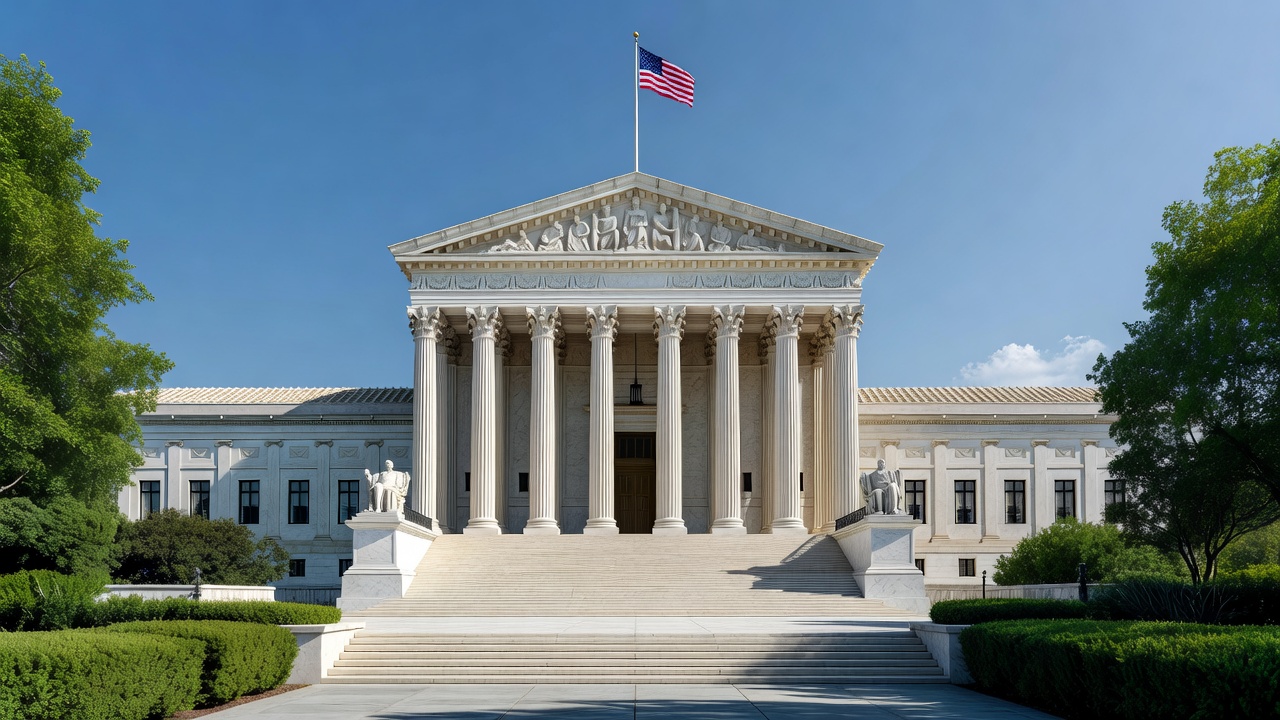
The Supreme Court on Monday left in place a federal judge’s injunction against new mail-in ballot processing rules that the Trump administration had directed the US Postal Service to implement, according to a Politico report on the emergency docket decision. The ruling means the changes will not apply in time for the November midterm elections, sparing election officials from last-minute adjustments that could have affected ballot delivery for millions of voters. Justice Brett Kavanaugh concurred in the outcome while noting that state and local election officials lacked sufficient time to implement the rule before voting begins.
President Donald Trump signed an executive order in March that instructed the Postal Service to deliver ballots only to voters on specific lists of verified citizens as part of an effort to address what he described as vulnerabilities to fraud, a Reuters dispatch indicated. Federal judges in separate rulings determined that the measures risked disenfranchising eligible voters and came too close to the election to be enacted without disruption. US District Judge Indira Talwani specifically found that applying the rule for the 2026 elections would be arbitrary and capricious.
The appeals court declined to lift the injunction last week, setting the stage for the Supreme Court’s intervention on the Trump administration’s request for emergency relief, an Associated Press account detailed. Justices Samuel Alito and Clarence Thomas dissented from the decision to maintain the block, writing that the legal challenge to the order amounted to a long-shot effort unlikely to prevail on the merits. Most of the majority justices did not issue a detailed opinion explaining their vote to deny the administration’s bid.
This latest ruling forms part of a series of court decisions checking the president’s push to limit mail voting, including a separate 5-4 Supreme Court decision in June that allowed states to count late-arriving ballots postmarked by Election Day, according to an AP News analysis. That earlier case upheld a Mississippi law providing a five-day grace period and applies to practices in roughly 14 states plus the District of Columbia. Justice Amy Coney Barrett authored the majority opinion in the June case, which was joined by Chief Justice John Roberts and the three liberal justices.
Mail-in ballots have grown in popularity since the 2020 presidential election, when Pew Research Center data showed they accounted for 46 percent of all votes cast nationwide amid the COVID-19 pandemic. The Election Assistance Commission has reported that many states expanded access to absentee voting in subsequent cycles, with participation rates remaining elevated compared with pre-pandemic levels. Trump has continued to argue that such methods enable fraud despite repeated findings by courts, his former attorney general and state officials that widespread irregularities did not occur.
A federal judge in Boston blocked implementation of the executive order on June 25, citing the potential for rushed and sloppy execution by the Postal Service that could lead to ballots going undelivered, a whistleblower assessment referenced in AP coverage noted. Voting rights organizations have welcomed the Supreme Court’s action as preserving access for overseas, military and domestic voters who rely on mail options. The president responded to related setbacks by calling for Congress to pass the SAVE America Act, which aims to impose stricter national standards on mail voting.