ع
ع


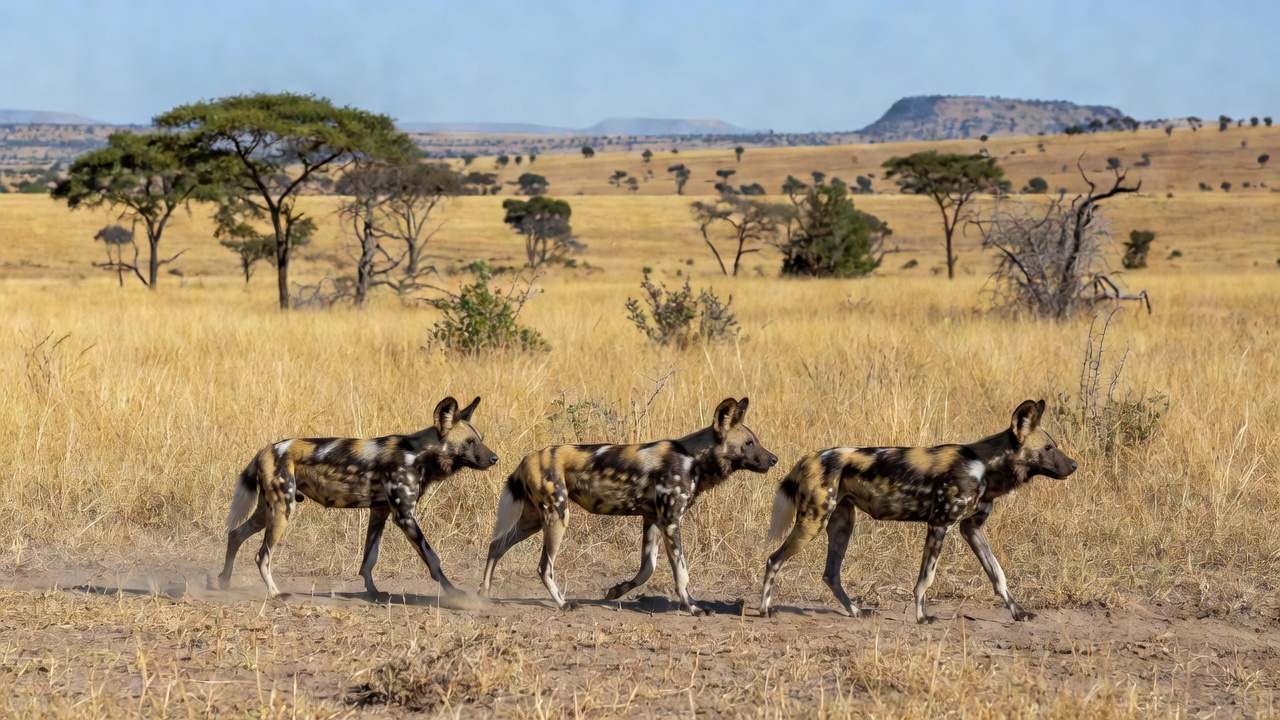
The Zambian Carnivore Programme fitted GPS collars to 19 wild dog groups and documented three males from Kafue National Park that traveled 4,126 kilometres over nine months before settling in a game management area between South Luangwa and Lower Zambezi national parks by April 2026. Study co-author Matt Becker told Mongabay the animals zigzagged through human-shaped landscapes while avoiding major cities and other obstacles. The journey marks the longest recorded dispersal for wild dogs and the farthest movement by any African land mammal seeking a mate. Becker added that the males appear to have established a territorial range though the exact details of their new pack remain under observation.
Researchers from the Zambian Carnivore Programme reported that four additional groups from the tracked cohort came within a few kilometres of the borders with Angola, the Democratic Republic of Congo, Malawi and Zimbabwe. The programme’s data indicate that wild dog populations across Southern and Eastern Africa maintain connections through such long-distance movements. Similar dispersals have been recorded in Botswana, Tanzania and Zimbabwe in earlier studies, according to the research team.
The International Union for Conservation of Nature lists African wild dogs as endangered with between 3,000 and 5,500 individuals remaining. A 2019 study in northern Botswana that followed 16 dispersing coalitions found mean cumulative dispersal distances of 548 kilometres with some animals covering up to 1,242 kilometres before settling. That earlier research, published in the Journal of Applied Ecology, showed human-populated areas posed the main barriers to movement while natural features had little impact.
Not all wild dogs in the Zambian tracking programme survived their journeys, the Zambian Carnivore Programme reported. One female that set out with two sisters from South Luangwa National Park in 2021 covered more than 2,300 kilometres including into Mozambique before dying in a snare set for antelope in a Zambian game management area. The programme’s assessment found that surviving pack members often returned repeatedly to the same location, a pattern that typically signals the death of a companion.
Nyambe Nyambe, executive director of the Kavango-Zambezi Transfrontier Conservation Area secretariat, stated that conserving and improving landscape connections enables species such as wild dogs to sustain themselves. The Zambian Carnivore Programme noted that the record trek demonstrates the endurance of these animals even as habitat fragmentation increases across the region. Matt Becker emphasised that the findings highlight the value of transboundary conservation areas in maintaining genetic flow between isolated populations.
African wild dogs live in packs that average seven to 15 members with only the dominant male and female pair permitted to breed, according to long-term species monitoring by regional conservation groups. Dispersal coalitions usually consist of same-sex siblings that leave their natal pack to seek mates and establish new territories. The behaviour helps prevent inbreeding and supports population viability across fragmented landscapes, previous analyses from the Wildlife Conservation Society have shown.