ع
ع


The footage, which U.S. authorities possessed shortly after the 2001 attacks, has become central evidence in the long-running litigation and received its first public airing through a BBC investigation. One clip captures al-Bayoumi in an embrace with al-Awlaki in January 1998, while another depicts the pair paintballing near San Diego with a representative of Saudi Arabia’s Ministry of Islamic Affairs. A separate video records al-Bayoumi in multiple meetings with ministry preachers and officials, including at SeaWorld with one carrying a clipboard. According to the BBC, these images stand in direct opposition to al-Bayoumi’s repeated assertions over 25 years that he held no extremist views or connections to Saudi intelligence while living in the United States as a student.
Plaintiffs in the case argue that Saudi Arabia provided material support to al-Qaeda and that al-Bayoumi specifically assisted hijackers Nawaf al-Hazmi and Khalid al-Mihdhar after their arrival in California by securing housing and other aid. The lawsuit, which seeks around $1 trillion in damages from the kingdom on behalf of thousands of victims’ families, insurance companies and businesses, contends this assistance formed part of a broader network linked to the Ministry of Islamic Affairs. A federal judge ruled in August 2025 that the evidence created a high probability of Saudi employees’ deliberate roles in aiding the hijackers, allowing claims under the Justice Against Sponsors of Terrorism Act to advance toward trial, AP News reported.
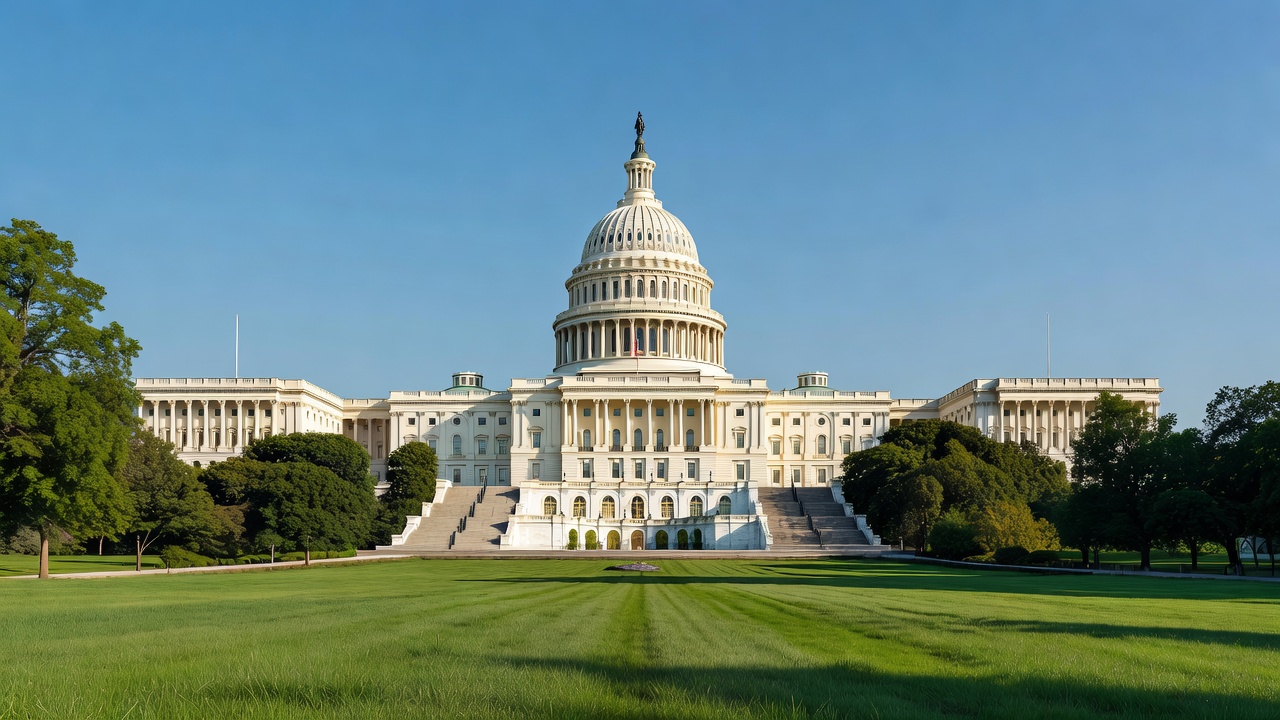
Additional materials seized from al-Bayoumi’s residence in Birmingham, England, by British police less than two weeks after the attacks included a 1999 video of him filming the U.S. Capitol while narrating references to a “plan,” which plaintiffs interpret as target reconnaissance. Court records also reference a notepad containing a sketch of an airplane alongside mathematical calculations for descent rates, recovered alongside thousands of pages of documents and hours of other recordings. STL News detailed how these items, passed to U.S. investigators, have fueled renewed scrutiny nearly 25 years after the attacks that killed 2,977 people.
A video from February 2000 shows al-Bayoumi hosting a gathering in San Diego for community members shortly after the two hijackers moved into his apartment complex, with plaintiffs identifying 29 attendees including known extremists and Saudi officials. The full footage, which plaintiffs say depicts a “welcome party” that provided a support cocoon for the hijackers, includes images of one hijacker assisting in the event. CNN coverage from updated reporting on the litigation noted that earlier analyses, including by the 9/11 Commission, had identified far fewer participants and overlooked key Arabic conversations.
Brett Eagleson, whose father died in the South Tower on 9/11 and who serves as a families’ spokesperson, said, “What these videos and what this evidence suggests and proves is that Bayoumi was in constant contact with higher and more senior Saudi government officials.” The New York Post reported on September 5, 2026, that oral arguments in the appeals court are scheduled for October 7, where judges will examine the links between the videos, Saudi intelligence and the attacks. Saudi Arabia has denied any involvement, stating that the paintball video does not indicate who filmed it and that al-Bayoumi’s actions were consistent with those of a civilian.
Al-Bayoumi, who left the United States for the United Kingdom about a year before the attacks and was later questioned without charges, has maintained in 2021 deposition testimony that he never met al-Awlaki. The video evidence contradicting that statement became available to the court in 2022 and reached the public docket on September 4, 2026. ProPublica has tracked how such discoveries from British legal proceedings have undermined earlier assessments that Saudi officials assisted the hijackers unwittingly.