ع
ع


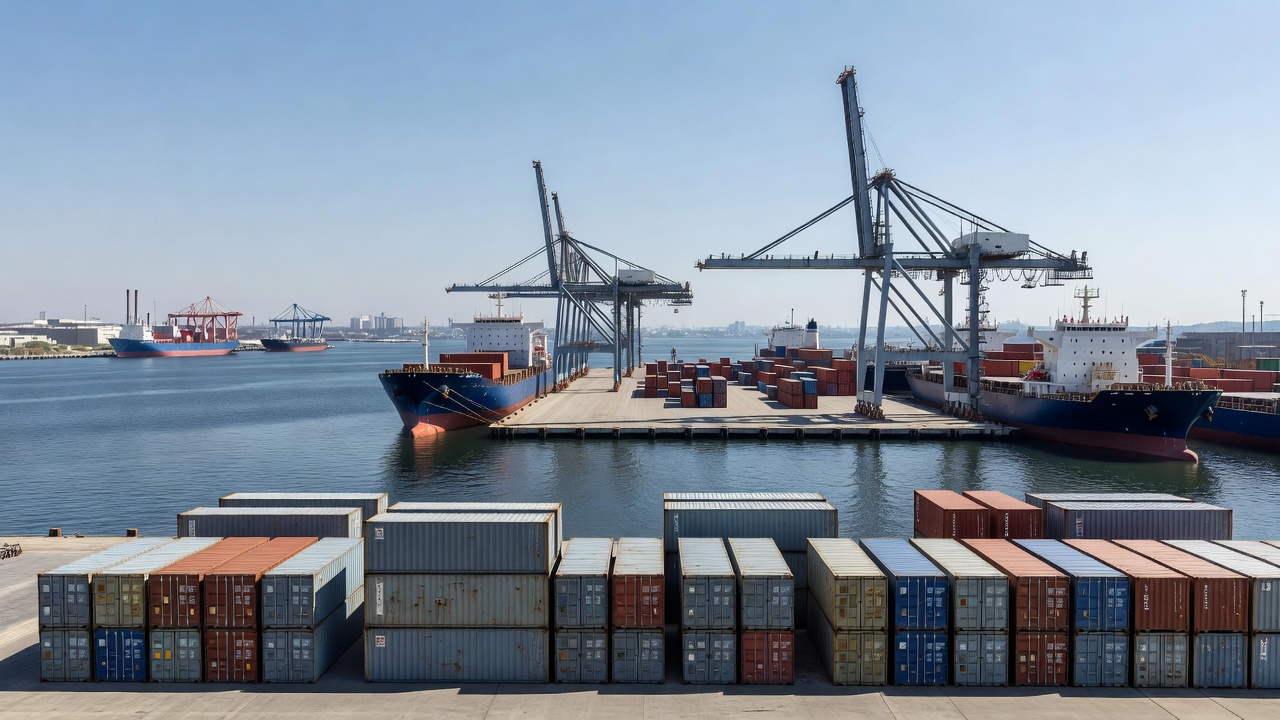
The Canadian government announced retaliatory tariffs on almost C$28 billion of US imports effective September 8, matching the American rates of up to 50 percent on a range of goods from steel to consumer products, according to a government statement. The measures target items that align with those hit by Washington in an effort to apply pressure on key American industries and political constituencies. Canadian authorities have also allocated billions of dollars in aid to support workers and businesses impacted by the dispute, a move intended to mitigate domestic fallout from the tariffs. Officials described the package as proportionate while leaving room for additional steps if needed.
The trade conflict has already taken a toll on Canadian sectors such as steel, aluminum, lumber and autos, with exports in some areas dropping by as much as 50 percent since initial tariffs took hold in 2025, Bank of Canada data shows. An analysis by University of Calgary economist Trevor Tombe estimated that the latest round could lead to the loss of up to 90,000 jobs across the country. Oxford Economics projected that the combination of US and Canadian tariffs would reduce Canadian GDP by 0.3 percentage points in 2027 while increasing consumer prices by a similar margin. The effects remain concentrated in manufacturing hubs in Ontario and Quebec.
Despite the asymmetry, with 72 percent of Canadian exports heading to the United States compared to just 1 percent of American GDP tied to Canadian trade, Ottawa holds certain advantages in commodities, a Council on Foreign Relations assessment found. Canada supplies about 60 percent of US crude oil imports and nearly all of its natural gas, according to US Energy Information Administration figures. Ontario Premier Doug Ford has indicated that an energy surcharge or restrictions on potash exports remain on the table, stating that President Trump underestimates Canadian resolve in the matter. AP News reported that Trump has acknowledged the desperate US need for Canadian aluminum despite imposing tariffs on the metal.
Critical minerals represent another area of potential leverage, as Canada possesses significant reserves of lithium, nickel and graphite that are vital for US industries, RBC Economics noted in a recent report. Canadian officials have stopped short of deploying these tools immediately but have signaled they could be used if the conflict escalates further into 2027. This approach reflects a strategy of calibrated responses aimed at encouraging negotiations rather than full economic decoupling, according to trade policy specialists.
Canadian businesses have begun adapting by seeking new markets, with Bank of Canada statistics indicating increased exports to non-US destinations since early 2025. Prime Minister Mark Carney has pledged to double non-US exports over the next decade as part of a broader diversification push. One Toronto-based apparel company reported shifting focus to European buyers who have shown support for Canadian products amid the dispute, according to accounts gathered by regional outlets.
The average effective US tariff rate on Canadian goods has risen to around 6 percent following the latest measures, up from historic lows, according to Royal Bank of Canada figures. Both sides have expressed willingness to return to talks, but the impasse over border security, dairy access and other issues persists. Economists warn that prolonged uncertainty could deter investment and disrupt integrated North American supply chains that have developed over decades. Bloomberg noted that the abrupt end to recent negotiations has prompted further escalation including new naming disputes over shared geographic features.