ع
ع


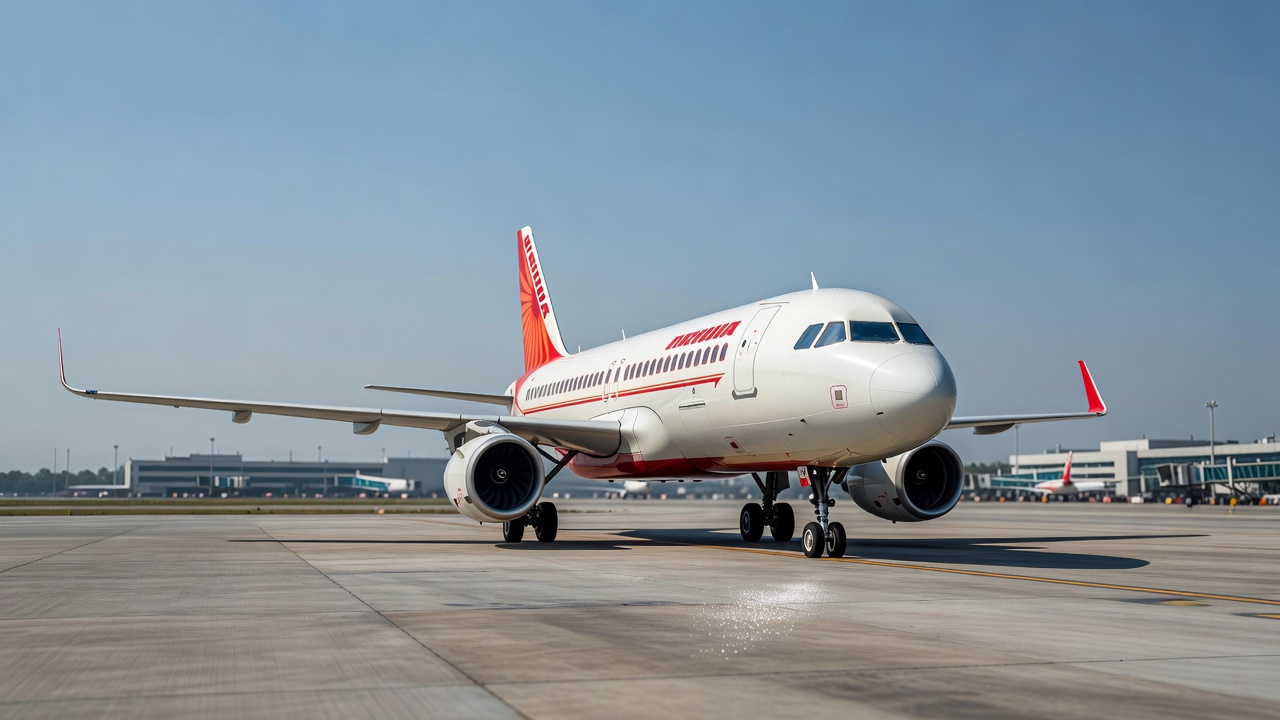
The sudden altitude loss on an Air India flight from Phuket to Delhi on 4 August 2026 has drawn fresh attention to pilot screening procedures after the captain reportedly tested positive for cannabis according to sources cited by Reuters and NDTV. The Airbus A320 carrying 137 passengers dropped about 300 feet injuring 13 passengers and four crew before landing safely. Captain Sudeep Vashistha underwent routine post-incident testing that initially flagged psychoactive substances with a confirmatory laboratory result indicating marijuana although the airline has yet to issue an official statement on the matter. NDTV further reported that Vashistha had previously tested positive twice for the substance and mentioned difficulties sleeping during his layover for which he was taking medication.
Air India has since directed full-scale mandatory drug screening for its entire pilot cadre beginning 13 August going beyond standard requirements an internal memo reviewed by Reuters indicated. The directive calls for testing of all group pilots for any prohibited substances or medications. This step follows the incident and is intended to address immediate safety concerns within the organisation. The carrier’s existing protocols already aligned with national rules but the expansion signals a proactive shift in response to the event.
India’s Directorate General of Civil Aviation has mandated that airlines conduct random testing on at least 10 percent of pilots and air traffic controllers each year for psychoactive substances since introducing the requirement in 2022 according to DGCA guidelines. A positive confirmatory test typically results in grounding potential rehabilitation and a lengthy recertification process that can span several months. The regulator has emphasised that toxicology findings and impairment remain distinct issues meaning a positive result alone does not prove causation in any specific incident.
Scientific research dating back decades has demonstrated that cannabis can impair complex tasks such as piloting for up to 24 hours after use. A 1991 study led by Vernon Leirer and published in Aviation Space and Environmental Medicine found that seven of nine pilots showed performance deficits in a simulator 24 hours after smoking a moderate dose with most unaware of their reduced capabilities. Similarly a review prepared for Australia’s Transport Safety Bureau by aviation medicine specialist David Newman concluded that cannabis affects psychomotor skills attention and cognition in ways particularly detrimental to flying.
More recent work has complicated the picture by showing poor correlation between detectable THC levels and actual impairment. Thomas Marcotte’s 2022 randomised trial at the University of California San Diego published in JAMA Psychiatry tested regular cannabis users on a driving simulator and determined that performance returned to baseline after roughly four and a half hours despite lingering metabolites. Marcotte has noted that unlike alcohol THC clears the bloodstream rapidly while remaining detectable for days or weeks in frequent users long after any acute effects have faded.
A 2026 study by the US National Transportation Safety Board found that more than half of pilots killed in civil aviation accidents between 2018 and 2022 had at least one drug in their system with THC driving much of the rise in detections yet the board cautioned against equating presence with impairment at the moment of the crash. Canada has adopted a 28-day abstinence rule for aviation personnel following cannabis legalisation to sidestep these detection uncertainties. In the Air India case investigators must still determine the precise timing of consumption concentration levels and any causal role in the altitude drop.
An analysis titled “Air India pilot’s reported cannabis test: What it can and can’t tell investigators” underscores that while a positive test confirms exposure it cannot by itself establish whether the pilot was impaired during the flight or if that impairment contributed to the incident. The inquiry continues to examine technical medical and human factors in parallel. Additional data from the flight recorders and crew interviews will prove critical in reaching any final determinations.