ع
ع


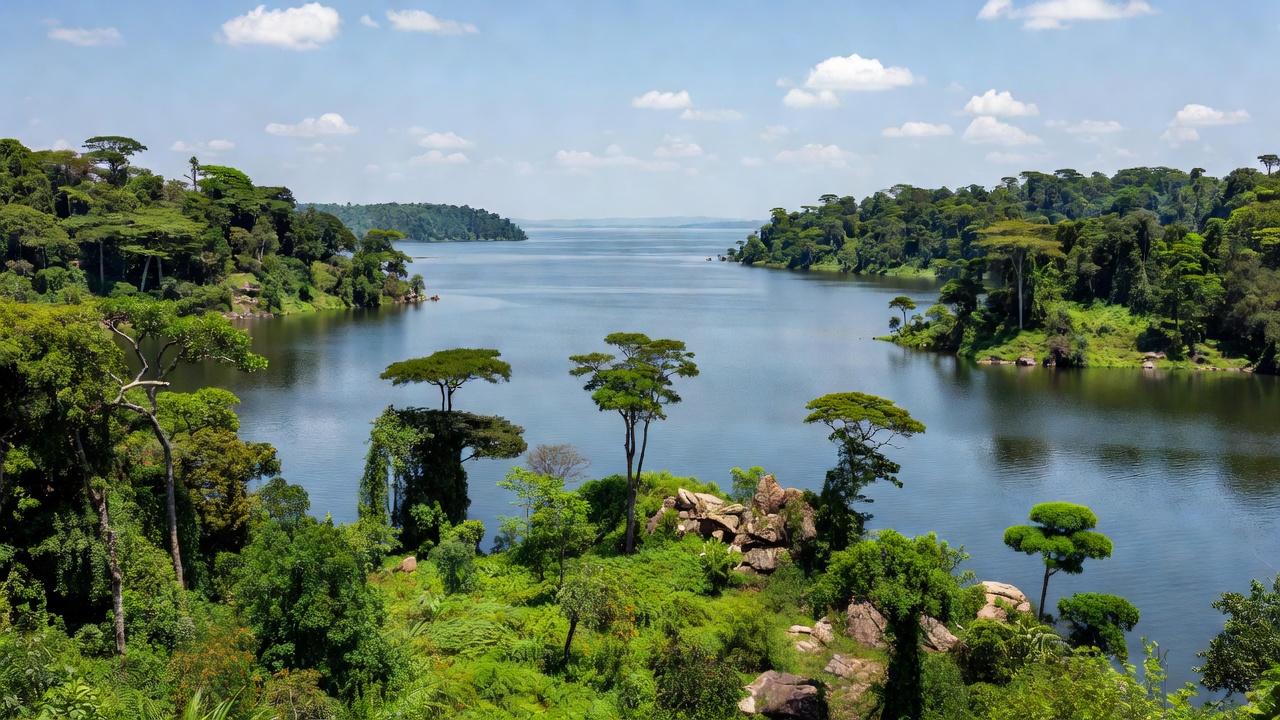
Nigerian security forces rescue more than 300 abductees in a coordinated intelligence-led mission that freed 308 people from a forest hideout in Niger State’s Kainji Lake National Park, according to a presidential statement. The rescued group comprised 163 residents taken from Woro community in Kwara State’s Kaiama local government area during a February assault and 145 others seized in separate attacks in Niger State. All those freed were transferred to a military facility for medical evaluation ahead of reuniting with their families, the statement added. Officials have not disclosed whether any suspects were detained during the raid.
The operation was directed by the National Counter-Terrorism Centre in conjunction with the armed forces, Department of State Services and Nigeria Police Force, a framework that President Bola Tinubu hailed as evidence of enhanced inter-agency coordination. Special adviser Bayo Onanuga issued the statement in which he quoted the president as warmly welcoming the outcome and labelling it the largest single-day rescue ever mounted by Nigerian security agencies. “President Bola Ahmed Tinubu warmly welcomes the successful rescue of 308 Nigerian citizens who were abducted in different attacks in Niger and Kwara states,” Onanuga said. Tinubu called for stronger early warning systems to avert similar incidents in the future.
The 163 individuals from Woro were among 176 abducted in the February 3 attack on the community, during which around 200 residents were killed, according to an Amnesty International assessment. Many of the dead were discovered with hands and feet tied, some with throats slit and others shot, the rights organisation reported. Attackers had sought to compel villagers to renounce the Nigerian government and constitution in favour of their own teachings, government accounts stated at the time. Authorities attributed the raid to Boko Haram although the group issued no claim of responsibility.
SBM Intelligence documented 7,568 abductions across Nigeria in the past year, during which 1,056 people died in related incidents and kidnappers demanded the equivalent of more than $6 million in ransoms, according to the Nigerian consulting firm’s report. Amnesty International separately recorded at least 1,100 people abducted in northern Nigeria between January and April 2026. The SBM analysis attributed the surge to high unemployment and corruption that have turned kidnapping into a lucrative criminal industry.
ACLED data shows that mass kidnappings have spread into southern states such as Oyo, where dozens of students and a teacher were seized in May 2026, while more than 400 kidnapping events have been logged in the North West region this year. The conflict monitoring project noted that Nigeria represented more than half of all abductions linked to organised political violence across West Africa from 2019 to 2023. A separate operation earlier freed 44 pupils and teachers in Oyo State after more than 50 days in captivity, local reports indicated at the time.
The Institute for Security Studies has tracked more than 1,680 students abducted nationwide since the 2014 Chibok incident, with Boko Haram alone responsible for around 400 abductions in 2024 according to its figures. Forested national parks such as Kainji Lake have frequently served as hideouts for criminal gangs and insurgents, a pattern noted in multiple security assessments. The latest rescue adds to a series of operations that have targeted such locations in recent months.