

 ع
ع


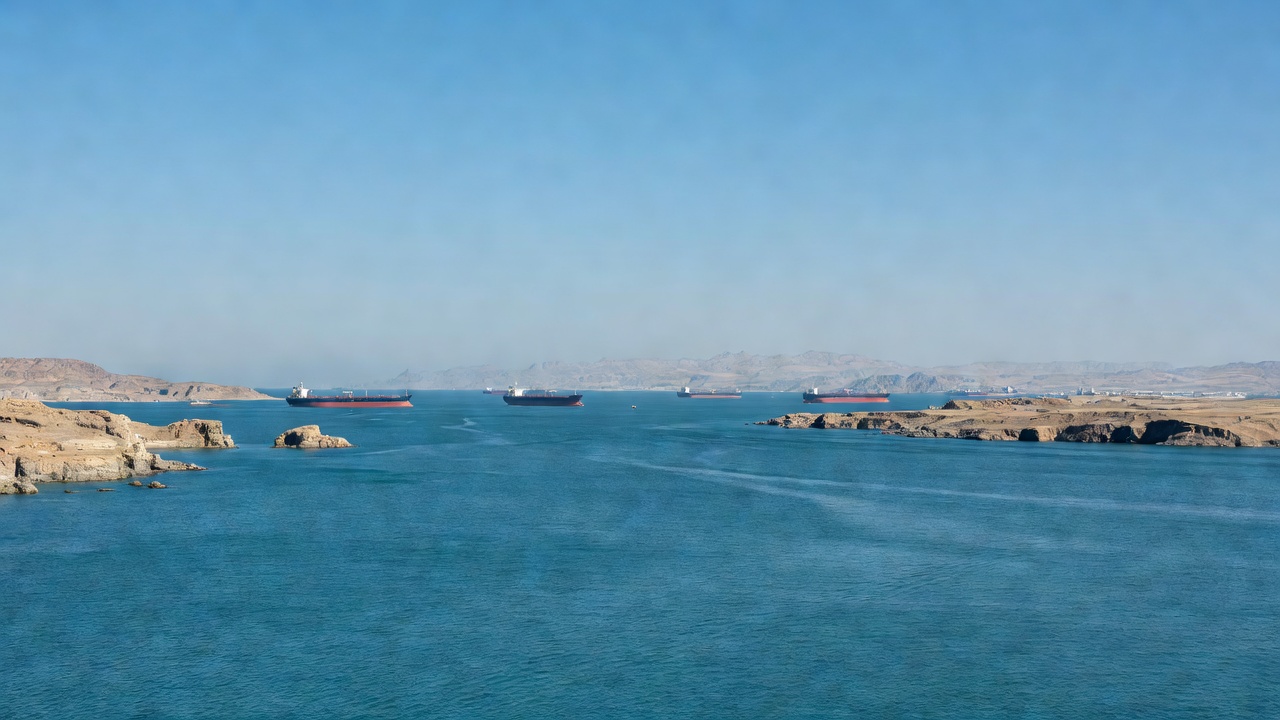
Iranian Foreign Ministry spokesman Esmaeil Baqaei announced that Tehran and Muscat have agreed on the geographical coordinates for the proposed shipping route through the Strait of Hormuz with a joint statement now in the final drafting stage. Baqaei told state media that the arrangement would respect the sovereign rights of both nations while addressing their respective national security considerations. According to Baqaei the route is designed as a temporary measure that could remain operational for between two and four months. Regional officials cited by The Associated Press described the framework under which inbound vessels would transit Iranian-controlled waters while outbound traffic would use a corridor managed by Oman.
The US Energy Information Administration data shows that flows through the Strait of Hormuz averaged 20 million barrels per day in 2024 equivalent to about 20 percent of global petroleum liquids consumption. The International Energy Agency has reported that the waterway carried around one-quarter of the world’s seaborne oil trade in 2025 with the majority destined for Asian markets. These figures highlight the strait’s enduring role in global energy supply even as traffic has dwindled sharply in recent months. Iranian Deputy Foreign Minister Kazem Gharibabadi has noted that the temporary nature of the route does not on its own ensure safe navigation given continued external pressures.
The strait has seen severely reduced commercial traffic since Iran imposed restrictions following US and Israeli strikes in late February 2026 according to accounts compiled across multiple outlets including the BBC and The New York Times. A June 2026 memorandum of understanding between Iran and the United States that sought to reopen the passage and establish a 60-day ceasefire framework collapsed shortly after signing Reuters reported at the time. US President Donald Trump subsequently warned that Iran would face further consequences if the waterway remained closed and has indicated that additional details on the current talks could emerge within days ABC News reported on August 5.
Oman has served as a key intermediary in the diplomatic process presenting proposals for split corridors and voluntary fees that Gulf states supported a Reuters dispatch from late July detailed. Iranian officials countered with their own plan emphasising management of the northern corridor while allowing Oman oversight of part of the southern lane according to statements carried by Al Jazeera. The current round of talks accelerated in recent weeks building on initial discussions that began in April 2026 as both sides sought to address security and environmental concerns in the waterway.
Any final agreement is expected to include service fees for security and maritime preservation with proceeds potentially divided between Iran and Oman two regional officials told The Associated Press on condition of anonymity. The officials added that implementation remains tied to the lifting of the US naval blockade on Iranian ports a condition repeatedly emphasised by Tehran. Iranian Foreign Minister Abbas Araghchi has described the negotiations as on track for finalisation in briefings to the Iranian cabinet Al Jazeera reported earlier this week.