ع
ع


The Greek fire service reported that the two helicopters collided while battling a wildfire in the Psatha area of the Viotia region, approximately 65 kilometres west of Athens on the Attica-Boeotia border. One aircraft burst into flames after its rotors struck the other and plunged into a ravine, while the second helicopter managed an emergency landing in an area of low vegetation. Rescue teams located both crews shortly after the crash on Sunday afternoon, with the two fatalities pronounced dead at the scene and the survivors transferred to hospital for observation.
According to officials, the deceased were a Danish national serving as pilot and a Greek liaison officer, whereas the injured pair consisted of a British pilot contracted privately for the fire season and a Greek coordinator. The British pilot was not participating in any formal exchange programme between the United Kingdom and Greece, the civil protection ministry clarified. Both survivors remained conscious throughout the ordeal and suffered only light wounds requiring 24 hours of hospital observation.
Prime Minister Kyriakos Mitsotakis conveyed his deepest sorrow over the incident in a post on X, stating the loss of the Greek coordinator and Danish pilot fills us all with grief while offering condolences to the families of the victims. In a statement, McDermott Aviation, the Australian company that leased the Bell helicopters to Greece, expressed its thoughts and deepest condolences to the families, friends and colleagues of those affected while confirming full cooperation with the ongoing investigation. The company has provided aerial firefighting support in Greece for the past seven years as part of a fleet of 15 aircraft, France 24 reported.
All Bell helicopters involved in the national firefighting effort have since been grounded as a precautionary measure, a civil protection ministry source indicated. The collision occurred amid efforts to contain a large blaze that had already forced multiple evacuations and burned through significant forest and farmland. Reuters reported that gale-force winds had exacerbated the fire risk across Attica, Boeotia and Evia on that Sunday, prompting warnings of extreme danger.
More than 500 firefighters, supported by additional aerial assets including Erickson Air-Crane, Chinook and Canadair planes, had been combating the Attica-Boeotia wildfire for over 72 hours prior to the accident, eKathimerini reported. Authorities had ordered evacuations from several nearby towns including Agia Paraskevi, Kryo Pigadi and Agios Nektarios as the fire spread toward populated zones. The incident highlights the hazards faced by aviation crews during such intensified operations in challenging terrain and weather.
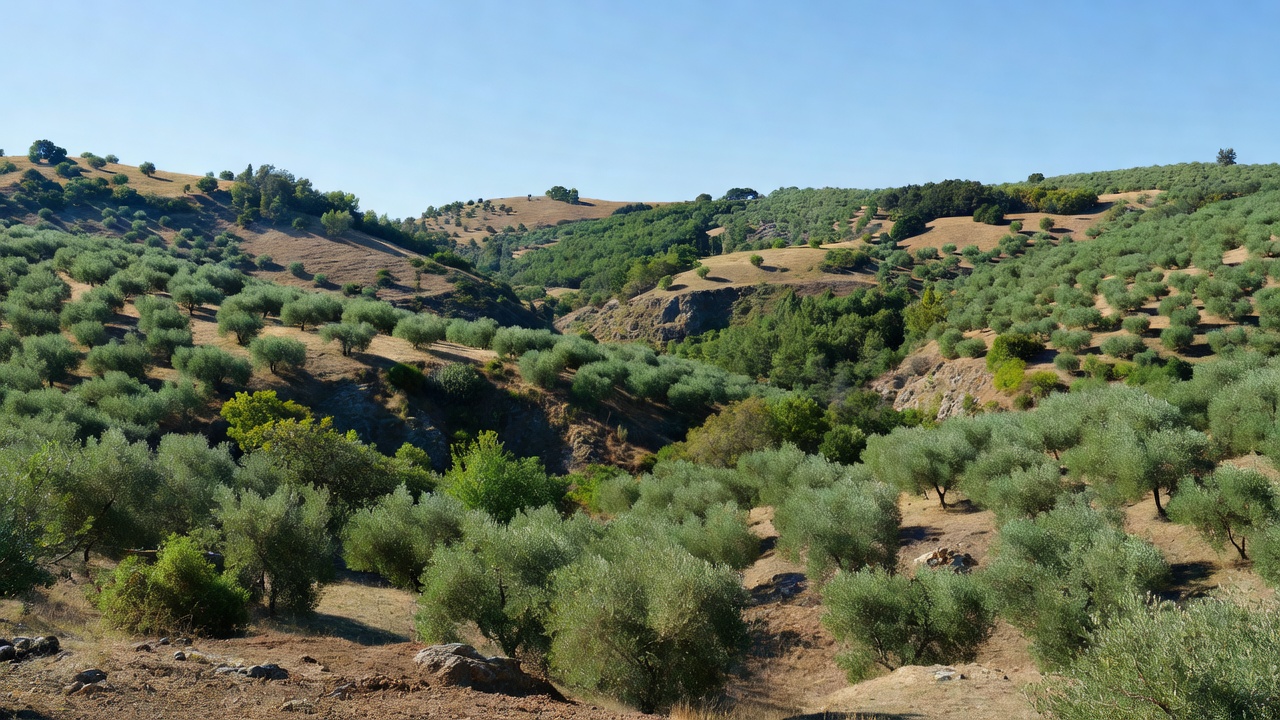
Current Wildfires monitoring figures place the total area burned across Greece in 2026 at 21,116 hectares to date, a level 58 percent below the 20-year average even as this particular fire contributed to localised losses of olive groves and residential zones. The 2026 season had seen a period of relative calm before recent outbreaks driven by extreme weather, according to data compiled by the European Forest Fire Information System through late July. Multiple blazes have also challenged responders in France and Spain over the same period, with strong winds complicating containment efforts across southern Europe.