ع
ع


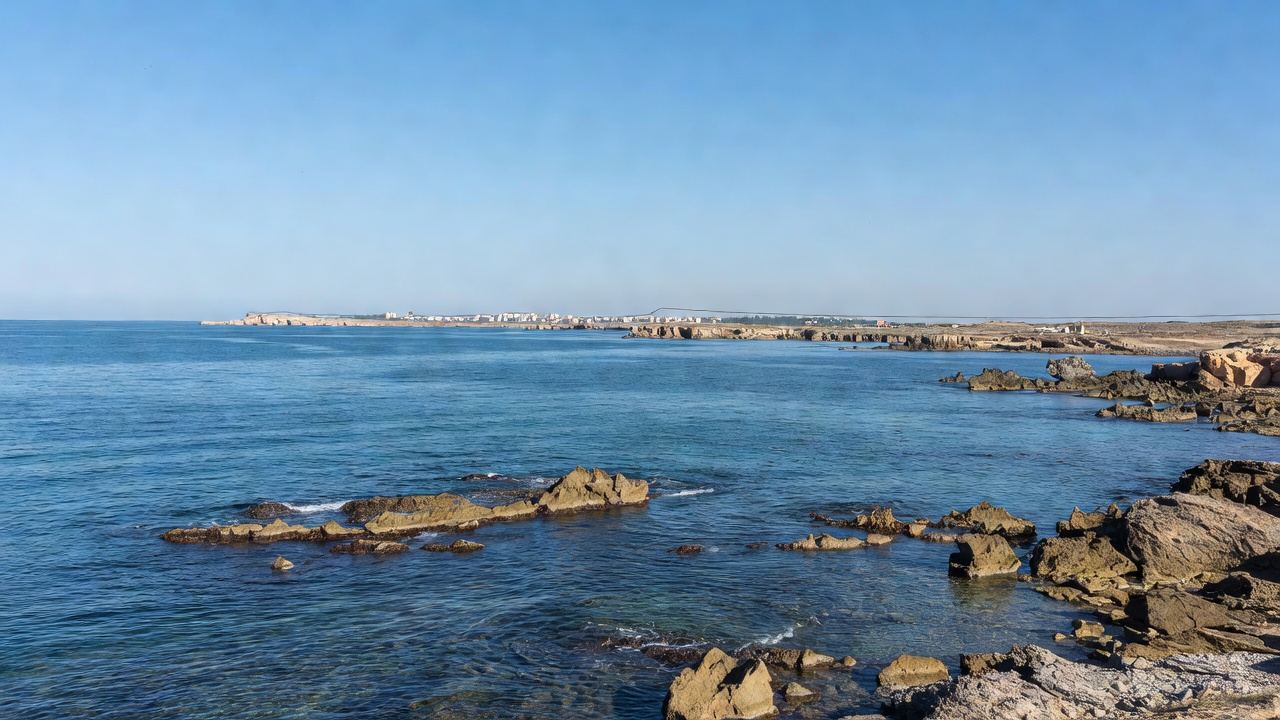
The Spanish Interior Ministry placed the number of migrants who crossed into Ceuta since Thursday morning at close to 50,000, while the BBC reported an estimate of about 60,000 people entering the enclave on July 30 by swimming with inflatable devices or running through a gate in the border fence. A New York Times dispatch noted that a working estimate for those who had crossed reached into the tens of thousands though the precise total could not be immediately confirmed. Officials stated that almost all those who reached Ceuta were sent back to Morocco in a coordinated operation.
Spain’s Interior Minister Fernando Grande-Marlaska said on Saturday that the death toll from the crossings had risen to at least 67, according to the BBC report on the incident. The minister’s update came as emergency services worked along the coastline and border area where many had attempted the journey. At least 18 deaths were separately noted in initial accounts from a government spokesman cited by the New York Times.
Police installed a 500-metre floating barrier in the waters off Ceuta on Saturday as groups of migrants were escorted back toward the Moroccan side of the frontier, the BBC footage showed. The interior ministry later updated that more than 48,300 of those who had entered had already been returned, according to a Time magazine article that tracked the official figures. The rapid repatriations followed established procedures between Spanish and Moroccan authorities for managing such crossings.
Ceuta, a six-mile-long peninsula on Morocco’s northern coast governed by Spain for centuries, has served as a longstanding entry point for migrants seeking to reach Europe, a fact highlighted in both the New York Times and Time coverage of the latest events. In May 2021, nearly 8,000 people crossed into Ceuta over two days amid a diplomatic dispute between Spain and Morocco over Western Sahara, according to historical accounts referenced in the Time report. A similar tragedy occurred in 2022 at Melilla, Spain’s other North African enclave, where at least 23 migrants died in a stampede during an attempted mass crossing, the New York Times recalled.
Interior Ministry statistics show that irregular migrant arrivals across Spain fell from 17,990 in the first six months of 2025 to 12,138 in the same period of 2026, yet land arrivals specifically in Ceuta rose 164 percent to 2,582 from 978 a year earlier. Frontex and UNHCR data compiled through April 2026 indicated that arrivals by sea and land continued to reflect varied national origins, with significant shares from Morocco, Algeria and sub-Saharan countries such as Mali. The Ceuta surge therefore stands in contrast to the broader downward trend recorded for the Spanish mainland.
Ceuta president Juan Jesús Vivas told a broadcaster that the scale of the influx felt equivalent to a million people entering Spain irregularly, according to the Time article. Local authorities have expressed concern over the strain on resources in the enclave, which measures only a small territory. The interior ministry continues to monitor border security measures in coordination with Moroccan counterparts following the July events.