ع
ع


Kumamoto prefectural government figures placed the death toll at 13 with more than 380 people injured following the 6.8-magnitude earthquake that struck southern Japan at 16:27 local time on July 28. Prime Minister Sanae Takaichi put 4,600 personnel on the ground and warned that emergency services faced a race against time to free dozens believed trapped inside the collapsed Aeon shopping mall in Kashima Town where three victims died. The shallow tremor also triggered fires, damaged major highways and led to the lifting of a tsunami advisory for coastal areas after initial alerts, according to the Japan Meteorological Agency.
Hiroko Ogata told BBC News she had just entered her diner in Yatsushiro when the violent shaking began, forcing her to take cover under a table that slid back and forth across the floor. The 75-year-old, who has spent her entire life in the prefecture, said she had never felt a jolt of that intensity despite the region’s history of seismic activity. “I was surprised, and scared,” Ogata told BBC News. “I went under one of the tables right away, but the table moved sharply towards the right, left, right, left, with me.” The veteran resident added that the tremor far exceeded anything from the 2016 events, stating “the last quake 10 years ago was nothing like this one” and “I thought I would die.”
A cake shop employee identified only as Yui described holding onto her chair in the back office as one powerful jolt followed another a few hundred metres from the mall. “I couldn’t tell which was the sound of the earthquake and which was the sound of the explosion,” she told the BBC. “I didn’t know what to feel; I couldn’t even feel scared in such a situation. Even now I don’t know what to feel, and I don’t know how to explain.” The business stayed shuttered while she evaluated whether essential equipment like ovens had survived the ordeal intact, she added in her account to the broadcaster.
Michal Posan, who has resided in Kumamoto for two years, told the BBC her television toppled onto her as the mirror in her home smashed and nearby roads buckled. She observed that stores had run out of water and food, prompting her to assemble evacuation bags in response to the persistent aftershocks. Government data indicated some 40,000 homes lost electricity in the immediate aftermath while water supplies were also interrupted for many residents and at least 45 medical facilities sustained damage.
The Japan Meteorological Agency documented more than 30 aftershocks within the first two hours after the main shock, leading expert Shinji Kiyomoto to call on residents to stay alert for the possibility of further significant tremors. He drew parallels to the 2016 Kumamoto earthquakes, which according to official tallies claimed 277 lives after a similar pattern of successive major events days apart. The agency continues to monitor the active fault system running through the prefecture where the latest quake was centred at a shallow depth of 10 kilometres.
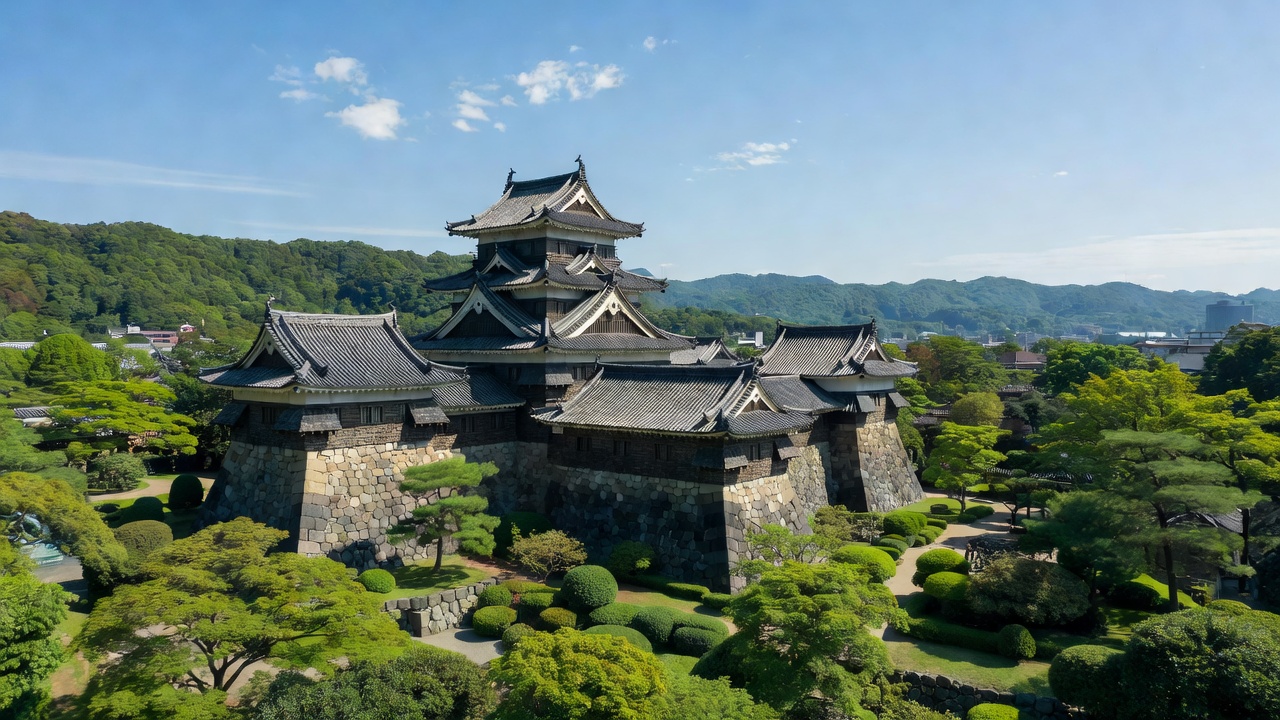
The exterior walls of the historic Kumamoto Castle crumbled in a cloud of dust while the worship hall at the 19th-century Yatsushiro Shrine was reduced to rubble, according to local assessments. US Geological Survey data revised the preliminary magnitude from 7.1 to 6.8 even as the event lasted around 16 seconds and produced intense shaking across multiple towns in the prefecture. Recovery efforts will likely extend for weeks as officials tally the full scope of destruction to critical transport links, commercial properties and residential areas across southern Japan.