ع
ع


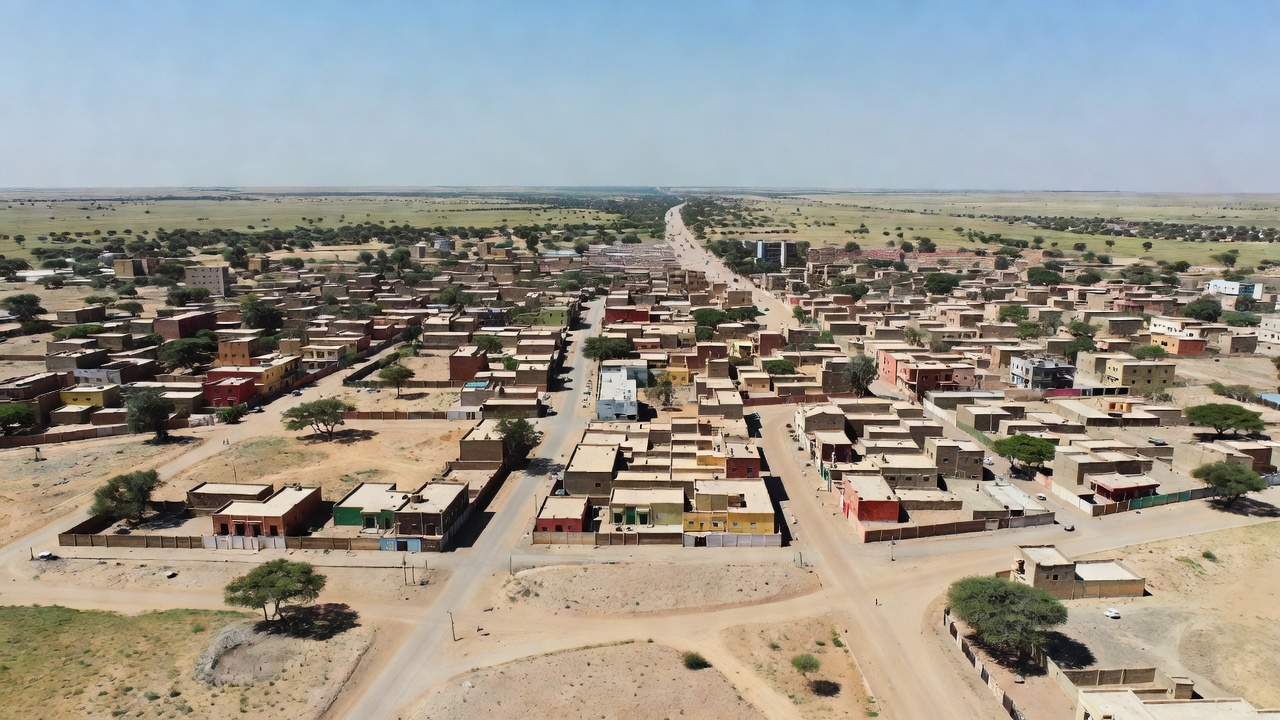
Rapid Support Forces fighters have moved to within about 40 kilometres of el-Obeid after issuing vows to liberate the city in verified footage from the nearby stronghold of Nyala, according to a BBC News review. Sudanese Armed Forces units responded by building a defensive berm around parts of the urban area and reinforcing control over the highway to Khartoum. The developments have raised tensions inside the city, where residents have reported suspicions of infiltrators linked to the paramilitary group.
The International Organisation for Migration stated that families in el-Obeid have run out of safe options to protect themselves as the paramilitaries prepare an assault. “Families have run out of safe options to protect themselves,” Mohamed Refaat, IOM chief of mission in Sudan, said. Cutting of supply routes by the RSF has produced what officials described as a functional siege, worsening acute food shortages for nearly 400,000 people living in the surrounding districts.
More than 15 million people have been displaced inside Sudan or across its borders since the conflict began in April 2023, representing nearly one in three of the population, according to an IOM report issued in January. The organisation’s latest assessment placed the number of people remaining internally displaced at around 9.3 million, even as some fragile returns have occurred to areas still lacking basic services. Displacement incidents across the Kordofan states have risen sharply, with more than 219,000 new cases recorded since October following a surge that intensified in February.
Concerns over potential mass killings in el-Obeid parallel events in el-Fasher, where a UN Independent International Fact-Finding Mission concluded that RSF actions in late October 2025 displayed hallmarks of genocide against the Fur and Zaghawa communities. The mission documented at least 6,000 killings in the immediate aftermath of the city’s takeover, while noting the overall death toll from the week-long offensive was undoubtedly higher. Its February 2026 report detailed an 18-month siege that deliberately restricted food, water and medical aid in addition to widespread sexual violence and enforced disappearances.
G7 members and the European Union have publicly warned both the Sudanese Armed Forces and the Rapid Support Forces against actions that could lead to further civilian harm. A UN human rights assessment highlighted the mounting risk of escalation in North Kordofan as the war moves through its fourth year. UN High Commissioner for Human Rights Volker Türk has voiced particular alarm at the increasing internal strains reported from within el-Obeid itself.
Drone strikes targeted the city and its key infrastructure during June and July, including an attack that triggered a major explosion at a fuel station, BBC Verify reported. Prior to the latest threats el-Obeid had functioned as a primary refuge for civilians fleeing clashes across Darfur, the Blue Nile region and White Nile state. Local activist Nohad Eltayeb described how the urban centre had absorbed wave after wave of arrivals before the current encirclement began to tighten.