ع
ع


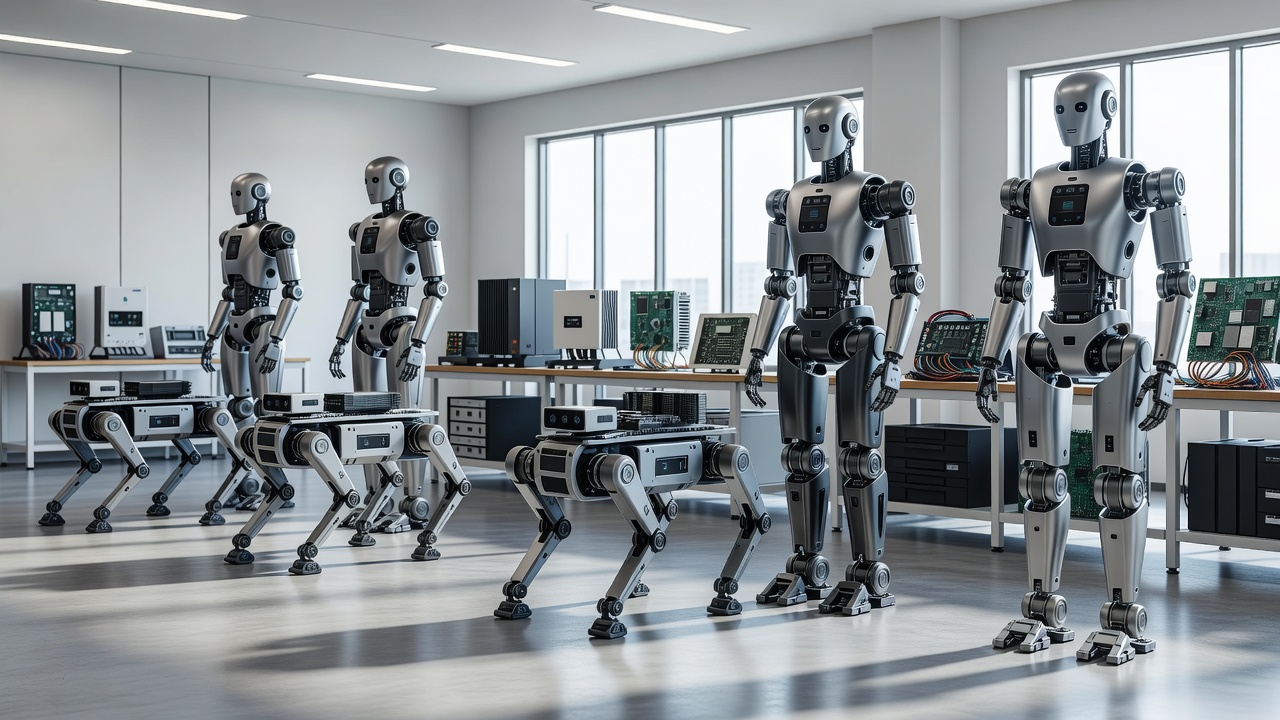
The Federal Communications Commission added advanced robotic devices and power inverters to its Covered List following national security determinations, according to an FCC public notice released on July 28. The restrictions bar new foreign-made humanoid and quadruped robots, many produced in China, from receiving the equipment authorization required for U.S. sales. FCC Chairman Brendan Carr welcomed the decision as a step toward securing America’s critical supply chains, Reuters reported.
Potential exploitation of the devices for surveillance of Americans, data theft or remote commandeering by foreign actors drove the action, an FCC assessment found. The measures apply only to new models and leave previously authorized equipment unaffected. Officials cited similar vulnerabilities in connected power inverters used within data centers and renewable energy systems.
According to IEEE Spectrum, the ban extends a series of U.S. efforts to decouple sensitive technologies from Chinese supply chains that previously targeted foreign routers, drones and telecom hardware. In March 2026 senators Tom Cotton and Chuck Schumer introduced the American Security Robotics Act to prohibit federal government purchase or use of Chinese-made ground robots. Lawmakers followed with the GUARD Act in June directing national security reviews of adversary-produced humanoid and quadruped machines.
Chinese companies shipped roughly 80 percent of the world’s humanoid robots in 2025 while the domestic robotics market reached 14.2 billion dollars in 2026, a 47 percent annual increase, a Robotics Center analysis indicated. Morgan Stanley projected China’s humanoid robot segment would expand from 2 billion dollars this year to 15 billion dollars by 2030 with annual shipments rising to 446,000 units. The forecasts underscore China’s rapid scaling in the sector amid intensifying U.S.-China technology competition.
Manufacturers such as Unitree, UBTech and AgiBot have marketed advanced humanoid models for factory and household applications ahead of some American counterparts, CNBC figures show. Tesla has stated its Optimus robot will not reach public sales until the end of 2027, while firms including Boston Dynamics and Agility Robotics maintain domestic development programs. The FCC contacted the named Chinese producers and the Chinese embassy in Washington for comment on the restrictions.
The Chinese government characterized its AI and robotics progress as the outcome of domestic dedication combined with international cooperation, according to statements carried by multiple outlets. U.S. Treasury Secretary Scott Bessent earlier cautioned that Chinese AI companies could encounter sanctions over alleged intellectual property theft. The latest prohibitions arrive against the backdrop of 100 percent U.S. tariffs on Chinese electric vehicles and ongoing trade imbalance concerns.