ع
ع


US Central Command reported that Iran launched multiple ballistic missiles toward American positions in the Middle East at 17:45 EDT on July 28 with all projectiles successfully intercepted and no locations of potential targets disclosed in the announcement. The command described the incident as an attempted surprise attack that prompted immediate retaliatory action against sites associated with Iranian proxies. Saudi Arabian forces participated in the response which Centcom framed as a direct counter to recent aerial threats.
A Pentagon statement distributed through Centcom detailed strikes on multiple terrorist logistics and weapons sites in eastern Iraq which it linked to more than 30 drones directed by Iran’s Islamic Revolutionary Guard Corps over the preceding 72 hours. Major General Turki al-Maliki the Saudi defence ministry spokesman separately confirmed that his country’s air defences had destroyed drones aimed at petroleum facilities in the kingdom’s eastern province attributing the launch to Iran-affiliated militia groups operating from Iraqi territory. Centcom warned that Iran’s military and its proxies must halt such actions to prevent additional American responses according to the July 29 briefing.
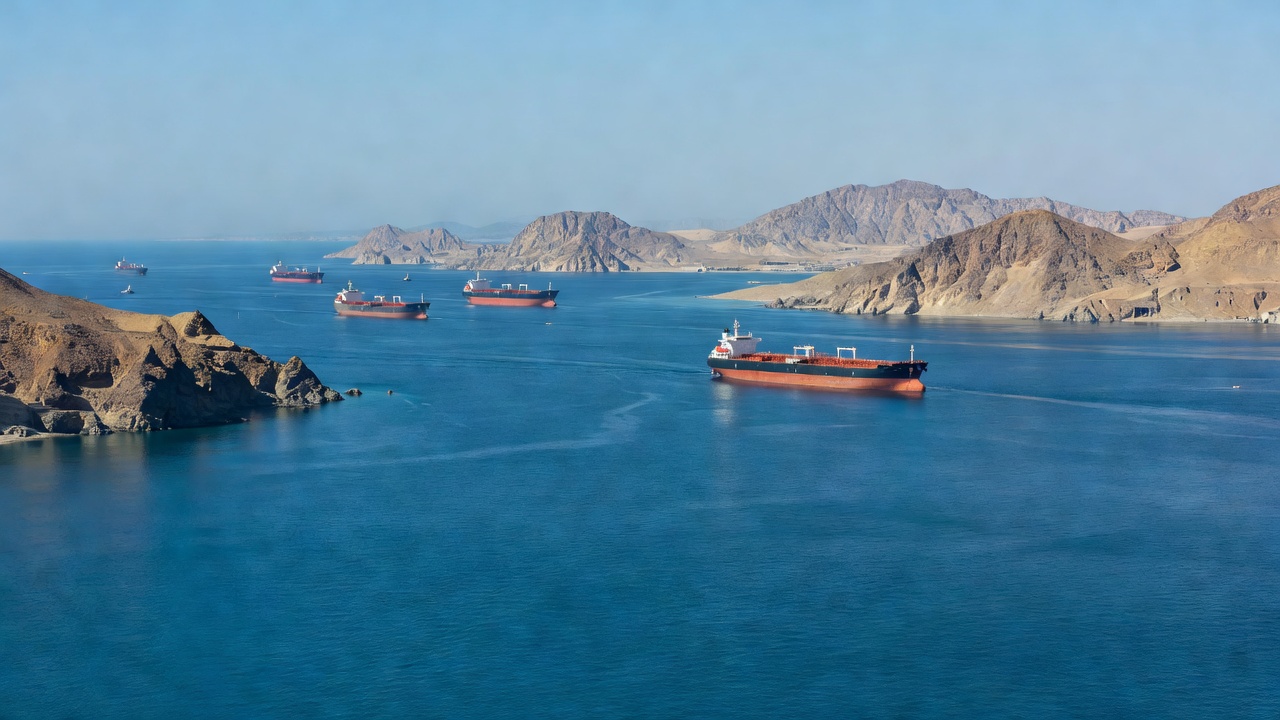
The exchange came one day after President Donald Trump had publicly referenced very friendly negotiations with Iran at a moment when the two sides had avoided direct strikes for three consecutive days Reuters reported in coverage of the diplomatic track. Access to and control of the Strait of Hormuz has emerged as a central obstacle in those discussions which Iranian officials have at times denied are under way a Reuters dispatch from mid-July noted amid Omani-mediated contacts on safe maritime passage. Previous cease-fire extensions had aimed to reopen the waterway for global energy shipments before fresh violations interrupted the process.
Fox News reporting on the pause in operations two days prior to the latest incident highlighted how technical and political talks had resumed with Qatari and Pakistani involvement to stabilise the Strait of Hormuz corridor after 13 days without nightly strikes. An Axios account from June described an earlier 60-day cease-fire framework that included lifting a US naval blockade and removing mines to permit oil flows through the strait with nuclear issues deferred for later rounds. Those arrangements had produced a measurable drop in hostilities until the recent drone and missile activity according to the accumulated timelines.
Israeli Prime Minister Benjamin Netanyahu’s concurrent visit to Washington which included a meeting with Trump at the White House and attendance at the funeral of Senator Lindsey Graham coincided with the renewed firing a BBC compilation of events indicated. Graham had long advocated firm policy toward Iran lending additional context to the timing of the discussions. The developments underscored the intersection of regional military pressures and high-level diplomacy.
Pentagon data compiled through the Defense Casualty Analysis System and reported across multiple outlets placed the total number of US service members wounded since strikes against Iran began in February at 624 with 417 of those injuries tied directly to Operation Epic Fury the joint US-Israeli campaign. Earlier Military Times dispatches from April had recorded 13 deaths and 381 wounded in the opening phase of that operation before subsequent updates revised and expanded the aggregate figures. The latest tallies reflect sustained engagements involving both direct strikes and proxy actions across the theatre.